

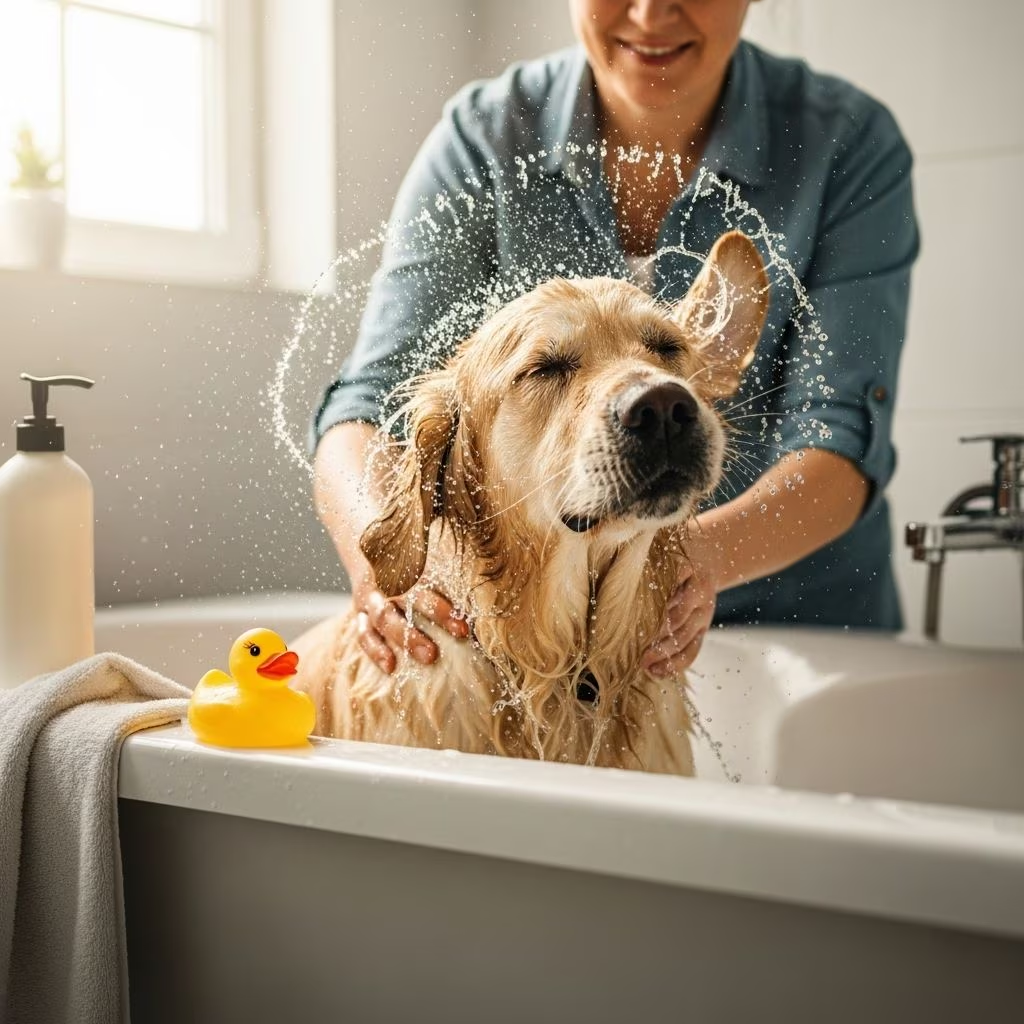
Bathing your dog is an essential part of maintaining their health and hygiene, but it requires careful preparation to avoid stress or injury. Proper techniques ensure a clean coat while keeping the experience positive for your pet.
Why Regular Baths Matter for Your Dog’s Well-Being
Dogs accumulate dirt, oils, and allergens on their skin and fur through daily activities, which can lead to irritation or infections if not addressed. Regular bathing distributes natural oils evenly, promotes a shiny coat, and reduces shedding around the home. The American Society for the Prevention of Cruelty to Animals (ASPCA) emphasizes that brushing and bathing help keep a dog’s hair in optimal condition by removing debris and stimulating skin health.
Frequency depends on breed, lifestyle, and coat type. Short-haired dogs might need baths every 4-6 weeks, while long-haired or active outdoor pups benefit from more frequent sessions. Overbathing strips essential oils, causing dryness, so balance is key.
Assessing Your Dog’s Readiness for a Bath
Before starting, evaluate your dog’s physical and emotional state to prevent accidents. Inspect the coat for mats, fleas, or wounds—matted fur close to the skin increases cut risks during grooming. Check ears, paws, and eyes for irritation. If you notice lumps, bumps, or unusual growths, consult a veterinarian first, as airflow during drying can highlight these issues.
Observe behavior: flattened ears, trembling, or growling signal stress. For first-time owners, introduce grooming gradually to build tolerance. Puppies and anxious dogs respond best to short, positive sessions.
Essential Tools and Products for a Successful Bath
Invest in quality equipment designed for pet safety. A sturdy grooming table with non-slip surface and adjustable arm secures the dog, preventing slips. Use rounded-tip scissors and sharp clippers to avoid snags or pulls.
- Shampoo and Conditioner: Opt for pH-balanced, hypoallergenic formulas for dogs—human products can harm skin.
- Brushes and Combs: Match to coat type; slicker brushes for long fur, rubber for short.
- Towels and Dryers: Absorbent microfiber towels and low-heat pet dryers prevent chilling.
- Restraints: Quick-release nooses or harnesses for stability without panic.
Clean tools with disinfectants between uses to avoid infections. A first-aid kit with bandages and antiseptic is vital for minor incidents.
Creating a Calm and Secure Bathing Environment
Set up in a warm, quiet space with good ventilation to avoid overheating. Non-slip mats on floors reduce slip risks, common in wet areas. Organize tools to prevent clutter—store sharp items safely.
Play soft music or use pheromone diffusers to soothe nerves. Secure doors to contain escapes. Temperature control is crucial: water at 38-39°C (100-102°F) feels comfortable without scalding.
Step-by-Step Guide to Bathing Your Dog
- Pre-Bath Brush-Out: Remove loose fur and tangles to ensure shampoo penetrates evenly. This prevents matting and eases rinsing.
- Wet Thoroughly: Use lukewarm water from neck down, avoiding the head initially. A handheld sprayer targets hard-to-reach spots.
- Apply Shampoo: Lather generously, massaging into skin for 2-3 minutes. Focus on belly, paws, and tail—dirty hotspots.
- Rinse Completely: Residual soap irritates skin; rinse until water runs clear, taking 5-10 minutes.
- Condition and Rinse Again: Detangles fur and soothes skin. Avoid eyes and ears.
- Initial Towel Dry: Gently pat—never rub—to absorb water without tangling.
For the head, use a damp cloth or face-specific wipes to prevent water in eyes or ears, which can cause ulcers.
Advanced Techniques for Challenging Dogs
| Breed/Coat Type | Recommended Approach | Potential Issues |
|---|---|---|
| Double-Coated (e.g., Huskies) | Minimal bathing; focus on brushing | Overbathing damages insulation |
| Long-Haired (e.g., Spaniels) | Sectional washing, detangling conditioner | Matting in armpits/legs |
| Short-Haired (e.g., Labs) | Quick full-body rinse | Excess shedding |
| Anxious/Small Breeds | Slipping, fear responses |
For fidgety dogs, use gentle restraints and frequent praise. Take breaks if stress signs appear—panting or avoidance. Professional tables with arms help.
Drying Methods to Prevent Skin Problems
Air drying suits some breeds but risks chills or hotspots in others. Use pet dryers on low speed, keeping 15cm away to avoid burns. Brush while drying to fluff fur and check skin.
Prevent clipper burn (irritation from dull blades or dirty fur) by using sharp, clean tools on prepped coats. Watch for brush burn on bony areas like hips—vary strokes.
Post-Bath Care and Maintenance
Apply leave-in conditioner for moisture. Trim nails if overgrown, using proper techniques to avoid quick injury. Schedule follow-ups based on needs.
Monitor for reactions: redness or itching warrants vet attention. Positive reinforcement with treats builds association with bath time.
Frequently Asked Questions (FAQs)
How often should I bathe my dog?
Every 4-8 weeks, adjusted for activity and coat. Consult breed-specific guidelines.
Can I use human shampoo on my dog?
No—it’s too harsh and disrupts pH balance, risking dermatitis.
What if my dog hates water?
Desensitize with play in shallow water, using treats and short sessions.
Is a grooming table necessary for home baths?
Not essential but highly recommended for safety and control.
How do I handle fleas during bath time?
Use flea shampoo, but treat infestations professionally first.
Safety Pitfalls to Avoid During Bathing
- Dull Tools: Cause pulls or irritation—sharpen regularly.
- Overheating Equipment: Oil clippers; use cool settings.
- Ignoring Stress: Pause at growls or shakes.
- Slippery Surfaces: Mats everywhere.
- Eye Contact with Soap: Rinse immediately; seek vet if red.
Maintain hygiene: disinfect post-use.
References
- Dog Grooming Safety Tips — Clipit Grooming. 2023. https://www.clipit-grooming.com/post/dog-grooming-safety-tips
- Pet Grooming Safety: Tips for First-Time Pet Owners — Kanis Grooming. 2023. https://www.kanis-grooming.com/blogs/kanis-grooming-blog-2/pet-grooming-safety-tips-for-first-time-pet-owners
- 7 Safety Tips Every Dog Groomer Should Know — PetEdge. 2023. https://www.petedge.com/blog/seven-safety-tips/
- The ABCs of Groomer Safety — The Daily Groomer. 2023. https://www.thedailygroomer.com/blog/the-abcs-of-groomer-safety-a-guide-to-ensuring-a-safe-working-environment
- Safety Considerations for Pet Groomers — Gingr. 2023. https://www.gingrapp.com/blog/safety-considerations-for-pet-groomers
- Grooming A Dog Without Injury — Merryfield Academy. 2023. https://www.merryfield.edu/blog/pet-grooming/grooming-a-dog-without-injury/
- Dog Grooming Tips — ASPCA. 2024-02-17. https://www.aspca.org/pet-care/dog-care/dog-grooming-tips



