Mastering Crate Training for Great Danes
Unlock the secrets to successful crate training for your Great Dane puppy with proven, gentle methods that build confidence and security.
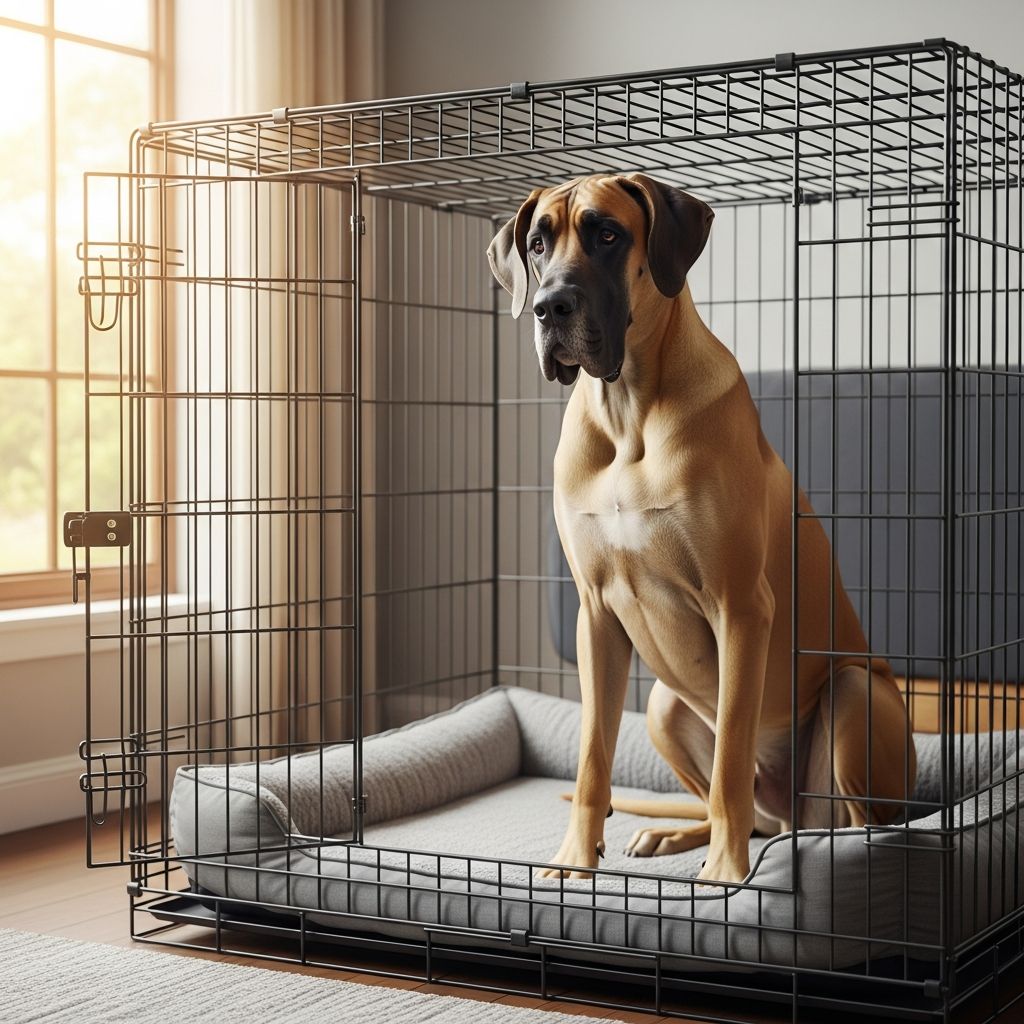
Great Danes, with their towering stature and gentle dispositions, require thoughtful approaches to training that account for their unique physical and emotional needs. Crate training stands out as a foundational skill that promotes housebreaking, curbs destructive behaviors, and fosters independence. When done correctly, it transforms the crate into a cozy sanctuary rather than a confinement space, helping these massive pups adapt to alone time without stress.
Why Crate Training Matters for Giant Breeds Like Great Danes
These majestic dogs often grapple with separation anxiety due to their strong pack-oriented nature. A properly introduced crate mimics their ancestral den, offering a secure retreat amid household bustle. For Great Danes, who can reach up to 200 pounds, crate training prevents mishaps like furniture damage during teething or anxious episodes. It also accelerates potty training by leveraging their instinct to keep sleeping areas clean, reducing accidents in homes with limited space.
Owners report fewer behavioral issues when crating is integrated early. Puppies learn self-soothing, vital for breeds prone to vocalizing or pacing when isolated. Consistency builds trust, ensuring the dog views the crate positively long-term.
Selecting the Perfect Crate for Your Great Dane
Size is paramount for Great Danes. The crate must allow standing, turning around, and lying down stretched out, but avoid excess room that encourages soiling one end. For adults, opt for extra-large models measuring at least 48x30x33 inches; puppies may start smaller with dividers for growth adjustment.
- Wire crates: Provide ventilation and visibility, ideal for airflow in warm climates.
- Plastic kennels: Offer den-like enclosure for security, suited for travel.
- Soft-sided options: Lightweight but less durable for heavy chewers.
Placement influences success: position in a family area for initial familiarity, then vary locations to prevent location-specific anxiety. Cover three sides with a breathable blanket to enhance the den effect, and include plush bedding resistant to chewing.
Building Positive Associations from Day One
Begin with the crate door open in a quiet, traffic-free spot. Entice entry using high-value treats tossed inside, praising lavishly upon approach. Repeat until voluntary visits occur, rewarding calm settling without forcing closure. This phase establishes the crate as rewarding, countering any innate wariness.
Progress to feeding meals inside: place the bowl at the back, gradually shutting the door briefly post-meal before release. Incorporate toys like frozen-stuffed Kongs to extend stay times, associating solitude with enrichment. Patience prevents overwhelm; sessions should end on high notes.
Step-by-Step Crate Training Progression
Follow this structured timeline, advancing only upon mastery of prior steps. Sessions last 5-15 minutes, multiple times daily.
- Week 1: Introduction – Open-door luring with treats; aim for 10 self-initiated entries daily.
- Week 2: Door Management – Introduce cue like “kennel up”; close door for 1-5 seconds, immediate release with praise.
- Week 3: Short Absences – Latch door, step away 10-30 seconds; return calmly, no fanfare.
- Week 4+: Duration Build – Extend to minutes, then hours during naps; use baby gates for room confinement post-crate.
Monitor via camera for stress signals like whining or pawing; regress if needed. Great Danes respond best to positive reinforcement, thriving on repetition and rewards.
Overcoming Common Hurdles in Great Dane Crate Training
| Challenge | Symptoms | Solutions |
|---|---|---|
| Anxiety/Whining | Pacing, barking upon closure | Shorten sessions; desensitize door sounds; ignore attention-seeking cries. |
| Refusal to Enter | Hesitation at threshold | Lower entry treats; hand-feed inside; never push or punish. |
| Soiling Inside | Accidents despite clean instincts | Frequent potty breaks; smaller crate size; vet check for issues. |
| Escape Attempts | Scratching bars, bending door | Reinforce with clips; increase exercise pre-crating; consult trainer. |
For escape artists, upgrade to heavy-duty crates. Exercise needs amplify for Danes: 30-60 minute walks daily reduce pent-up energy fueling resistance.
Integrating Crate Use into Daily Routines
Crate post-potty, meals, play, and naps. Overnight, position bedside for reassurance, gradually moving farther. Alone time starts brief: 1-hour errands, building to 4-6 hours max for adults. Vary routines to avoid patterns signaling departures, like leash grabs.
Potty training synergy: Crate immediately after triggers (eating, waking), rushing outside for success rewards. Within weeks, patterns solidify, granting supervised freedom.
Advanced Techniques for Long-Term Success
Incorporate crate games: hide treats for discovery, fetch balls inside. Teach “place” for voluntary settling during guests. Rotate toys weekly to maintain novelty. For travel, practice car crating with short drives.
Transition adults by repeating puppy steps, emphasizing calm entries. Senior Danes benefit from crates for joint relief, padding with orthopedic mats.
Frequently Asked Questions
How long can a Great Dane stay crated?
Puppies: 2-4 hours max daytime; adults: up to 6-8 hours with midday breaks. Always prioritize needs.
Is crate training cruel for large breeds?
No, when positive; it mirrors natural dens, preventing stress-induced issues.
What if my Dane cries in the crate?
Ensure needs met; stay silent, wait for quiet before release to extinguish behavior.
Can I crate multiple Danes together?
Only same-sex littermates; adults need individual crates to avoid fights.
How to crate train a rescue Great Dane?
Go slower, extra rewards; address trauma with professional help if severe fear.
Real Owner Experiences and Pro Tips
Many report full comfort in 4-6 weeks with consistency. One owner shared: gradual door closure prevented panic in their 10-week-old pup. Pros stress naked crating (no collars) to avoid strangulation risks and mixing routines for adaptability.
References
- How to Crate Train Your Dog in Nine Easy Steps — American Kennel Club. 2023-05-15. https://www.akc.org/expert-advice/training/how-to-crate-train-your-dog-in-9-easy-steps/
- Crate Training 101 — Dog Trick Academy Forum. 2022-08-10. https://www.dogtrickacademy.com/forum/threads/crate-training-101.2442/
- A Great Dane Owners Primer to Crates — Dayna King Great Danes. 2022-04-01. https://daynakingreatdanes.com/wp-content/uploads/2022/04/Crates-Article-Revised.pdf
- Crating As A Tool For Great Dane Training — Great Dane Dog Breed Store. 2021-11-20. https://www.great-dane-dog-breed-store.com/page_3.html
- Great Dane Crate Training — Great Dane Care (YouTube). 2019-03-10. https://www.youtube.com/watch?v=w502tmEn9D0
Similar Articles








Read full bio of medha deb