
Mastering Crate Training for Dogs
Unlock the full potential of crate training to create a secure, happy space for your dog while simplifying housebreaking and travel.
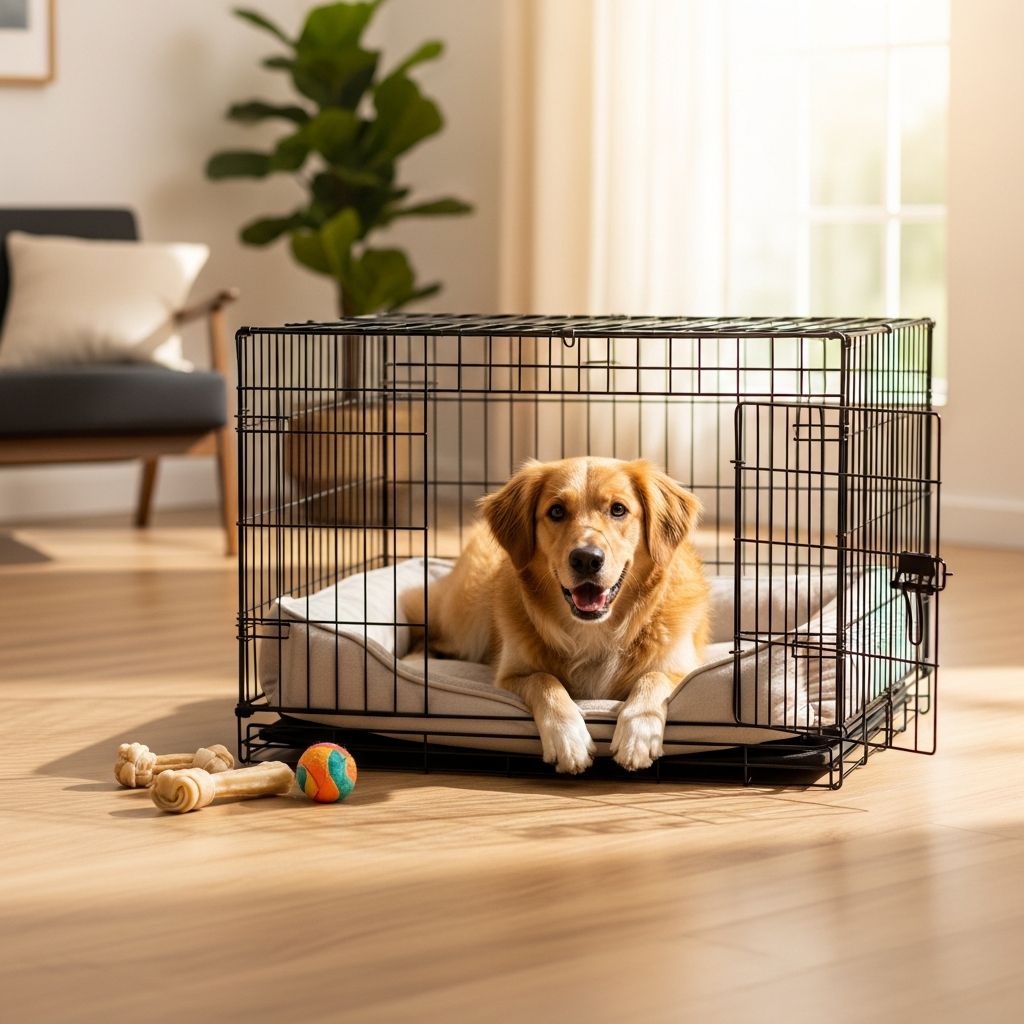
Crate training transforms a simple enclosure into a vital tool for enhancing your dog’s well-being, safety, and behavior. By introducing the crate thoughtfully, owners can foster independence, accelerate potty training, and prepare their pets for life’s challenges, from daily routines to unexpected emergencies.
Why Crate Training Matters for Modern Dog Owners
In today’s fast-paced world, dogs face numerous stressors like travel, household changes, and alone time. A well-trained crate offers a personal retreat, mimicking the natural den instinct where dogs feel protected and secure. Veterinarians and professional trainers universally endorse this method because it prevents destructive behaviors, supports recovery from injuries, and ensures compliance during evacuations or shelter stays.
For puppies, the crate reinforces bladder control since dogs instinctively avoid soiling their rest areas, making housebreaking efficient and mess-free. Adult and rescue dogs benefit similarly, gaining a predictable space to decompress amid anxiety triggers such as fireworks or new environments.
Essential Benefits Across Life Stages
- Housebreaking Efficiency: Confinement teaches puppies to hold elimination, establishing routines that lead to quicker success.
- Anxiety Management: Provides a calm retreat during storms, travel, or family gatherings, helping dogs self-soothe.
- Safety First: Prevents access to hazards like chemicals or chewing dangers when unsupervised.
- Travel Readiness: Secures dogs in vehicles or planes, reducing distractions and risks.
- Health Recovery: Ideal for post-surgery rest, limiting movement as prescribed by vets.
Rescue dogs, often from uncertain backgrounds, particularly thrive as the crate becomes their exclusive territory, building trust gradually. Hunting or active breeds stay comfortable during downtime, maintaining focus for tasks.
Selecting the Perfect Crate for Your Dog
Choose a crate size allowing your dog to stand, turn, and lie down comfortably without excess space that encourages accidents. Wire models offer visibility and airflow, while plastic kennels provide enclosure for den-like security. For multi-dog homes, individual crates prevent resource guarding during meals.
| Crate Type | Best For | Pros | Cons |
|---|---|---|---|
| Wire | Puppies, daily use | Breathable, foldable | Less private |
| Plastic | Travel, anxious dogs | Enclosed, secure | Heavier |
| Fabric | Portable needs | Lightweight | Less durable |
Enhance comfort with bedding that matches your dog’s preference—soft blankets for some, firm mats for others—and cover partially for a cozy feel.
Step-by-Step Guide to Positive Crate Introduction
Begin with the door open, allowing free exploration to build curiosity without pressure. Progress methodically to ensure lasting positivity.
- Initial Exposure (Days 1-3): Place the crate in a high-traffic area. Toss high-value treats inside sporadically, praising any interest. Let your dog enter and exit at will.
- Association Building (Days 4-7): Feed meals inside with the door open. Introduce long-lasting chews like stuffed Kongs exclusively in the crate to link it with rewards.
- Short Closures (Week 2): Once voluntary entry occurs, close the door for 1-5 minutes while visible. Reward calm behavior lavishly.
- Extended Sessions (Weeks 3+): Gradually increase time to 30 minutes, then hours, incorporating departures. Vary durations to prevent anticipation.
- Overnight Use: Puppies can hold for 2-3 hours initially; adults longer. Take out first thing for potty breaks.
Monitor body language: relaxed ears and yawning signal comfort; whining or pacing means slow down.
Overcoming Common Crate Training Hurdles
Resistance often stems from past negativity or improper sizing. If your dog barks excessively, wait for quiet before releasing to avoid reinforcing noise. For escape artists, check latches and add familiar scents like worn t-shirts.
- Separation Whining: Practice brief absences, returning before distress peaks. Use puzzle toys to occupy.
- Refusal to Enter: Lower entry threshold by dragging treats inward progressively.
- Accidents Inside: Ensure frequent potty walks; clean thoroughly to erase scents.
Adult dogs may need more time—patience yields a willing participant over forced compliance.
Integrating Crate Training into Daily Routines
Make the crate central: naps, meals, and downtime occur there. For working owners, limit to 4-6 hours max, with exercise before and after. Multi-pet households feed separately to promote peace. During guests or kids’ play, it’s a safe timeout spot.
Travel prep involves short car crate sessions building to highways. Airlines require crates; early habituation eases this.
Advanced Techniques for Long-Term Success
Once proficient, use ‘crate games’: hide-and-seek with toys inside to gamify entry. Rotate chews to maintain excitement. For anxious dogs, pair with calming aids like pheromone diffusers after vet approval.
Track progress in a journal: note durations, reactions, and triggers. Adjust based on breed—high-energy types need more enrichment.
Crate Training for Special Situations
Seniors: Larger, low-entry crates accommodate arthritis; soft ramps help.
Multi-Dog Homes: Label crates to avoid confusion; rotate supervision.
Post-Surgery: Vet-directed durations prevent reinjury.
Emergencies: Practice ‘kennel up’ cues for rapid compliance.
Frequently Asked Questions (FAQs)
How long can a puppy stay crated overnight?
Puppies under 6 months: 4-6 hours max. Adjust by age, with immediate morning potty.
Is crate training cruel?
No, when done positively—it’s a welfare booster endorsed by experts.
What if my adult dog hates the crate?
Revert to basics: open-door treats and gradual exposure rebuild trust.
Can I crate during workday?
Yes, up to 6-8 hours for adults with ample exercise and potty breaks.
Best crate toys?
Kongs, puzzle feeders—rotate to sustain interest.
Long-Term Crate Habits for a Balanced Dog
A proficiently crate-trained dog exhibits voluntary entry, calm confinement, and reduced overall anxiety. This foundation extends to off-leash reliability, as earned freedom privileges mirror crate success. Regular use prevents regression; abrupt discontinuation invites issues.
Owners report fewer vet visits, smoother travels, and deeper bonds through consistent, humane training. Invest time now for a lifetime of harmony.
References
- Crate Training Benefits: Why a Crate Is Great For You and Your Dog — American Kennel Club (AKC). 2023-05-15. https://www.akc.org/expert-advice/training/why-crate-training-is-great-for-your-dog/
- The benefits of crate training your dog — Pooches At Play. 2022-11-10. https://poochesatplay.com/training-behaviour/benefits-crate-training-dog/
- Benefits of Crate Training for You and Your Dog — Elanco (Your Pet and You). 2024-02-20. https://yourpetandyou.elanco.com/us/behavior/benefits-of-crate-training
- How to Crate Train Your Dog (and Why You Should!) — Sadie’s Rules K9 Training. 2019-06-29. http://www.sadiesrulesk9training.com/blog-posts/2019/6/29/how-to-crate-train-your-dog-and-why-you-should
- How to Crate Train a Puppy or Dog — Best Friends Animal Society. 2023-08-12. https://bestfriends.org/pet-care-resources/how-crate-train-puppy-or-dog
- The Benefits of Crate Training — PAWS. 2021-04-05. https://www.paws.org/resources/the-benefits-of-crate-training/
- Crate Training Your Puppy — UC Davis Veterinary Medicine. 2020-01-01. http://www.vetmed.ucdavis.edu/sites/g/files/dgvnsk491/files/inline-files/Crate_Training_Your_Puppy.pdf
Similar Articles








Read full bio of Sneha Tete




