

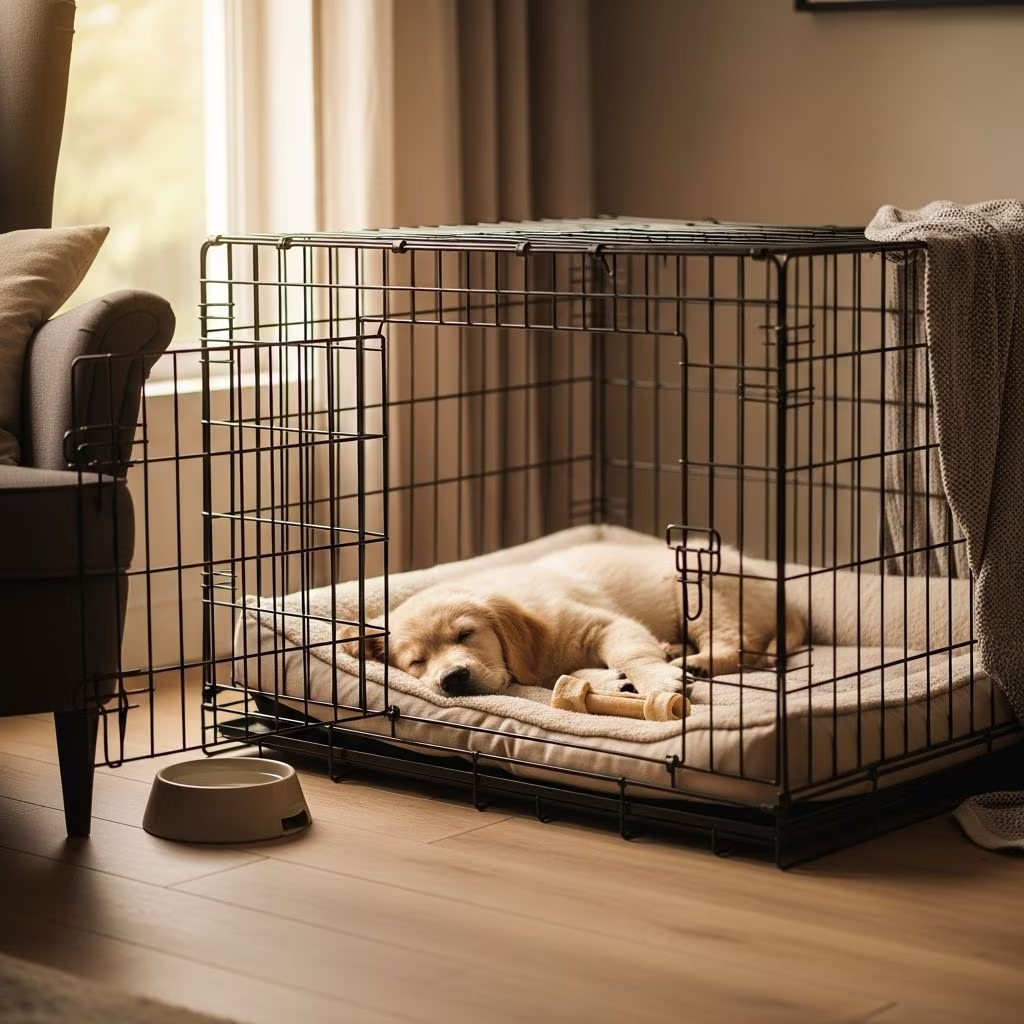
Crate training transforms a simple enclosure into a comforting sanctuary for your dog, promoting better behavior, safer travel, and easier housebreaking. This method leverages a dog’s natural denning instinct to foster security rather than confinement, benefiting puppies and adults alike through gradual, reward-based introduction.
Why Crate Training Matters for Modern Dog Owners
Many dogs instinctively seek enclosed spaces reminiscent of wild dens, where they feel protected from threats. Crate training taps into this by providing a personal retreat, reducing destructive chewing during alone time and minimizing separation anxiety episodes. For house training, crated dogs are less likely to soil their space, accelerating potty success rates. Travel becomes safer with a trained dog who remains calm in carriers at airports or during road trips. Veterinary experts emphasize that proper implementation prevents escapes and injuries, making it essential for multi-pet homes or busy schedules.
Studies from animal behavior specialists show crated dogs exhibit lower stress hormones when introduced positively, contrasting forced confinement which can lead to aversion. Owners report fewer incidents of barking or digging when dogs associate crates with rest periods.
Selecting the Perfect Crate for Your Dog’s Needs
Choose a crate sized for your dog’s adult dimensions: large enough to stand, turn around, and lie down comfortably, but not so spacious they can soil one end and sleep in the other. Wire models offer visibility and airflow for airy dogs, while solid plastic variants suit those preferring darkness. Dividers allow growth adjustments for puppies, starting small to encourage cleanliness.
Durability is key—opt for reinforced bars or zip-tied edges to deter escape artists. Place soft bedding inside, observing if your dog rearranges it; some chew blankets, so test with chew-proof mats. Location matters: family rooms encourage interaction, while bedrooms aid nighttime settling.
| Crate Type | Best For | Pros | Cons |
|---|---|---|---|
| Wire | Breeds liking visibility | Breathable, foldable | May feel less secure |
| Plastic | Anxiety-prone dogs | Enclosed, den-like | Heavier, less airy |
| Soft-sided | Travel/portable | Lightweight | Not chew-proof |
Building Positive First Impressions
Begin without pressure: position the open crate in a high-traffic area with the door removed or secured open. Speak cheerfully, dropping high-value treats or toys inside progressively—from near the entrance to the back. Praise lavishly when your dog investigates voluntarily, allowing free entry and exit to build curiosity over force.
- Observe reactions: Enthusiastic explorers adapt quickly; hesitant ones need more sessions.
- Repeat 5-10 times daily, keeping interactions brief (1-2 minutes).
- Use toys if treats fail, ensuring the crate links to fun.
This phase, lasting minutes to days, establishes the crate as rewarding. Avoid pushing reluctant dogs, as it breeds fear.
Integrating Meals to Strengthen Associations
Once comfortable entering, feed regular meals inside with the door closed. Start the bowl at the back if confident, or midway if shy, advancing gradually. High-value stuffers like Kongs with peanut butter or marrow bones amplify positivity during downtime.
High-value items exclusively in the crate shift perceptions: new chews, puzzle toys, or frozen treats become crate-synonymous. This step, over a week, conditions relaxation, as eating promotes calm.
Gradual Door Closure and Alone Time
With meals mastered, introduce short confinements. Lure with a cue like “crate up,” rewarding entry, then latch the door while praising calmly. Stay nearby 5-10 minutes, progressing to brief absences in another room. Sessions multiple times daily build tolerance without overwhelm.
- Day 1-2: 1-5 minutes with door closed, you visible.
- Day 3-5: 5-15 minutes, occasional out-of-sight.
- Week 2: Up to 30 minutes, incorporating stuffed toys.
Whining prompts ignoring until quiet, then brief release to teach self-soothing. Patience prevents setbacks.
Extending Duration for Real-World Use
Aim for 1-hour stretches by week two, using during naps or your errands. Nighttime crating in your bedroom eases transitions, moving to solitary spots later. Puppies under 6 months need frequent potty breaks, aligning crate time with bladder limits (roughly age in months plus one hour).
Adults may require overcoming past negative experiences; extra treats and consistency speed progress. Track sessions in a journal to monitor improvements and adjust pace.
Mastering Commands and Advanced Skills
Teach “go to crate” from distance: say the cue upbeat as they enter voluntarily, rewarding heavily. Practice from rooms away, pairing with praise to solidify reliability. Add down/stay inside open crates under supervision, fostering relaxation via wheeled-chair monitoring if multitasking.
Zip-tie weak points preemptively; smart dogs test vulnerabilities relentlessly otherwise. Reinforce all crates routinely for safety.
Common Hurdles and Proven Fixes
Persistent Whining: Wait for silence before engaging; reassure post-quiet with calm voice, avoiding excited releases that reinforce noise.
Escape Attempts: Inspect for gaps, use covers for security illusion, and shorten sessions if escalating.
Anxiety Spikes: Revert to earlier steps, adding calming aids like pheromone diffusers after vet clearance. Never use for punishment.
Timeline varies: days for naturals, months for rescues. Consistency across family members is crucial.
Long-Term Success and Crate Rotation
Fade crate reliance post-training by leaving open during rests, using for travel or vet visits. Rotate toys to maintain novelty. Benefits persist: calmer demeanor, reliable house manners, stress-free boarding.
Frequently Asked Questions
Can adult dogs be crate trained?
Yes, adults train via the same positive steps, though prior traumas may extend timelines. Patience yields results.
How long can a dog stay crated?
Puppies: 2-4 hours max daytime; adults up to 6-8 hours with exercise breaks. Always prioritize welfare.
Is crate training cruel?
No, when done right—it’s empowering. Misuse as jail time harms; proper use builds confidence.
What if my dog hates the crate?
Slow introductions with ultra-high rewards. Consult pros if phobia persists.
Best crate for travel?
Airline-approved plastic for flights; soft-sided for cars.
References
- How to Crate Train Your Dog (and Why You Should!) — Sadie’s Rules K9 Training. 2019-06-29. https://www.sadiesrulesk9training.com/blog-posts/2019/6/29/how-to-crate-train-your-dog-and-why-you-should
- Crate Training Your Dog or Puppy — Maddie’s Fund. N/A. https://www.maddiesfund.org/crate-training-your-dog-or-puppy.htm
- How to Crate Train Your Dog in Nine Easy Steps — American Kennel Club (AKC). N/A. https://www.akc.org/expert-advice/training/how-to-crate-train-your-dog-in-9-easy-steps/
- How to Crate Train Your Dog or Puppy — Humane World for Animals. N/A. https://www.humaneworld.org/en/resources/crate-training-101
- How To Crate Train Your Dog — PAWS. N/A. https://www.paws.org/resources/how-to-crate-train-your-dog/
- How to Crate Train an Adult Dog: A Step-by-Step Guide — K9 Connoisseur. N/A. https://k9connoisseur.com/blogs/news/how-to-crate-train-an-adult-dog
- Crate Training Your Puppy — UC Davis Veterinary Medicine. N/A. https://www.vetmed.ucdavis.edu/sites/g/files/dgvnsk491/files/inline-files/Crate_Training_Your_Puppy.pdf



