

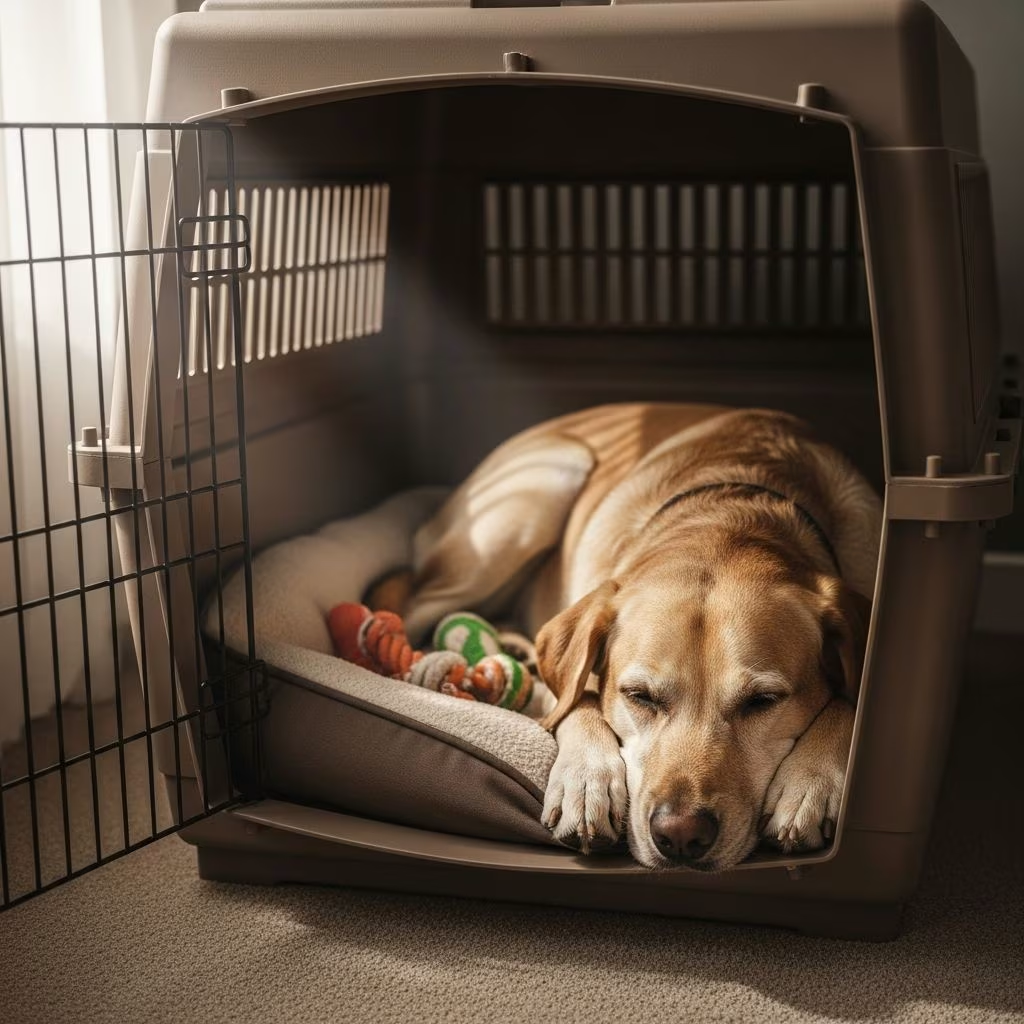
Crate rest serves as a vital recovery protocol for dogs facing surgery, fractures, or conditions like spinal issues, restricting movement to promote healing while preventing setbacks. This guide equips pet owners with strategies to navigate this period effectively, focusing on comfort, engagement, and behavioral adjustments.
Understanding the Need for Crate Confinement
Veterinarians recommend crate rest to immobilize injured areas, allowing tissues, bones, and ligaments to mend without strain. Common triggers include orthopedic surgeries, such as ACL repairs, or neurological disorders like intervertebral disc disease. By limiting activity to brief, controlled potty breaks, owners safeguard against re-injury from jumping or rough play.
Success hinges on compliance; dogs unaccustomed to confinement may whine, pace, or attempt escapes, heightening stress for both pet and owner. Early preparation transforms this necessity into a manageable phase, fostering patience and routine adaptation.
Setting Up an Optimal Recovery Space
Create a dedicated healing zone using a sturdy wire crate sized to allow standing, turning, and lying down comfortably—typically 1.5 times the dog’s length. Line it with an orthopedic foam mattress to cushion joints and distribute weight evenly, reducing pressure points during prolonged stays.
Enhance coziness with breathable crate covers that dim light and muffle sounds, mimicking a secure den. Position the setup in a quiet, traffic-free household area, away from high-activity zones, yet near family for reassurance without overstimulation.
- Select non-slip flooring beneath the crate to prevent skids during entry/exit.
- Incorporate familiar bedding scented with the dog’s own aroma for instant familiarity.
- Attach suction-cup lick mats to interior walls for low-effort soothing via licking wet food or purees.
Essential Gear for Smooth Confinement
Invest in supportive tools to minimize handling risks and maximize ease. A rear-lift harness, like those designed for mobility aid, enables safe transport without lifting by the collar, crucial for post-surgical legs or backs.
| Item | Purpose | Key Features |
|---|---|---|
| Orthopedic Bed | Joint support | Memory foam, waterproof cover |
| Help ‘Em Up Harness | Safe mobility | Multiple handles, padded straps |
| Portable Exercise Pen | Expanded space option | Collapsible, gated panels |
| Crate Cover | Calming environment | Blackout fabric, mesh windows |
| Calming Pheromone Diffuser | Stress reduction | Plug-in, vet-recommended |
These items, when combined, create a professional-grade recovery station adaptable to various home layouts.
Mental Stimulation Without Physical Strain
High-energy dogs tire mentally faster than physically, making brain games indispensable. Scent detection challenges sharpen focus: hide treats under cups or in sniff boxes, rewarding nose work from a stationary position. Food-dispensing puzzles, filled with kibble or soft treats, encourage problem-solving licks and nudges without full-body motion.
Stationary chews like frozen carrots or durable rubber toys provide hours of engagement. Rotate items weekly to sustain novelty and curb destructiveness born of frustration.
Training Exercises for Stationary Dogs
Leverage downtime for skill-building that demands minimal movement. Begin with name recognition: say the dog’s name, reward eye contact with treats delivered to the crate. Progress to “touch,” guiding the nose to your fist for a gentle boop, reinforcing focus.
Introduce “chin rest” by luring the chin onto your palm, building duration for future vet visits. Object naming follows: label toys consistently, rewarding correct identifications to expand vocabulary.
- Leave It/Drop It: Place a low-value item outside the crate; reward ignoring it.
- Head Down: Lure chin to floor with treats, fading the lure over sessions.
- Paw Lifts: Gently shape individual paw raises for balance work.
- Settle Signals: Mark lip licks, ear drops, or relaxed postures to promote calm.
Keep sessions to 5 minutes, multiple times daily, monitoring for over-arousal.
Daily Schedules and Potty Protocols
Structure mirrors normalcy: feed, potty, brief interaction, rest cycles every 4-6 hours. Potty breaks last 3-5 minutes on leash, no play—use a sling harness if needed for support.
Pre-surgery, acclimate by shortening walks and boosting puzzle time, easing the shift. Track intake/output in a log to spot issues early.
Alternatives to Traditional Crating
Not all dogs thrive in crates; consider gated kitchen corners or tethered setups with constant supervision. Exercise pens offer more room for subtle shifts while containing energy. Baby gates restrict rooms, ideal for multi-dog homes.
- Tether to furniture with a short lead, bed adjacent.
- Use pens for visual access to family activities.
- Avoid unsupervised tethers to prevent tangles.
Handling Stress and Behavioral Challenges
Whining signals discomfort or anxiety—respond calmly without reinforcing. Calming aids like Adaptil diffusers or thundershirts soothe nerves chemically. Physiotherapy touches, such as gentle massages, aid circulation if vet-approved.
Owner stress transmits; practice deep breaths during interactions. If separation anxiety flares, use recorded voices or timed treat dispensers.
Physiotherapy and Vet-Guided Rehab
Integrate passive range-of-motion exercises: slowly flex/extend limbs per vet instructions, preventing stiffness. Low-level tools like cold therapy packs reduce swelling. Gradually introduce balance challenges on stable surfaces as clearance allows.
Frequently Asked Questions
How long does crate rest typically last?
Durations vary: 2-6 weeks post-surgery, longer for spinal issues. Consult your vet for tailored timelines.
Can my dog sleep through the night in a crate?
Yes, with pre-bed potty and empty bladder via scheduled evenings. Pups may need midnight breaks.
What if my dog hates the crate?
Counter-condition with high-value meals inside, door open initially. Progress slowly.
Is mental exercise as good as physical?
Often better for high-drive dogs; exhaustion follows focus.
When can normal activity resume?
Follow re-check x-rays and vet clearance; rush risks re-injury.
Long-Term Recovery Mindset
View crate rest as temporary investment in vitality. Consistent execution yields faster, stronger returns to play. Celebrate micro-progresses to sustain motivation throughout.
References
- How to Survive Crate Rest with an Energetic Dog — Preventive Vet. 2023-05-15. https://www.preventivevet.com/dogs/how-to-survive-crate-rest-with-your-dog
- Crate rest for dogs: advice for vets — The Rehab Vet. 2024-02-10. https://therehabvet.com/crate-rest/
- Brain Games for a Dog on “Crate Rest” — The Happy Beast. 2023-08-22. https://thehappybeast.com/blog/brain-games-dog-crate-rest/
- How to entertain and please your dog when they have to accept crate rest — Fido Behaviour. 2023-11-05. https://www.fidobehaviour.com/blog/accepting-crate-rest



