

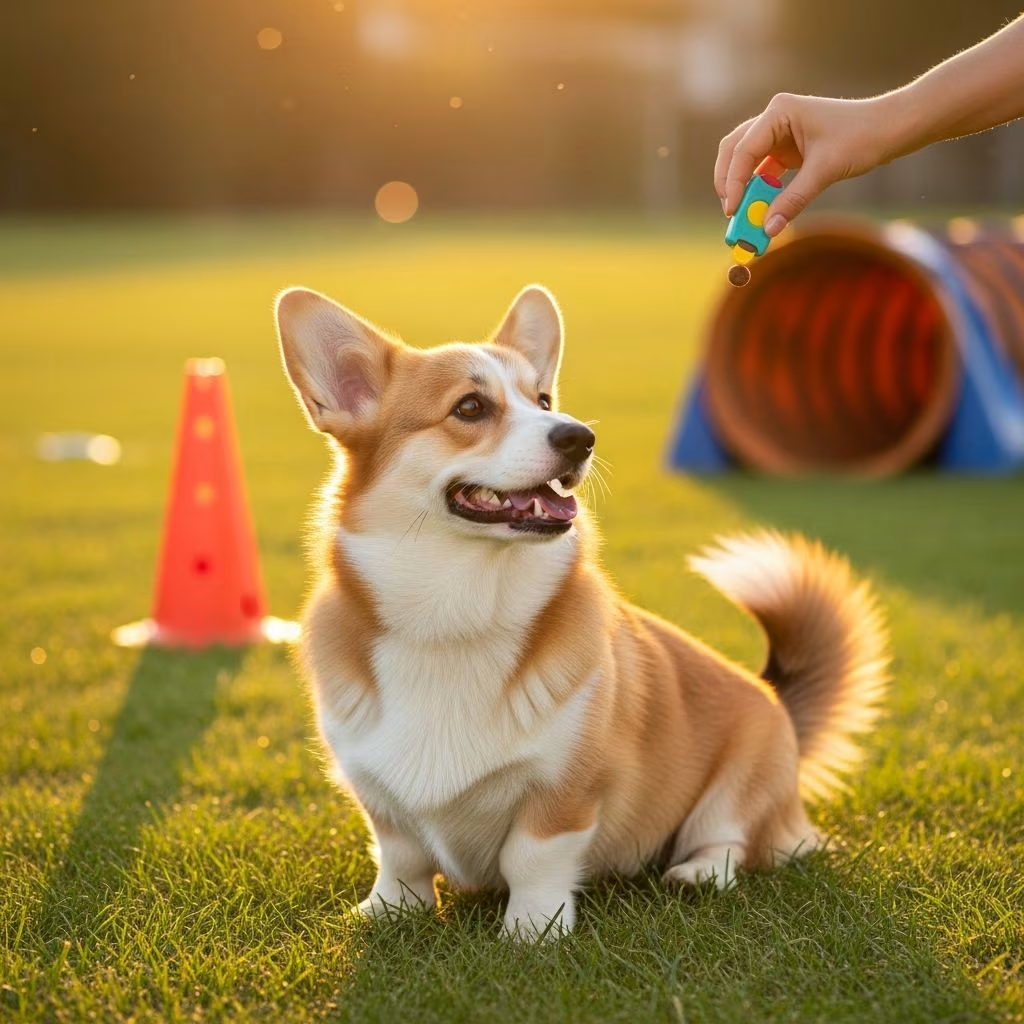
Corgis, with their intelligence and herding heritage, thrive on structured training that leverages their smarts and energy. This guide provides a step-by-step approach to developing a obedient, joyful companion through positive methods.
Understanding the Corgi Temperament
Pembroke and Cardigan Welsh Corgis share traits like high intelligence, loyalty, and a playful streak rooted in their herding background. These dogs excel in tasks requiring focus but can become willful or nippy without guidance. Their short attention spans demand engaging, brief sessions to maintain interest.
Key characteristics include:
- Intelligence: Quick learners who master commands rapidly but bore easily.
- Energy Levels: Need mental and physical outlets to prevent mischief.
- Social Drive: Eager to please owners but may herd family members if untrained.
Recognizing these traits allows owners to tailor training, emphasizing consistency and rewards over force.
Essential Foundations for Puppy Training
Begin training as early as 8 weeks to capitalize on a puppy’s receptivity. Focus on building confidence through exposure to new experiences, preventing fear-based behaviors later.
Starting with Socialization
Expose your Corgi to diverse sights, sounds, and people during weeks 1-3. Controlled introductions to other dogs, vehicles, and household noises build resilience. Use treats to associate novelties with positivity, aiming for calm responses.
For example, play recordings of crowds or run appliances nearby, rewarding relaxation. This prepares them for real-world scenarios like car trips or events.
Crate and Potty Training Basics
Crate training creates a secure den, aiding housebreaking since dogs avoid soiling their sleep space. Select a crate fitting their adult size, introduce it gradually with meals inside, and use it for short absences.
| Age | Training Milestone | Tips |
|---|---|---|
| 8-12 weeks | Introduce crate | Feed meals inside; door open initially. |
| 12-16 weeks | Potty schedule | Take out every 2 hours, after meals, play. |
| By 6 months | Overnight reliability | Limit water evenings; praise successes. |
Consistency in scheduling potty breaks—post-eating, sleeping, playing—speeds progress. Accidents warrant cleanup without scolding to avoid anxiety.
Building Core Obedience Skills
Basic commands form the bedrock of good behavior. Teach in low-distraction settings first, progressing to varied environments for reliability.
Mastering Sit, Stay, and Recall
For sit, lure with a treat above the nose, moving it back until haunches drop. Reward instantly, repeating 5-10 times per session.
Stay builds impulse control: From sit, say “stay,” step back one pace, return to reward. Gradually extend distance and duration.
Recall (come) is vital for safety. Practice in enclosed areas, calling enthusiastically and rewarding lavishly. Never chase; turn playful to encourage pursuit.
Addressing Leash Manners
Corgis often pull due to herding instincts. Start indoors with a harness, rewarding proximity to your side as the “reinforcement zone.” Add walks in quiet yards, then busier spots.
If pulling occurs, stop motion until slack returns, then proceed with praise. Sessions of 10-15 minutes prevent fatigue.
Overcoming Common Corgi Challenges
Corgis’ herding roots lead to nipping, barking, or jumping. Redirect with positive alternatives.
Managing Nipping and Chewing
Puppies teethe around weeks 3-8; provide durable chews like Kongs stuffed with kibble. When nipping occurs, yelp sharply, withdraw attention, and offer a toy.
Identify triggers—excitement or teething—and preempt with exercise. Consistency curbs the habit within weeks.
Reducing Excessive Barking
Barking signals alertness but escalates without training. Teach “quiet” by waiting for a pause post-bark, rewarding silence. Preempt with mental games like puzzle feeders.
Advanced Training for Enrichment
Once basics solidify (around 6 months), introduce complexity to channel their intellect.
Tricks and Agility Fun
Teach down, heel, leave it, and drop it using lures and shaping. For agility, set up home tunnels or jumps, guiding with toys.
Obedience classes enhance socialization; Corgis shine in group settings, learning from peers.
Incorporating Herding Games
Games like treibball—pushing balls into goals—mimic herding safely indoors. Sniffing walks provide mental workouts, tiring them as effectively as runs.
Training Timeline for Success
A phased approach ensures steady progress.
- Weeks 1-4: Socialization, crate habits, name response.
- Weeks 5-8: Sit/stay, potty mastery, loose leash.
- Months 3-6: Recall, leave it, public manners.
- 6+ Months: Advanced cues, sports intro.
By one year, expect housebroken, obedient dogs ready for daily routines.
Tools and Techniques for Effectiveness
High-value treats (chicken bits), clickers for precise timing, and toys motivate best. Sessions: 3-5 daily, 10 minutes each, ending positively.
Track progress in a journal, adjusting for plateaus. Patience yields results; celebrate milestones with extra play.
Frequently Asked Questions
How long does it take to housebreak a Corgi?
Most achieve reliability by 6 months with consistent crate use and schedules.
Are Corgis hard to train?
No, their intelligence makes them responsive to positive methods, though consistency combats stubbornness.
Can adult Corgis be trained?
Yes, though puppies learn fastest; use same reward-based approaches.
What if my Corgi nips during play?
Redirect to toys and pause interaction briefly to teach bite inhibition.
Is punishment ever okay?
Avoid it; it fosters fear. Positive reinforcement builds trust and lasting behavior.
Grooming and Daily Care Integration
Training pairs with care: Acclimate to blow dryers early by running them nearby with treats, easing coat maintenance post-baths. Daily brushes prevent mats, turning grooming into bonding.
Feed measured meals via puzzles for mental stimulation, maintaining ideal weight to support joint health in long-backed Corgis.
References
- Training Tips for Pembroke Welsh Corgis: Unleash Their Intelligence and Charm — DogBizness. 2023. https://www.dogbizness.com.au/post/training-tips-for-pembroke-welsh-corgis-unleash-their-intelligence-and-charm
- How to Train a Corgi: Corgi Puppy Training Timeline — American Kennel Club (AKC). 2024-01-15. https://www.akc.org/expert-advice/training/train-corgi-corgi-puppy-training-timeline/
- 7+ Training Must-Dos for Your Welsh Corgi — Dog Gone Problems. 2023. https://www.doggoneproblems.com/7-training-must-dos-for-your-welsh-corgi-in-omaha/
- How to Train a Corgi Puppy: The Ultimate Guide — Zigzag. 2024. https://zigzag.dog/en-us/blog/puppy-training/how-to-train-a-corgi-puppy-everything-you-need/
- Corgi in DC Ranch: Positive Reinforcement vs. Balanced Methods — Robs Dogs. 2023. https://robsdogs.com/corgi-in-dc-ranch-positive-reinforcement-vs-balanced-methods-what-works/



