

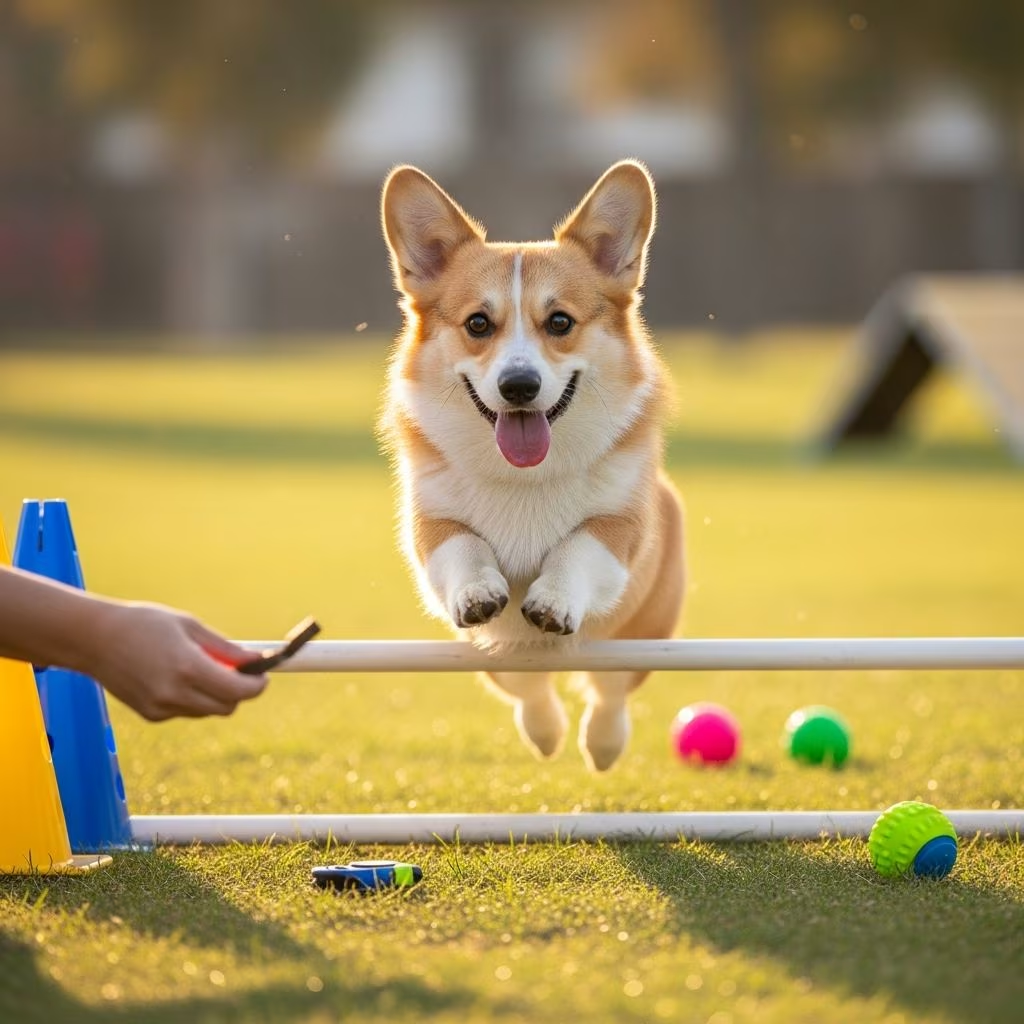
Corgis, with their alert expressions and sturdy builds, thrive under structured guidance that matches their herding heritage. These intelligent dogs excel when owners apply consistent, reward-based approaches from an early age, fostering obedience and curbing instincts like nipping or chasing.
Understanding the Corgi Mindset
Corgis descend from working lines bred for cattle herding, granting them sharp wits and boundless energy. Their quick learning ability pairs with a stubborn streak, making positive reinforcement essential over force. Owners succeed by channeling their drive into tasks, preventing boredom-induced mischief.
Key traits include high intelligence, moderate exercise needs, and social tendencies. They bond deeply with families but require boundaries to avoid overexcitement. Training builds confidence, reducing issues like excessive barking or herding heels.
Starting Training in the Puppy Phase
Begin sessions when your Corgi arrives home, around 8-12 weeks. Early exposure prevents fearfulness and builds resilience. Focus on habituation to sounds, surfaces, and people through gentle introductions.
- Expose to household noises like vacuums using treats for calm reactions.
- Introduce crates as safe retreats with toys inside.
- Schedule playdates for socialization, monitoring interactions closely.
Short daily outings to varied environments solidify adaptability. By 6 months, aim for comfort in new settings.
Essential Housebreaking and Crate Strategies
House training leverages a Corgi’s natural aversion to soiling sleeping areas. Crate training accelerates this, providing a den-like space for naps and short absences.
| Age Milestone | Training Focus | Tips |
|---|---|---|
| 8-12 weeks | Frequent potty breaks | Every 2 hours, after meals, post-naps; praise successes. |
| 3-4 months | Crate naps | Comfortable bedding; limit to 4 hours max. |
| 6 months | Overnight reliability | Last break before bed; clean accidents without scolding. |
Use enzymatic cleaners for mishaps and maintain a routine. Signs like circling signal urgency—respond promptly.
Building Core Obedience Skills
Basic commands form the foundation. Employ treats, verbal praise, and toys for motivation. Sessions last 10-15 minutes, multiple times daily, ending positively.
Sit and Down
For sit, lure with a treat above the nose, moving back as haunches lower. Reward instantly. Progress to hand signals.
Down follows: from sit, lower treat to floor between paws, encouraging belly drop. Practice in distractions gradually.
Stay and Recall
Stay builds duration: command from sit, step away briefly, return to reward. Increase steps over sessions.
Recall (come) starts indoors: call enthusiastically, reward heavily. Never chase—turn away to entice pursuit.
Leave It and Drop It
These prevent ingestion hazards, vital for strong-jawed Corgis. Place low-value item, cover with foot, offer superior treat for ignoring.
Practice drop it with toys: trade for equal value first, then better rewards.
Leash Manners and Public Behavior
Corgis pull from herding urges. Teach loose-leash walking in low-distraction zones.
- Harness over collar to avoid neck strain.
- Reinforcement zone: treat near your leg for proper positioning.
- Stop walking if pulling; resume on slack.
Public manners include calm greetings: sit for pets, ignore lunging dogs. Practice at parks post-basics.
Addressing Common Corgi Challenges
Nipping and Herding Behaviors
Puppies nip from teething or play. Redirect to chews; yelp sharply to mimic littermates. Freeze movement during excitement.
Herding nips at heels? Ignore, redirect to toys. Teach “four on the floor” for jumping.
Barking and Energy Management
Excessive vocalization ties to boredom. Provide puzzle feeders, scent games. Train quiet on cue: reward silence.
Daily 30-60 minute walks plus mental games prevent restlessness.
Advanced Training for Active Corgis
Beyond basics, engage their athleticism. Obedience classes enhance socialization; agility hones speed and focus.
- Barn Hunt or Treiball: Tap sniffing and herding drives.
- Trick Training: Spin, weave—builds vocabulary up to 50+ cues.
Start agility at 12 months post-growth plates close. Use tunnels, jumps scaled to size.
Tools and Techniques for Success
High-value treats like chicken motivate. Clickers mark exact moments. Vary rewards to maintain interest.
Track progress in a journal. Consistency across family members avoids confusion.
Long-Term Maintenance
By one year, expect reliable obedience, house manners, and routine acclimation. Refresh skills weekly; introduce novelties yearly.
Health checkups ensure training reflects physical capability. Spay/neuter timing influences focus.
Frequently Asked Questions
How long until my Corgi puppy is house trained?
Most achieve reliability by 6 months with consistent crate use and schedules.
Are Corgis hard to train?
No, their intelligence shines with positive methods; stubbornness fades with patience.
Best age for agility?
After 12 months, ensuring joint health.
How to stop pulling on leash?
Use reinforcement zones and stop-start method in low-distraction areas first.
Do Corgis need obedience classes?
Beneficial for socialization and handler skills, especially for first-timers.
References
- Training Tips for Pembroke Welsh Corgis: Unleash Their Intelligence and Charm — DogBizness. 2023-05-15. https://www.dogbizness.com.au/post/training-tips-for-pembroke-welsh-corgis-unleash-their-intelligence-and-charm
- How to Train a Corgi: Corgi Puppy Training Timeline — American Kennel Club (AKC). 2024-08-20. https://www.akc.org/expert-advice/training/train-corgi-corgi-puppy-training-timeline/
- 7+ Training Must-Dos for Your Welsh Corgi — DogGoneProblems. 2023-11-10. https://www.doggoneproblems.com/7-training-must-dos-for-your-welsh-corgi-in-omaha/
- How to Train a Corgi Puppy: The Ultimate Guide — Zigzag. 2024-02-14. https://zigzag.dog/en-us/blog/puppy-training/how-to-train-a-corgi-puppy-everything-you-need/



