

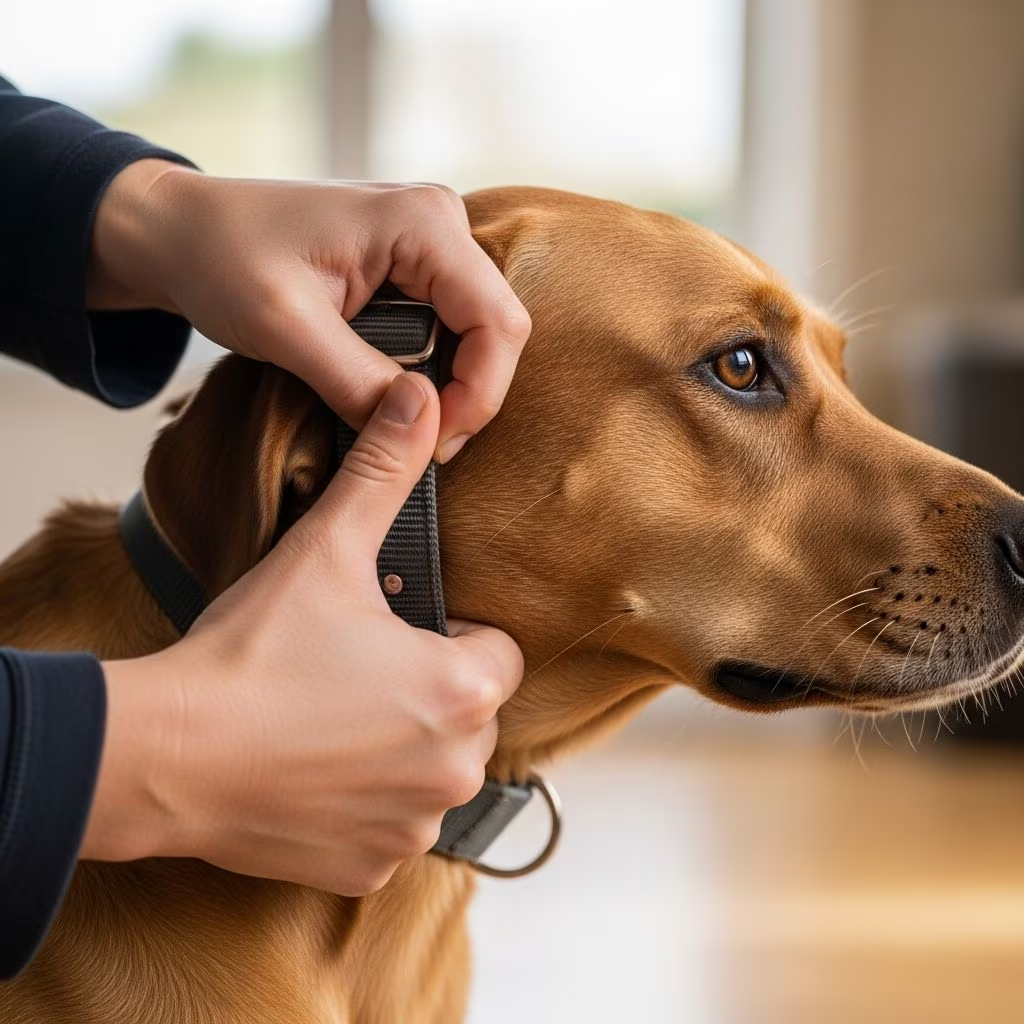
Teaching your dog to comfortably accept collar grabs is a foundational skill that can prevent accidents and ensure quick control in critical moments. This training transforms a potentially scary action into a rewarding one, fostering trust and responsiveness.
The Critical Role of Collar Conditioning in Canine Welfare
Many dogs instinctively pull away or react defensively when someone reaches for their collar, a response rooted in natural self-preservation. In real-world scenarios—like darting toward traffic or clashing with another animal—this aversion can escalate dangers. Positive conditioning changes this dynamic, making your dog eager for contact rather than fearful.
Experts emphasize that collar familiarity reduces bite risks during handling by kennel staff, veterinarians, or strangers in emergencies. For instance, a dog that panics when grabbed might lash out, complicating rescue efforts. By associating collar touches with rewards, owners create a safety net that could literally save lives.
Foundational Principles of Positive Collar Training
Success hinges on counter-conditioning, where neutral or negative stimuli pair with high-value rewards. Use small, irresistible treats like bits of cheese or chicken to build enthusiasm. Always prioritize your dog’s comfort, advancing only when relaxed signals appear, such as tail wags or leaning in.
- Prepare essentials: Sturdy collar (flat buckle preferred over martingales for training), treats, quiet space.
- Observe body language: Ears back or lip licking signals stress—pause and regress steps.
- Keep sessions short: 5-10 minutes, multiple times daily for steady progress.
Step-by-Step Protocol for Building Collar Comfort
Begin in a low-distraction environment with your dog seated or standing calmly. Progress gradually to mimic real-life chaos, ensuring each phase solidifies before advancing.
Hand Approach Introduction: Extend your empty hand toward your dog’s chest (not directly at collar). Simultaneously, offer a treat from the other hand. Withdraw both hands together. Repeat until your dog anticipates treats upon seeing the approach hand.
Proximity Increase: Gradually close the distance, hovering fingers near the collar without contact. Reward instantly for calm demeanor. Aim for a ‘conditioned emotional response’ like eye contact or forward lean.
Light Collar Touches: Brush one finger along the collar edge while feeding multiple treats. Build to two fingers, then three, always pairing touch with rewards.
Gentle Grasping: Hook one finger under the collar briefly, treat heavily. Progress to full gentle grip, shaking lightly to simulate control.
Introduce Movement: Apply slight tension to guide one step forward. Reward, then extend to short walks while holding.
Table of Progression Milestones:
| Stage | Description | Success Indicator | Est. Reps |
|---|---|---|---|
| 1-2 | Hand near collar | Dog looks for treat | 20-50 |
| 3 | Finger touches | Relaxed posture | 30+ |
| 4 | Grip and shake | Tail wag | 40+ |
| 5 | Guided steps | Follows willingly | 50+ |
Advancing to Realistic Emergency Simulations
Once basics are solid, replicate high-stress scenarios. Increase hand speed, add verbal cues, or approach from behind. Practice with motion: walk briskly toward your dog, grab, and reward. Incorporate noise or distractions to bridge training to reality.
- Quick reaches from varying angles.
- Firm pulls simulating restraint.
- Handling during play or excitement.
- Involve familiar people, then strangers.
For reactive dogs, extend timelines—weeks per stage if needed. Video sessions to self-assess progress.
Integrating Collar Grabs into Everyday Routines
Embed this skill into recalls and leash-ups. After a ‘come’ command, grab the collar, treat, and release—or leash for consistency. At parks, alternate rewards with leashing to prevent ‘recall avoidance,’ where dogs stop short fearing capture.
Puppies benefit early; start during socialization windows for lifelong ease. Adult rescues with trauma histories may need slower desensitization, but persistence yields results.
Common Hurdles and Troubleshooting Strategies
Dogs dodging hands? Stop mid-reach, treat from afar, rebuild trust. Growling? Revert to touchless rewards, consult a professional behaviorist. Over-arousal (jumping)? Add a ‘sit’ cue pre-grab.
| Problem | Solution |
|---|---|
| Dodging hand | Pause early, air-touch + treat |
| Fear response | Regress stages, higher-value rewards |
| Over-excitement | Incorporate calm commands |
| No progress | Shorter sessions, pro trainer input |
Long-Term Maintenance and Proofing
Weekly refreshers prevent regression. Randomize during walks, games, or grooming. Test in novel settings like beaches or crowds. Track via journal: note dates, behaviors, adjustments.
Benefits extend beyond safety—improved vet visits, boarding ease, and handler confidence.
Frequently Asked Questions (FAQs)
Why does my dog hate collar grabs?
Past negative experiences or instinct; counter with consistent positive pairing.
How long until mastery?
1-4 weeks for most, varying by dog and consistency.
Is this safe for puppies?
Yes, from 8 weeks; use soft collars, gentle pressure.
What if my dog is aggressive?
Seek certified trainer; muzzle train first if needed.
Can I skip steps?
No—rushing causes setbacks; thin slicing ensures success.
Real-World Applications and Success Stories
Owners report averting runaways: one grabbed a Border Collie mid-street dash, guiding safely home. Another prevented a kennel bite incident. These anecdotes underscore training’s practicality.
Combine with recall drills for comprehensive obedience. Professional courses often include it as a core module.
References
- Why Teaching a Collar Grab Might Save Your Dog’s Life — Tails We Win Dog Blog. 2023. https://tailswewin.dog/blog/why-teaching-a-collar-grab-might-save-your-dogs-life/
- Grabbing Your Dog’s Collar: Why and How to Practice — Whole Dog Journal. 2023. https://www.whole-dog-journal.com/care/grabbing-your-dogs-collar-why-and-how-to-practice/
- Training Your Dog The Collar Grab — YouTube (Ed Frawley). 2022-10-15. https://www.youtube.com/watch?v=EPv_fxQ5EIU
- Collar Grab Dog Training — YouTube. 2023. https://www.youtube.com/watch?v=xJzSls7aw8c
- The Collar Grab Training Game — Success Dogs. 2024. https://www.successdogs.com/dog-training-lessons/collar-grab-game/
- Collar Grab — Canine Body and Mind. 2022-07-06. https://www.caninebodyandmind.com/dog-training-videos/v/collar-grab



