

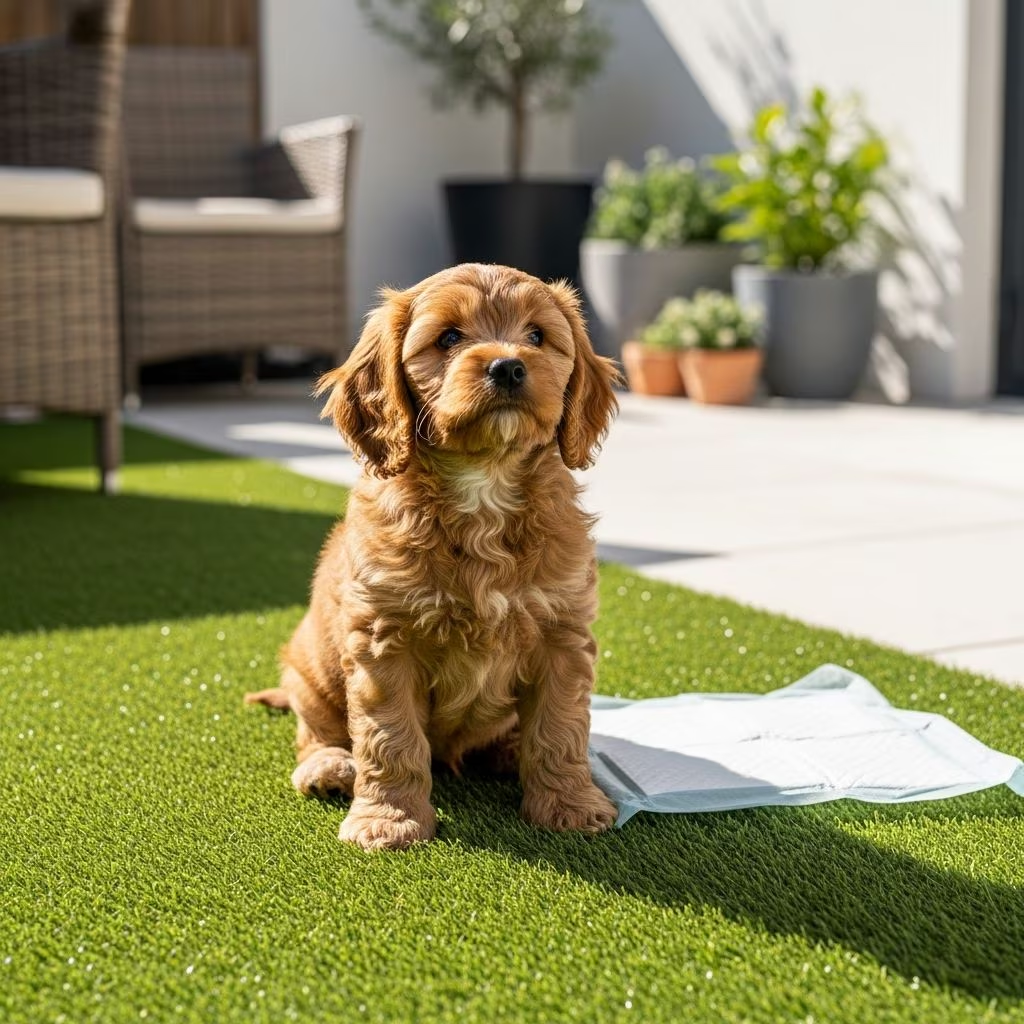
Cockapoos, the charming hybrids of Cocker Spaniels and Poodles, are renowned for their intelligence and eagerness to please, making them prime candidates for successful potty training. With a structured approach emphasizing consistency, patience, and rewards, most Cockapoo puppies can master housebreaking in about two weeks. This guide draws on proven methods to help you establish good habits from day one, preventing accidents and fostering a clean home environment.
Understanding Your Cockapoo’s Bladder and Bowel Needs
Young Cockapoo puppies have limited bladder control, typically holding it for only as many hours as their age in months plus one. For instance, an 8-week-old pup might manage just two to three hours. Factors like meals, naps, play, and excitement trigger elimination urges, so anticipating these moments is key to success.
Recognizing signs of impending accidents—such as sniffing, circling, whining, or restlessness—allows you to intervene promptly. Over time, Cockapoos learn to signal needs through barks or pawing at doors, strengthening your bond and communication.
Building a Solid Daily Routine for Success
A predictable schedule is the cornerstone of effective potty training. Align your Cockapoo’s day with fixed times for feeding, elimination, play, and rest to regulate their internal clock.
- Morning Start: Right after waking, leash up and head outside for the first potty break. Allow time for both urine and stool, using a cue like “do your business” to build association.
- Post-Meal Windows: Feed at consistent times—morning, midday, evening—and take out 30-60 minutes later when digestion peaks.
- Activity Triggers: After play, exercise, or naps, immediate outdoor trips prevent indoor mishaps as movement stimulates bowels.
- Hourly Checks: For the first week, every hour on the hour offers ample opportunities, gradually spacing out as patterns emerge.
- Evening Wind-Down: Final outing before bed, plus overnight crate if needed, minimizes middle-of-the-night needs.
Track successes in a journal noting times and triggers to refine the routine, reducing outings once reliability sets in.
Essential Tools and Setup for Effective Training
Equip your home strategically to support training without constant supervision.
| Tool | Purpose | Tips for Use |
|---|---|---|
| Crate | Den-like safe space leveraging natural aversion to soiling sleeping area | Size just large enough for standing/turning; include bedding and water |
| Leash & Harness | Guides to designated outdoor spot consistently | Use for all potty walks to reinforce location memory |
| Baby Gates/Playpen | Confines to accident-resistant zones when unsupervised | Kitchen or laundry areas with easy-clean floors; feed/water here too |
| Treat Pouch & High-Value Rewards | Immediate positive reinforcement | Small, soft treats for instant delivery post-success |
| Enzyme Cleaner | Removes accident scents completely | Prevents re-marking; avoid ammonia-based products |
Designate one outdoor spot near the door, carrying soiled papers there initially to imprint the scent. Avoid long confinements—puppies need breaks every 2-4 hours.
Step-by-Step Potty Training Process
- Supervise Diligently: Keep puppy in sight or crated. Interrupt accidents with a neutral “ah-ah” and rush outside.
- Frequent Opportunities: More outings mean more successes; reward lavishly with praise, treats, and play only after elimination.
- No Punishment: Scolding creates fear and hiding, worsening issues. Stay calm—focus on positives.
- Cue Training: Say “go potty” during the act; soon, they’ll associate and respond on command.
- Post-Success Freedom: After outdoor success, enjoy supervised indoor time for cuddles or play.
- Pattern Recognition: Log data to predict needs, extending intervals gradually.
- Nighttime Management: Limit water evening; crate for overnight; quiet morning carry-out if under 12 weeks.
Overcoming Common Potty Training Hurdles
Challenges arise, but targeted fixes keep progress on track.
- Frequent Accidents: Revert to hourly outings; check for medical issues like UTIs via vet.
- Marking Indoors: Neuter/spay around 6 months; thorough cleaning; more supervision.
- Fear of Outdoors: Some pups prefer indoor surfaces—gradually desensitize with short, positive trips; pair with play.
- Regression: Stress, diet changes, or routine disruptions common; reset with basics patiently.
- Submissive Wetting: Excitement-triggered; ignore greetings initially, reward calm behavior.
Cockapoos’ smarts mean they respond well to consistency; some take longer, but persistence pays off.
Advanced Strategies for Long-Term Reliability
Once basics click, layer in refinements. Teach bell-ringing on doors for self-signaling: hang bells at nose height, guide paw touches before outings, rewarding rings followed by success. Transition to off-leash reliability by testing supervised freedom, crating when away.
Integrate potty into broader obedience: combine with sit-stay for polite waits. For apartments, puppy pads as interim if outdoor access limited, but phase out quickly to avoid preferences.
Nutrition and Health’s Role in Potty Success
High-quality, easily digestible food at fixed times stabilizes bowels. Avoid free-feeding; split into 3-4 meals for young pups. Hydration is vital, but taper evenings. Regular vet checks rule out parasites or infections mimicking training issues.
FAQs: Potty Training Your Cockapoo
How long does it take to potty train a Cockapoo?
Typically 2-4 weeks with consistency; full reliability by 6 months.
What if my Cockapoo has accidents after seeming trained?
Revisit routine; clean thoroughly; consult vet for health checks.
Can I use pee pads for Cockapoo training?
Yes, temporarily for tiny pups or bad weather, but transition outdoors promptly.
Is crate training cruel for Cockapoos?
No, when sized right and not overused; mimics den instinct.
What treats work best for rewards?
Soft, pea-sized bits of chicken, cheese, or commercial training treats.
Final Thoughts on a Cleaner, Happier Home
Potty training your Cockapoo demands commitment but yields a well-mannered companion. Stay positive, consistent, and attuned to their needs for transformative results. Celebrate milestones—your puppy’s quick learning will soon make this a fond memory.
References
- Cockapoo Training Guide — My Doodle Puppy. 2023. https://www.mydoodlepuppy.com/cockapoo-training
- How to Potty Train Your Cockapoo: 7 Easy Steps & Tips — Dogster. 2023. https://www.dogster.com/dog-training/how-to-potty-train-your-cockapoo
- House Training Your Puppy — American Cockapoo Club. 2023. https://americancockapooclub.com/train_house.asp
- How to Potty Train a Cockapoo? Toilet Training a Cockapoo Puppy — YouTube (Video Transcript). 2023. https://www.youtube.com/watch?v=qC_8V9VYWHA



