

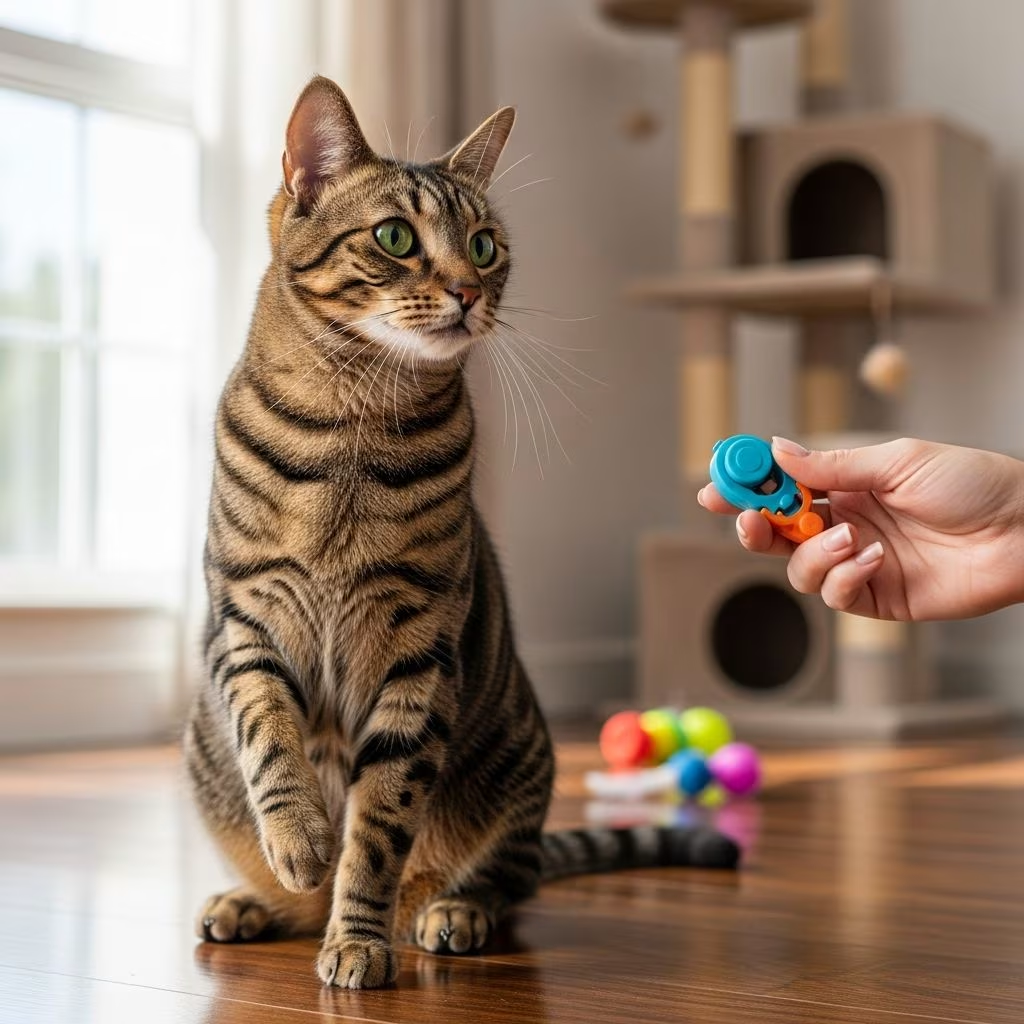
Training cats is often misunderstood as challenging, but with the right approach, it becomes an enjoyable way to strengthen your bond and encourage desirable behaviors. Using positive reinforcement, short sessions, and consistent rewards, any cat owner can teach basic commands and impressive tricks. This guide draws from established methods to help you start training today, focusing on patience, timing, and fun.
Why Train Your Cat?
Cats are intelligent creatures capable of learning a wide range of skills, from litter box etiquette to advanced agility moves. Training provides mental stimulation, reduces stress, and prevents unwanted behaviors like scratching furniture. It also fosters trust, making vet visits and grooming easier. Studies from animal behavior experts emphasize that positive methods lead to faster learning and happier pets.
Essential Tools for Success
Before diving in, gather these basics:
- Clicker: A small device that makes a distinct ‘click’ sound to mark desired actions precisely.
- High-value treats: Small pieces of your cat’s favorite food, like tuna bits or commercial training treats, to motivate without overfeeding.
- Target stick or finger: For guiding movements in luring techniques.
- Quiet space: Free from distractions to keep sessions focused.
These tools enable clear communication, helping your cat associate actions with rewards swiftly.
Preparing for Training Sessions
Success hinges on setup. Choose a calm environment with no loud noises or other pets interrupting. Time sessions for when your cat is alert but slightly hungry—post-nap, pre-meal works best. Limit each to 3-5 minutes to match a cat’s attention span, doing 2-3 daily. Always end on a positive note with a reward.
| Factor | Best Practice | Why It Matters |
|---|---|---|
| Environment | Quiet room | Minimizes distractions |
| Timing | Before meals | Increases treat appeal |
| Duration | 5 minutes max | Prevents frustration |
| Rewards | Tiny treat pieces | Avoids weight gain |
Step 1: Introduce the Clicker
The clicker is your secret weapon for precise timing. ‘Charge’ it by clicking once and immediately offering a treat, repeating 10-20 times per session over a week. Your cat will soon link the sound to good things. Once they perk up at the click, proceed to behaviors.
- Click the device.
- Instantly give a treat—no action required from cat.
- Repeat until cat anticipates reward on click alone.
This foundation takes patience but pays off in all future training.
Core Training Techniques
Three methods form the backbone: capturing, luring, and shaping. Combine with clicker for best results.
Capturing Spontaneous Behaviors
Watch for natural actions like sitting, then click and reward immediately. This reinforces without guidance, ideal for beginners. Gradually add a cue word like ‘sit’ just before they do it.
Luring with Treats
Guide your cat using a treat’s scent. Hold it near their nose and move to prompt the behavior, clicking when achieved. Fade the treat over repetitions by using cues first.
Shaping Complex Actions
Break tricks into tiny steps, rewarding approximations. For jumping, first reward looking up, then stretching, building to full leaps. This builds advanced skills.
Teaching Fundamental Commands
Come When Called
Start with finger targeting: Hold a treat between thumb and index, wiggle middle finger. Click when nose touches, reward. Say their name and ‘come’ as they approach. Practice across rooms.
Sit on Command
Lure by holding treat above nose, moving back over head. Rear drops naturally—click butt-to-floor contact. Add verbal cue ‘sit’. Practice 50 times daily in short bursts.
High-Five or Wave
With cat sitting, hold treat in closed fist above paw. Click lifted paw, reward. Progress to open hand wave cue. Reward highest efforts only later.
Fun Tricks to Impress
Once basics are solid, try these:
- Spin: Lure in a circle with treat at nose level, clicking completion. Add spin cue.
- Down or Lie Flat: Use leg tunnel lure to encourage belly-down, click, reward. Progress to roll by tilting treat near shoulder.
- Jump Through Hoop: Shape by rewarding steps toward hoop, then through it.
These not only entertain but provide exercise.
Addressing Unwanted Behaviors
Training curbs issues like jumping on counters. Redirect with a cue to ‘place’ on a mat, rewarding stays. Ignore bad actions, never punish—scolding erodes trust. For scratching, provide approved posts and click appropriate use.
Training Kittens vs. Adults
Kittens learn fastest due to playfulness; start at 8 weeks with routines like feeding spots. Adults may need more repetition but excel in focus. Consistency across household members is key.
Common Mistakes to Avoid
- Pushing too fast: Let cat choose pace.
- Inconsistent cues: Use same word/gesture always.
- Over-rewarding: Taper to intermittent.
- Long sessions: Stick to minutes.
Patience yields results; some cats master sits in days, tricks in weeks.
Advanced Training Levels
Progress to desensitization (e.g., handling paws for nail trims) and obedience amid distractions like toys or guests. Use competing stimuli levels: quiet room first, then add variables.
Building a Lasting Bond
View training as playtime. Praise lavishly, end positively. Track progress in a journal to celebrate milestones. Well-trained cats are calmer, healthier companions.
Frequently Asked Questions
Can all cats be trained?
Yes, with positive methods. Age, breed, or personality affect speed, but persistence works for all.
How often should I train?
2-4 short sessions daily, totaling 10-15 minutes.
What if my cat ignores the clicker?
Revert to treats alone, reintroduce slowly. Ensure treats are enticing.
Is clicker necessary?
No, but it sharpens timing for quicker learning.
Can training fix aggression?
For mild cases yes; severe issues need vet/behaviorist.
References
- Cat training basics — 24PetWatch. 2023. https://www.24petwatch.com/ca/blog/cat-training-basics
- 5 Cat Tips for How to Train a Cat — Catastrophic Creations. 2024. https://www.catastrophicreations.com/blogs/articles/how-to-train-a-cat-5-points-to-remember
- Cat Training Guide for Beginners — Outdoor Bengal. 2023. https://www.outdoorbengal.com/blogs/clicker-training-cats/cat-training-guide
- Cat Training: Tried-and-True Tricks — Whisker. 2024. https://www.whisker.com/blog/cat-training-tried-and-true-tricks
- Clicker Training for Cats: A Beginner’s Guide — Taste of the Wild Pet Food. 2023. https://www.tasteofthewildpetfood.com/articles/training-and-behavior/clicker-training-for-cats-beginners-guide/
- Kitten Training: 20 Tips — Sheba. 2024. https://www.sheba.com/lifestyle/kitten-training



