

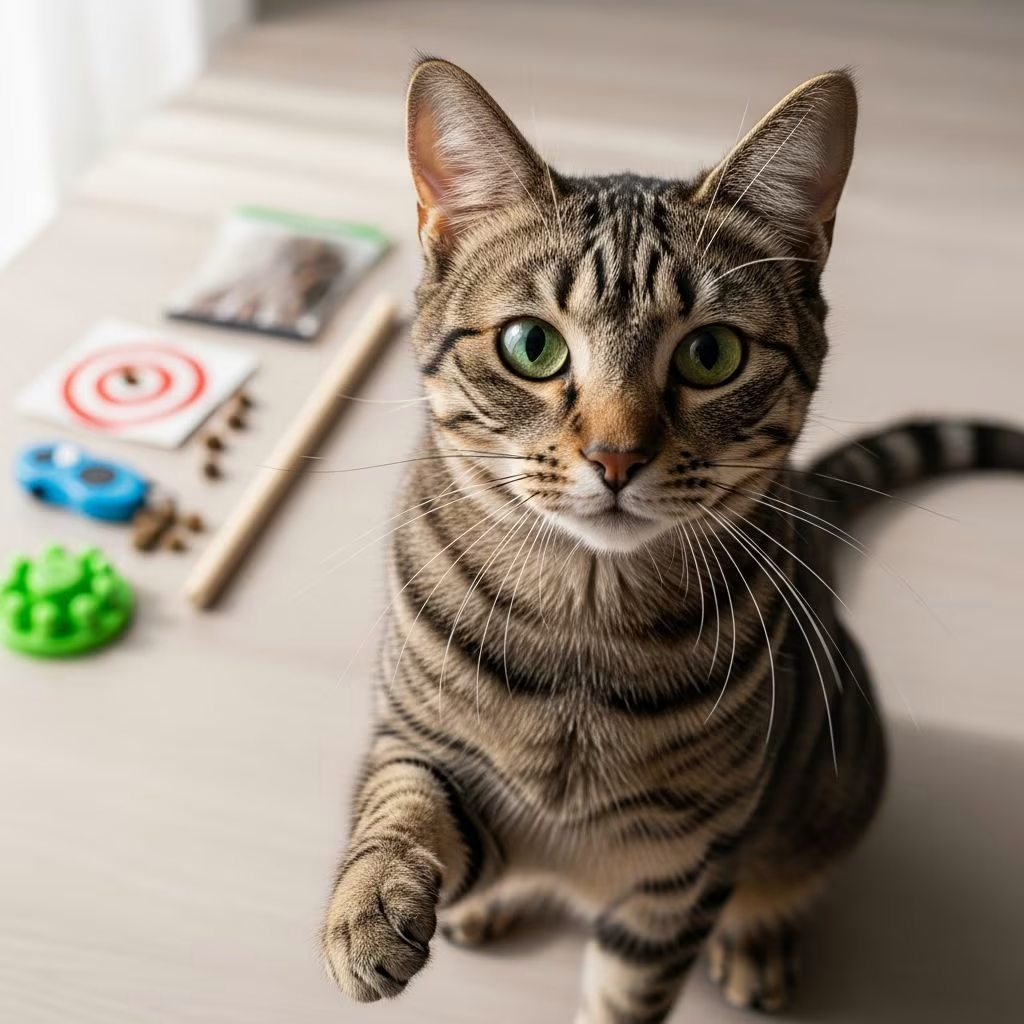
Training cats transforms independent felines into responsive companions capable of performing impressive feats and exhibiting desirable behaviors. Unlike dogs, cats learn through curiosity and self-motivation, making positive reinforcement the cornerstone of successful sessions. This guide explores foundational principles, step-by-step methods, and advanced skills to build a stronger bond with your pet.
Why Train Your Cat?
Many owners believe cats resist training due to their solitary nature, but evidence shows felines thrive on structured learning. Training enhances mental stimulation, reduces boredom-induced mischief, and fosters trust. Studies with shelter cats demonstrate that 79% mastered target touching and 60% learned spins after brief sessions, proving cats’ aptitude for skills like sitting or high-fiving. Benefits extend to practical areas: calmer vet visits, leash walking, and curbing issues like counter jumping.
- Boosts confidence and reduces anxiety through predictable routines.
- Addresses problem behaviors non-punitively, improving household harmony.
- Strengthens the human-cat relationship via mutual communication.
Core Principles of Feline Learning
Effective cat training hinges on understanding operant conditioning. Positive reinforcement rewards desired actions with treats, praise, or play, increasing their recurrence. Avoid negative methods like punishment, which erode welfare and trust. Key elements include timing, consistency, and brevity—aim for 5-minute sessions multiple times daily to match cats’ attention spans.
| Method | Description | Example |
|---|---|---|
| Positive Reinforcement | Reward good behavior immediately | Treat after sitting |
| Luring | Guide with treat to position | Move treat over head for sit |
| Shaping | Build complex behavior incrementally | Reward partial jumps toward hoop |
| Marking | Use clicker to pinpoint exact moment | Click when nose touches target |
Setting Up for Success
Prepare a quiet space free from distractions. Stock high-value rewards: small, smelly treats or toys. Introduce tools like clickers by pairing the sound with treats repeatedly until your cat anticipates rewards. Establish routines—train before meals when hunger motivates. Track progress in a journal to refine techniques.
Choosing the Right Rewards
Not all treats suit every cat. Opt for moist food bits or commercial training treats to avoid dietary imbalance. Verbal praise in an upbeat tone and gentle pets work for affectionate cats. Rotate rewards to prevent habituation.
Beginner Skills: Building Foundations
Start with simple actions to establish trust and association. These form the base for complex tricks.
Finger Targeting: Your Gateway Trick
This foundational skill teaches cats to follow and touch a target, evolving into come-when-called. Hold a treat between thumb and middle finger, wiggling your index nearby. When your cat noses it, click and reward. Fade the treat lure over repetitions, adding a verbal cue like “touch”. Practice daily; most cats master it in sessions.
Teaching the Sit Command
Hold a treat just above your cat’s nose, moving it back slowly. Their head lifts, rear lowers—click the instant hindquarters touch ground, then treat. Repeat without treat in hand, using hand signal alone. Consistency yields sits on cue within days.
Intermediate Tricks: Adding Flair
Once basics click, progress to engaging maneuvers that showcase agility.
Mastering the Spin
With cat standing, lure a treat in a circular path over their head. As they pivot fully, mark and reward. Pair with a twirl finger signal and “spin” cue. Shaping refines if luring falters—reward quarter-turns first.
Leaping Through Hoops
Position a small hoop between cat and treat. Lure them through; click passage and reward lavishly. Gradually raise hoop height and distance. Cats’ athleticism shines here, often jumping eagerly after 10-15 trials.
Advanced Techniques: Precision and Control
Elevate training with behaviors requiring focus amid distractions.
Down and Roll Combo
For down: Lure under a low barrier like your extended leg using targeting, marking belly touch. Advance to roll by placing treat near shoulder, encouraging tilt and flip. Chain with “down-roll” cue.
High-Five and Beyond
Shape paw lifts toward your hand, rewarding approximations. Shelter studies show 31% of cats learn high-fives via clicker in two weeks. Introduce amid mild distractions for reliability.
Solving Common Behavior Challenges
Training redirects nuisances effectively.
- Counter Surfing: Deter with tape, reward floor stays.
- Scratching: Provide posts, click/post treats for use.
- Biting Play: Withdraw attention, redirect to toys.
Leash Walking and Crate Comfort
Pair harness with treats for positive associations. Lure short walks. For crates, feed meals inside, rewarding entry.
Troubleshooting Training Hurdles
Cats may ignore cues if sessions drag or rewards lose appeal. Shorten to 3-5 minutes, up treat value. If fearful, desensitize gradually. Patience trumps force—walk aways signal reset needs.
FAQs
Can Any Cat Be Trained?
Yes, all ages and breeds respond, though kittens learn fastest. Adjust for seniors with gentler sessions.
How Long Until Results?
Basics in days; tricks in weeks with daily practice.
Is Clicker Essential?
No, but it sharpens timing for complex skills.
What If My Cat Ignores Me?
Boost motivation with hungrier timing or better treats.
Training Multiple Cats?
Separate sessions to avoid competition.
Long-Term Maintenance
Prevent skill fade with variable rewards and fun games. Integrate into play for lifelong engagement. Trained cats enjoy enriched lives, mirroring wild hunting instincts through mental challenges.
References
- Cat Training Guide for Beginners – Train Your Cat from Zero to Hero — Outdoor Bengal. 2023. https://www.outdoorbengal.com/blogs/clicker-training-cats/cat-training-guide
- How to train a cat — British Psychological Society (BPS). 2022-10-01. https://www.bps.org.uk/psychologist/how-train-cat
- Cat Training Tips | Arch Creek Animal Clinic — Arch Creek Animal Clinic. 2024. https://archcreekanimalclinic.com/training-cats-yes-its-possible-with-the-right-approach/
- How to Train a Cat: Training Tips & Tricks — Purina US. 2025-01-15. https://www.purina.com/articles/cat/behavior/training/how-to-train-a-cat
- Cat Training Techniques for Caregivers — Cat Friendly Homes. 2023. https://catfriendly.com/be-a-cat-friendly-caregiver/cat-training-techniques-for-caregivers/



