

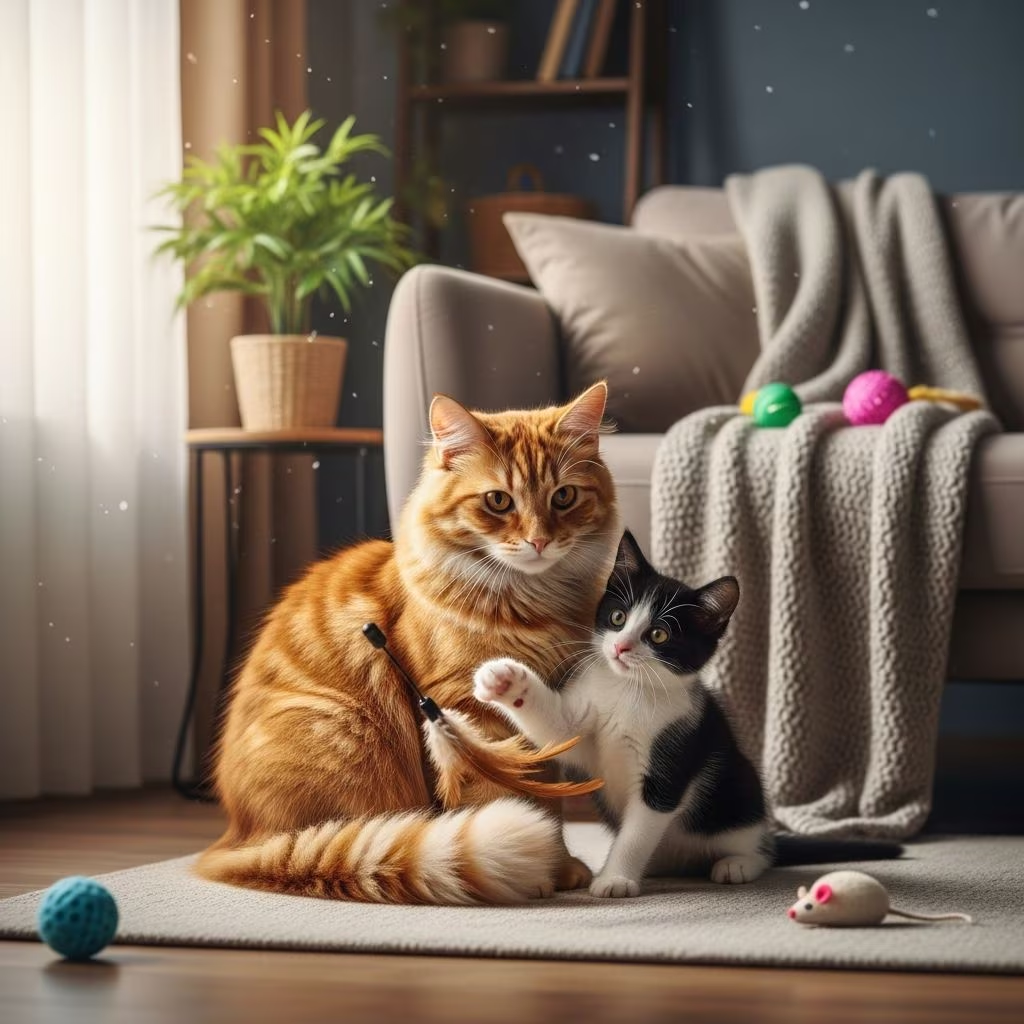
Bringing a cat into your home requires more than just food and shelter; it demands thoughtful socialization to foster a trusting, affectionate relationship. Socialization involves acclimating felines, especially kittens, to human presence, household sounds, and other animals through positive experiences. This process helps prevent fear-based behaviors like hiding or aggression, creating a well-adjusted pet.
Understanding Feline Social Development Stages
Cats progress through distinct behavioral phases that influence their adaptability. The prime socialization period spans from 2 to 7 weeks of age, when kittens are most receptive to new stimuli. During this window, frequent gentle handling and exposure to varied environments imprint positive associations, making future adjustments easier. As kittens age beyond 8-12 weeks, socialization becomes more challenging but remains possible with patience.
Signs of a well-socialized cat include relaxed postures, vocalizations like meowing, tail raising, rubbing against people, and playful engagement. Conversely, unsocialized cats exhibit flattened ears, pupil dilation, swiping, or fleeing. Recognizing these cues allows owners to tailor interactions effectively.
Creating a Secure Starting Environment
Begin socialization in a confined, safe area like a bathroom or spare room equipped with essentials: food, water, litter box, and cozy bedding. This setup minimizes hiding spots while providing security, encouraging exploration without overwhelm. Limit initial interactions to short sessions, gradually expanding the space as confidence builds.
- Position resources in easy-to-reach spots to associate your presence with comfort.
- Use soft lighting and quiet to reduce stress.
- Include climbing perches or scratching posts for natural behaviors.
Building Trust Through Gentle Handling
Approach at your cat’s level with slow movements and a soothing voice to avoid startling. Sit or lie down nearby, extending a hand for sniffing before petting the head or shoulders—avoid the belly initially. Pair touches with high-value treats delivered within seconds to link handling with rewards.
Progress to full-body grooming simulations, lifting under the chest smoothly, and rewarding tolerance. If tension arises, pause and retry later. Consistency reinforces that human contact means safety and pleasure.
| Socialization Technique | Best Age | Expected Response |
|---|---|---|
| Gentle Petting | 4-8 weeks | Purring, head butting |
| Body Handling | 6-12 weeks | Relaxed limbs, no flinching |
| Lifting Practice | 8+ weeks | Calm hanging, no clawing |
Leveraging Food and Treats for Positive Associations
Food is a powerful motivator. Hand-feed meals or use treats like wet food squeezes, lickable purees, or meat bits during interactions. Offer treats for sniffing new objects, tolerating sounds, or allowing touch. Vary treat types to maintain interest—soft, crunchy, or flavored options keep sessions engaging.
Integrate feeding with novel experiences: play doorbell recordings at low volume, treat calm reactions, and gradually increase intensity. This conditions felines to view household commotion as non-threatening.
The Power of Interactive Play in Bonding
Play mimics hunting, channeling energy while building confidence. Use wand toys with feathers or strings for distance play, preventing hand-biting habits. Alternate air-chasing (bird-like) and ground pursuits (rodent-style) to match preferences. Sessions end with a meal to simulate successful hunts and promote cooldown.
- Rotate toys weekly to simulate novelty.
- Hide and rediscover items for excitement.
- Engage all senses with crinkly papers or scented toys.
Avoid over-arousal; monitor for dilated pupils or stiff tails, then de-escalate. Play with one cat at a time initially, especially in multi-pet homes.
Gradual Introductions to New People
Expose kittens to visitors one at a time in controlled settings. Instruct guests to sit quietly, use indirect eye contact, and offer treats or toys. Let the cat initiate contact—never force cuddles. Positive stranger interactions teach adaptability to diverse humans.
For shy adults, repeat short exposures, rewarding approach with play or food. Patience prevents setbacks; overwhelmed cats regress quickly.
Navigating Multi-Pet Households
Introducing cats requires scent swapping first: exchange bedding between animals. Progress to supervised visual access through barriers, then shared play sessions starting with one engaged cat. Use toys or treats to maintain positive focus during meetings.
Monitor body language—hissing signals space needs. Equal attention prevents jealousy, ensuring harmonious coexistence.
Desensitizing to Everyday Stimuli
Acclimate to vacuums, doorbells, or grooming tools via gradual exposure paired with rewards. Start faint, treat relaxation, and build tolerance. Introduce textures like grass or tile under supervision. Vaccinate before group playdates.
Common Pitfalls and How to Avoid Them
Steer clear of punishment, which erodes trust. Don’t rush exposures or use hands as toys. Overstimulation leads to scratches; recognize stress signals early. Track progress in a journal for adjustments.
Long-Term Maintenance of Social Skills
Ongoing play, handling, and social outings sustain socialization. Enroll in kitten classes or foster programs for enrichment. Adult ferals may need months but respond to routine positivity.
Frequently Asked Questions
Can older cats be socialized?
Yes, though slower. Focus on daily positive interactions; many ferals become affectionate over time.
What if my cat hisses during sessions?
Back off and shorten sessions. Resume with treats to rebuild comfort.
How often should I socialize a kitten?
Multiple 5-10 minute sessions daily during the critical window.
Is pairing kittens better?
Often yes; they entertain each other, easing human bonding.
What toys work best?
Wand toys, balls, boxes—prioritize interactive over solo.
References
- The Cat Socialization Continuum: A Guide to Interactions Between … — Alley Cat Allies. 2023. https://www.alleycat.org/resources/cat-socialization-continuum-guide/
- How to Socialize a Kitten | Socializing Cats Tips — Blue Buffalo. 2024. https://www.bluebuffalo.com/articles/cat/turning-scaredy-cats-into-social-butterflies/
- Kitten Socialization Checklist — San Diego Humane Society. 2024. https://sdhumane.org/resources/kitten-socialization-checklist/
- The Do’s and Don’ts of Introducing Cats — Jackson Galaxy. 2023. https://www.jacksongalaxy.com/blogs/news/the-dos-and-donts-of-introducing-cats
- How to Introduce and Socialize Cats and Kittens — ASPCA Pet Insurance. 2024. https://www.aspcapetinsurance.com/resources/how-to-socialize-your-cat/



