

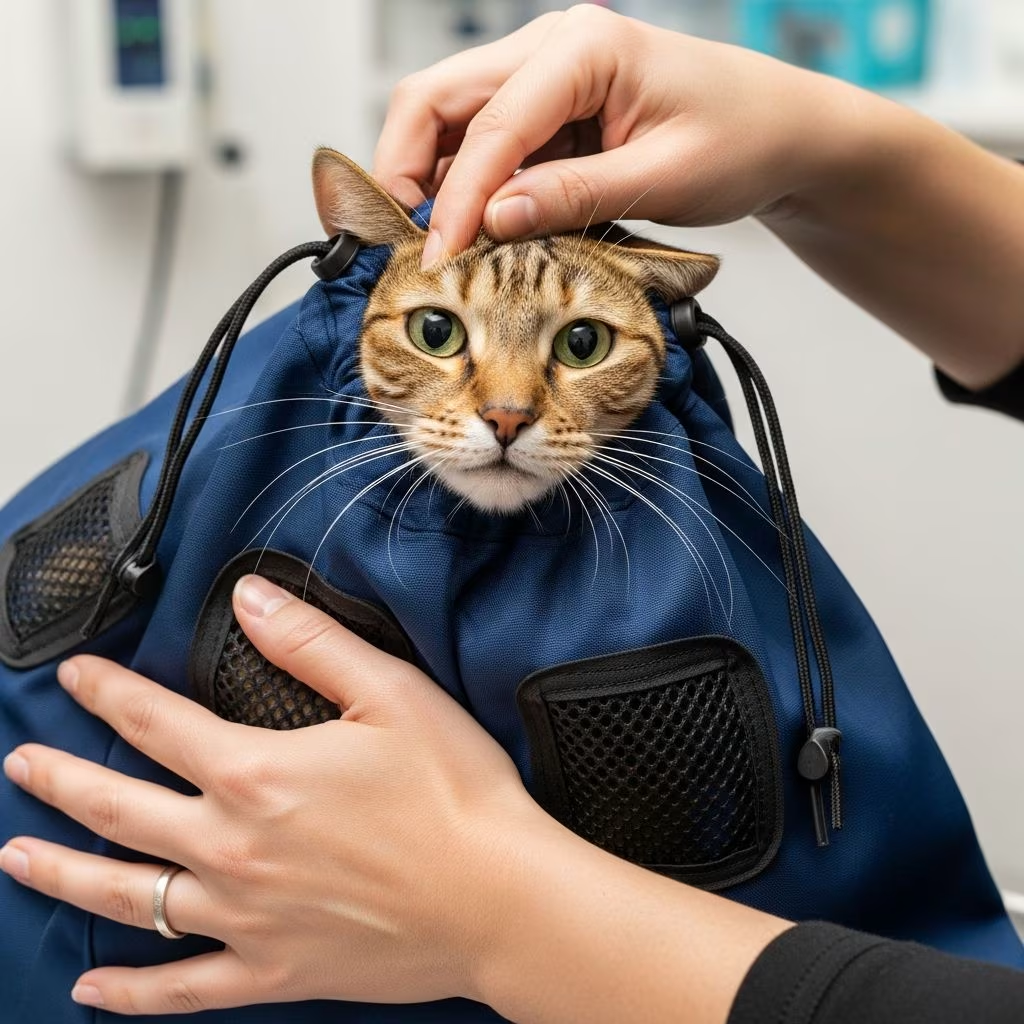
Cat restraint bags offer a humane way to secure felines during procedures like nail trimming, injections, or blood draws, prioritizing animal welfare and handler safety. These tools, often made from durable nylon with strategic zippers, allow access to specific body parts while containing the cat’s movements.
Why Choose Restraint Bags for Feline Care
Fearful cats may huddle, hiss, or attempt escape, escalating risks for both pet and owner. Restraint bags provide controlled confinement, reducing panic compared to manual holding. Veterinary guidelines emphasize low-stress handling, noting bags as alternatives to scruffing, which can aggravate cats.
Benefits include one-person operation, padded interiors for comfort, and multiple access points. For fractious cats, combining with towel wraps enhances efficacy. Studies and expert panels recommend them for venipuncture or minor procedures when towels alone fail.
Types of Cat Restraint Bags Available
Bags vary by size, material, and features. Basic models feature full zippers enclosing the body, while advanced ones include Velcro collars, carrying straps, and four leg ports plus body openings. Shelter and clinic PDFs highlight nylon construction to prevent fur snags, advising caution with zippers.
| Type | Features | Best For |
|---|---|---|
| Standard Nylon Bag | Full enclosure, one zipper | General restraint |
| Multi-Access Bag | 4 leg zippers, padded lining | Injections, nail trims |
| Portable with Straps | Carrying handles, Velcro neck | Transport and exams |
Select based on cat size; loose fits reduce panic, tight ones ensure control.
Preparing Your Cat and Environment
Preparation minimizes resistance. Stay calm, close doors, and let the cat exit its carrier voluntarily. For nervous felines, use carriers with removable tops for initial security. Acclimate by placing the open bag near food, associating it positively.
- Assess cat’s demeanor: calm cats need minimal tools; aggressive ones require muzzles first.
- Gather supplies: towel, gloves (with caution, as they dull grip sense), muzzle if needed.
- Choose quiet space to avoid overstimulation.
Step-by-Step Guide to Inserting a Cat into a Restraint Bag
Follow these steps for smooth placement:
- Burrito Wrap: Swaddle in a towel, tucking legs under, covering head partially to calm.
- Position Head First: Slide cat head into bag opening, ensuring snout aligns for breathing.
- Secure Legs: Feed limbs through designated zippers if available; zip body snugly but not tightly.
- Adjust Collar: Fasten Velcro neck for stability without constriction.
- Verify Comfort: Check for relaxed breathing; loosen if thrashing occurs.
Avoid forcing; if unsuccessful, opt for sedation consultation.
Performing Common Procedures with the Bag
Nail Trims
Expose one paw via zipper, use C-grip for stability. Trim incrementally to avoid quicks. Bags prevent full-body escapes, ideal for home use.
Injections and Blood Draws
Access cephalic or saphenous veins through leg ports. One handler suffices, unlike free-handling.
Grooming and Exams
Control for brushing or mat removal; air muzzles pair well for drying. Support body weight always, never sole scruffing.
Safety Precautions and Common Mistakes to Avoid
Prioritize welfare: monitor respiration, avoid neck compression. Gloves protect but reduce feel, risking over-pressure. Never use on calm cats unnecessarily; towels suffice.
- Mistake: Rushing Insertion – Leads to scratches; prepare fully first.
- Mistake: Over-Tightening – Causes panic; fit like a firm hug.
- Mistake: Ignoring Signals – Hissing or urine indicates distress; pause and reassess.
Post-use, release slowly in safe area. Clean bag to prevent infections.
Alternatives When Bags Aren’t Ideal
Not all cats suit bags. Towel burritos mimic maternal holds effectively. Elizabethan collars deter bites without full enclosure. C-hold supports hindquarters for exams. Nets are emergency-only, risking toe injuries.
| Method | Pros | Cons | When to Use |
|---|---|---|---|
| Towel Wrap | Comfortable, no tools | Less secure | Calm cats |
| C-Hold | Minimal contact | Requires skill | Exams |
| Muzzle + Collar | Bite prevention | May stress | Aggressive cases |
Expert Insights from Veterinary Guidelines
AAFP/ISFM advises against routine bags for calm cats, favoring carrier work. Shelter vets ban compressive tools on small animals. Proceedings stress humane methods over scruffing myths. These align with low-stress handling paradigms.
Training Tips for Home and Professional Use
Practice on stuffed toys. Role-play with cooperative cats. Clinics demo C-grips and bag zips. Owners: Start young, reward post-procedure. Track reactions to refine techniques.
Frequently Asked Questions (FAQs)
Are cat restraint bags safe for home use?
Yes, when sized properly and used briefly for tasks like nail trims. They reduce injury risks.
Can I use a bag on kittens?
Select small sizes; prioritize towels for tiny ones to avoid overwhelm.
What if my cat panics inside the bag?
Unzip immediately, comfort with voice, try towel alternative. Consult vet for sedatives if recurrent.
How do I clean the bag?
Spot-wipe with mild soap; air dry. Avoid machine washing to preserve zippers.
Is scruffing ever okay with bags?
Lightly for adjustment only; support body fully.
Enhancing Long-Term Feline Confidence
Bags are tools, not substitutes for desensitization. Regular handling builds trust. Use pheromone sprays, carrier training. Positive reinforcement post-restraint fosters calm future visits.
Integrate with holistic care: vet check-ups confirm health issues mimicking fear. Multi-cat homes benefit from individual techniques.
References
- Restraint of the Dog and Cat — Vet Tech Prep. Accessed 2026. https://www.vettechprep.com/_pps/CQOXQSXRNDGGBLIA7789.PDF
- Cat Restraint Bag Product Page — VetMedWear. Accessed 2026. https://vetmedwear.com/products/cat-restraint-bag
- AAFP and ISFM Feline-Friendly Handling Guidelines — PMC (NCBI). 2024. https://pmc.ncbi.nlm.nih.gov/articles/PMC11107994/
- Safe Humane Restraint (Proceedings) — dvm360. Accessed 2026. https://www.dvm360.com/view/safe-humane-restraint-proceedings
- Animal Handling Guidelines — Association of Shelter Veterinarians. 2024-08-06. https://www.sheltervet.org/assets/docs/3__Animal_Handling_Final_06AUG2024.pdf



