
Mastering Cat Pill Administration
Discover proven techniques to give your cat medication stress-free, from food tricks to tools that work every time.
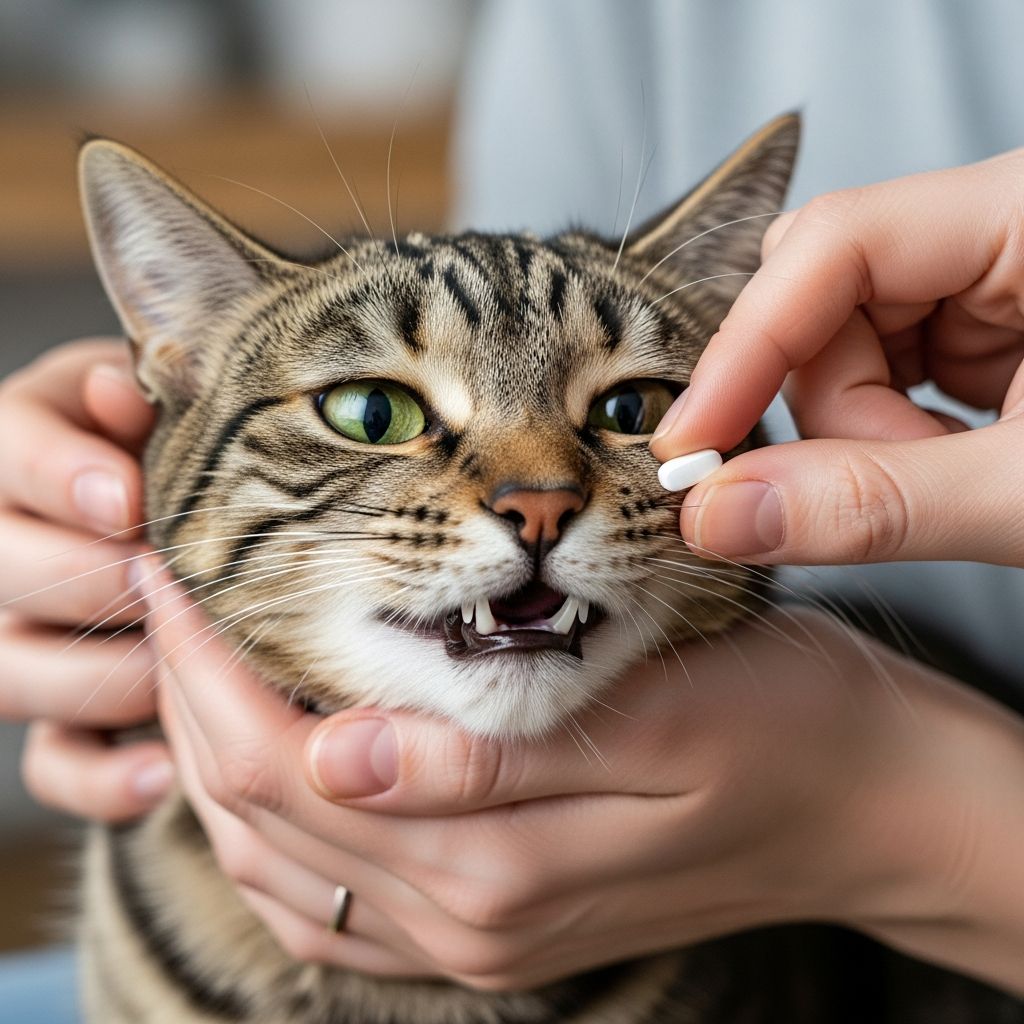
Administering oral medication to cats ranks among the most daunting tasks for pet owners. Cats often resist pills due to their keen senses and independent nature, but with the right strategies, this process becomes manageable and safe. This guide draws from veterinary expertise to equip you with practical methods, ensuring your feline receives necessary treatment without undue stress.
Why Cats Resist Medication and How to Prepare
Cats detect bitter tastes and unusual smells acutely, making plain pills unappealing. Preparation minimizes resistance: read the prescription carefully, confirm dosage with your vet, and gather supplies like treats, tools, and towels beforehand. Calm environments reduce anxiety—dim lights and quiet spaces help. Always prioritize safety by trimming claws if needed and enlisting help for feisty cats.
Effortless Methods: Hiding Pills in Food
The simplest approach involves concealing medication in enticing foods. This leverages cats’ love for flavors masking pharmaceutical tastes.
- Wet Food Meatballs: Form small balls from canned food, embedding the pill fully inside one. Use the ‘three-ball trick’: offer plain balls first and last, sandwiching the medicated one to avoid suspicion.
- Pill Pockets and Treats: Commercial treats designed for this purpose envelop pills seamlessly. Choose flavors like chicken or fish; cats often devour them whole.
- Tuna or Broth Boost: Mix crushed pills into a tiny amount of tuna juice or low-sodium broth. Ensure full consumption to avoid partial doses.
Pro Tip: Handle plain treats with clean hands to eliminate pill residue scents. Start with tiny portions to test acceptance.
Direct Administration: Hand Techniques for Precision
When food tricks fail, manual placement ensures delivery. Practice gentleness to build trust.
- Secure Positioning: Sit with cat in lap or towel-wrap (burrito style) to limit movement. An assistant holds the body firmly against their chest.
- Head Control: Grasp head from above, thumb on one jaw side, fingers on the other. Tilt upward gently.
- Mouth Opening: Apply light pressure to jaw hinges or lower lip to part jaws. Speed matters—cats tire quickly.
- Pill Placement: Lubricate pill with butter or gravy. Drop far back on tongue (base preferred) using thumb and index finger.
- Swallow Induction: Close mouth, rub throat, blow nose softly, or syringe water/treat juice. Lip licking signals success.
For solo efforts, use a towel for leverage. Watch body language: swishing tail or flattened ears mean pause.
Advanced Tools: Pill Poppers and Giveaways
Pill givers (pet pillers) revolutionize tough administrations. These plastic syringes load pills at the tip for deep placement.
- Load pill into nozzle beforehand.
- With head tilted, insert to tongue base, depress plunger.
- Follow with swallow aids like neck massage.
Capsules suit pillers well—split, fill with crushed tablet if needed, reassemble. Affordable and reusable, they reduce scratches.
Safety Protocols During Medicating
Prevent injuries with these measures:
| Step | Safety Action | Why It Matters |
|---|---|---|
| Before Starting | Wear gloves, use towel | Protects from claws/teeth |
| During Hold | Monitor signs: growling, dilated pupils | Allows breaks, avoids escalation |
| Post-Dose | Reward immediately | Builds positive associations |
| General | Up-to-date vaccines | Reduces infection risk |
Never force if overly stressed—consult vet for alternatives.
Troubleshooting Common Issues
Spitting out? Retry calmly or switch methods. Vomiting post-dose? Note timing for vet advice—could indicate sensitivity. For ongoing meds, request liquid/compounded forms from pharmacies. Crush only if vet-approved; some coatings protect stomachs.
Beyond Pills: Alternative Medication Forms
Not all drugs need pilling:
- Liquids: Syringe into cheek pouch slowly.
- Transdermals: Vet-applied creams absorbed through skin.
- Injections/Topicals: Professional administration.
- Flavored Compounds: Custom chews or gels.
Discuss with your vet for best fit.
Building Long-Term Success Habits
Consistency pays off. Pair dosing with routines like mealtime. Use pheromone diffusers for calm. Track progress in a log: successes, refusals, side effects. Positive reinforcement—treats, play—turns dread into routine.
Frequency matters: daily meds build tolerance faster than occasional ones. Involve family for shared load.
Frequently Asked Questions
Can I crush every pill?
No—extended-release types lose efficacy. Always check label or ask vet.
What if my cat hides the pill?
Observe for undigested pill in litter. Redose if needed, but confirm with vet.
Is it okay to skip a dose?
Never—follow guidelines. Contact vet for missed schedules.
How often should I medicate on an empty stomach?
Depends on drug; food often reduces nausea.
Are pillers safe for kittens?
Yes, with smaller sizes and gentle use.
Expert Insights on Feline Medication Compliance
Veterinarians emphasize patience and positivity. Studies show food-hiding succeeds 70% initially, rising with practice. Tools like pillers cut stress 50% per owner reports. Healthier cats mean happier homes—master this skill today.
References
- How to Give a Cat a Pill: A Complete Guide With Tips — GoodRx. 2023-05-15. https://www.goodrx.com/pet-health/cat/how-to-give-a-cat-a-pill
- How To Give a Cat a Pill: A Step-By-Step Guide — PetMD. 2024-02-10. https://www.petmd.com/cat/general-health/how-to-give-a-cat-a-pill
- Giving Pills to Cats — VCA Animal Hospitals. 2023-11-20. https://vcahospitals.com/know-your-pet/giving-pills-to-cats
- How to give a cat medication — International Cat Care. 2024-01-05. https://icatcare.org/articles/how-to-give-a-cat-medication
- How To Give Your Cat A Tablet: PDSA Petwise Pet Health Hub — YouTube/PDSA. 2022-08-12. https://www.youtube.com/watch?v=D-R383L64LI
Similar Articles








Read full bio of Sneha Tete




