

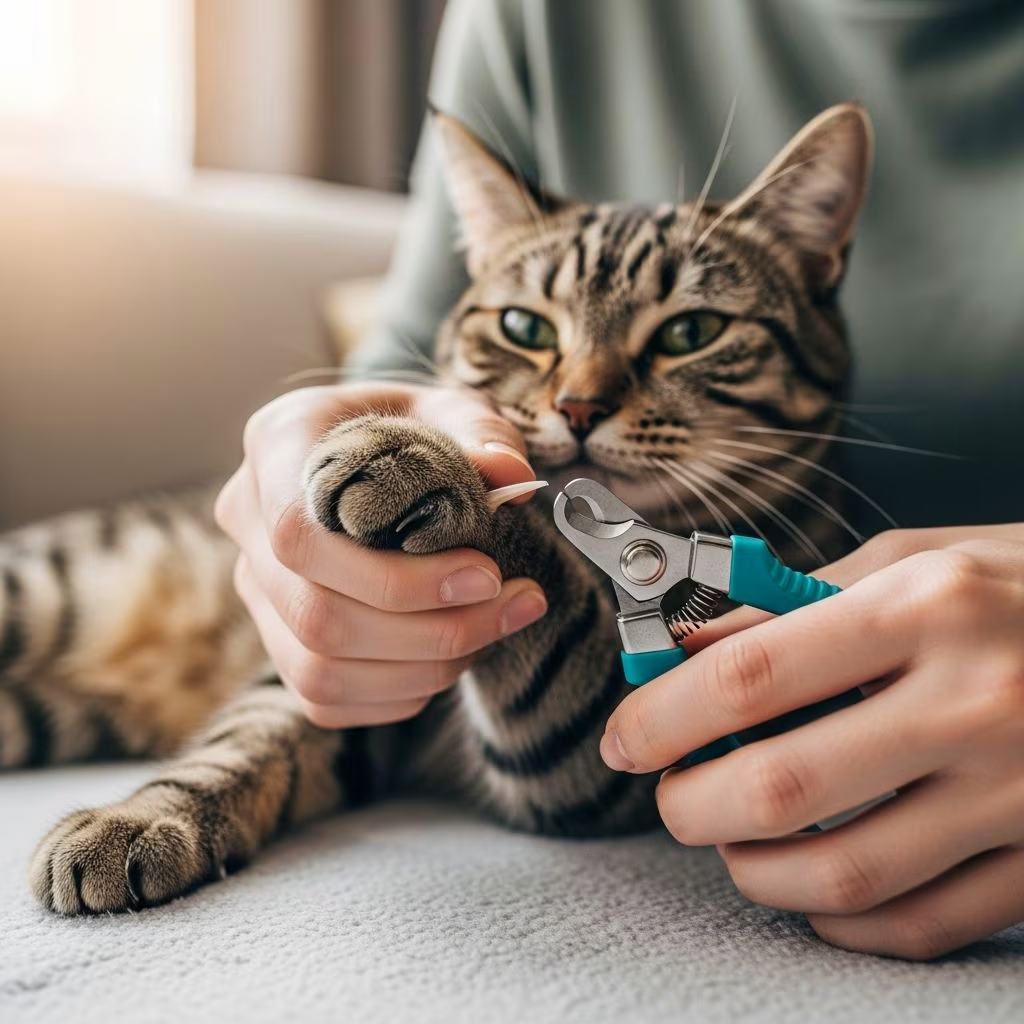
Regular nail maintenance is vital for your cat’s well-being, preventing discomfort from overgrown claws and minimizing household scratches. This comprehensive guide equips you with practical knowledge to perform safe trims, drawing from proven veterinary and grooming practices.
Why Regular Nail Care Matters for Cats
Cats naturally shed their outer nail layers through scratching, but indoor felines often lack sufficient surfaces, leading to overly long claws. Overgrown nails can curl into paw pads, cause pain during walking, or snag on fabrics, potentially resulting in tears or infections. Trimming every 4-6 weeks keeps nails blunt, promotes healthy gait, and protects furniture.
Beyond physical benefits, routine handling fosters trust between you and your cat, reducing stress during vet visits or grooming. Neglecting this can lead to dewclaw overgrowth, where the inner ‘thumb’ nail embeds into soft tissue. Early habituation ensures smoother sessions as your cat matures.
Essential Tools for Effective Nail Trimming
Gather cat-specific equipment to avoid injury and ensure clean cuts. Key items include:
- Guillotine or scissor-style clippers: Designed for feline nails, sharper than dog versions to prevent splitting.
- Styptic powder or cornstarch: Stops bleeding if the quick is nicked; cornstarch serves as a gentle alternative.
- Treats and toys: High-value rewards for positive association.
- Bright lighting: Magnifying glass optional for dark nails on black cats.
- Nail grinder: For gradual filing if clippers intimidate your cat.
Avoid human nail tools, as they crush rather than slice, causing pain and splintering. Invest in quality brands recommended by vets for durability.
Building Comfort: Desensitizing Your Cat to Paw Handling
Success starts with acclimation. Begin weeks before trimming by gently massaging paws during relaxed moments, like post-meal naps. Reward with treats to link touch with positivity. Progress to extending nails one by one without tools, praising calm behavior.
For kittens, integrate into playtime; adults may need shorter sessions. If resistance persists, use pheromone sprays or consult a vet for anxiety aids. Patience prevents aversion, making future trims feasible solo.
Optimal Setup and Positioning Techniques
Choose a quiet, well-lit room to minimize distractions. Positions vary by cat temperament:
| Position | Best For | Tips |
|---|---|---|
| Lap sit (cat facing away) | Docile cats | Secure body with non-dominant arm; extend paws naturally. |
| Burrito wrap (towel over body) | Wiggly cats | Expose one paw at a time; reduces flailing. |
| Tabletop with assistant | Large or aggressive cats | One holds, one clips; elevates for visibility. |
| Face-up between legs | Small/trusting cats | Your legs stabilize; gentle restraint. |
Test positions during practice runs. Sharp clippers and firm grip prevent slips.
Step-by-Step Nail Trimming Process
Follow this sequence for all 18 nails (5 per front paw, 4 per rear, plus dewclaws):
- Secure and extend: Squeeze paw pad gently with thumb on top of toe to protrude nail. Avoid fur interference.
- Locate the quick: Pink vascular core visible in light nails; estimate 1/8 inch beyond in dark ones. White tips indicate safe zone.
- Position clippers: At 45-degree angle mimicking natural curve for ground contact. Trim tip only, 1-2mm per cut.
- Clip decisively: Single smooth motion; repeat as needed, checking quick each time.
- Move methodically:
- Reward frequently: Treat after every paw to maintain cooperation.
Front paws first, then rear; don’t forget dewclaws higher on leg.
Sessions last 5-10 minutes; incomplete trims beat stressed attempts. Resume later.
Handling Accidents: What If You Cut the Quick?
Nicking the quick causes bleeding and yelps but rarely serious harm. Stay calm:
- Wipe blood with cloth.
- Apply styptic powder, cornstarch, or flour; press 30-60 seconds until clotting.
- Monitor; bleeding stops in minutes naturally.
Future trims: Cut shorter lengths, farther from quick. Persistent issues warrant vet check for clotting disorders.
Alternatives to Traditional Clipping
Not all cats tolerate clippers. Consider:
- Grinders: Rotary tools file gradually; acclimate to buzz first.
- Soft caps: Glue-on covers blunt nails temporarily; replace monthly.
- Scratching posts: Encourage natural wear; sisal preferred.
- Professional grooming: Salons offer low-stress services with assessment.
Combine methods for comprehensive care.
Frequently Asked Questions
How often should I trim my cat’s nails?
Every 4-6 weeks for indoor cats; monitor growth weekly.
Can I trim a kitten’s nails?
Yes, start at 4 weeks; use kitten-sized clippers.
What if my cat hates nail trims?
Desensitize gradually; seek behaviorist if extreme.
Do declawed cats need trims?
No, but avoid declawing; it’s painful and outdated.
Are rear nails necessary to trim?
Yes, though shorter naturally; prevent snags.
Integrating Nail Trims into Full Grooming Routines
Nail care complements brushing, ear cleaning, and baths for holistic health. Sequence: Brush first to relax, trim next, then ears. Weekly paw checks catch issues early. Felines with health conditions like diabetes need vet oversight.
Track progress in a journal: Dates, nails done, reactions. Adjust based on tolerance. Healthy paws mean agile, happy cats.
References
- How to Trim Cat Nails: A Step-by-Step Guide — Willow Glen Pet Hospital. Accessed 2026. https://willowglenpethospital.com/how-to-trim-cat-nails/
- Cat Manicure — HEART Animal Rescue. Accessed 2026. https://heartforanimals.org/cat-manicure/
- ASPCA Grooming 101 – Nail Trimming for Cats — ASPCA (YouTube). 2014-02-01. https://www.youtube.com/watch?v=MnQjdTWku5U
- How to Trim Cat Nails: Step-by-Step Tips From a Pro — Chewy. Accessed 2026. https://www.chewy.com/education/cat/grooming/pro-tips-for-cutting-cat-nails-a-step-by-step-guide
- Cat Grooming 101 — Michelson Found Animals. Accessed 2026. https://www.foundanimals.org/cat-grooming-101/
- Cat Grooming At the Rich Groomer — The Rich Groomer. Accessed 2026. https://therichgroomer.com/cat-grooming-at-the-rich-groomer/
- Cat Grooming Tips — ASPCA. Accessed 2026. https://www.aspca.org/pet-care/cat-care/cat-grooming-tips



