

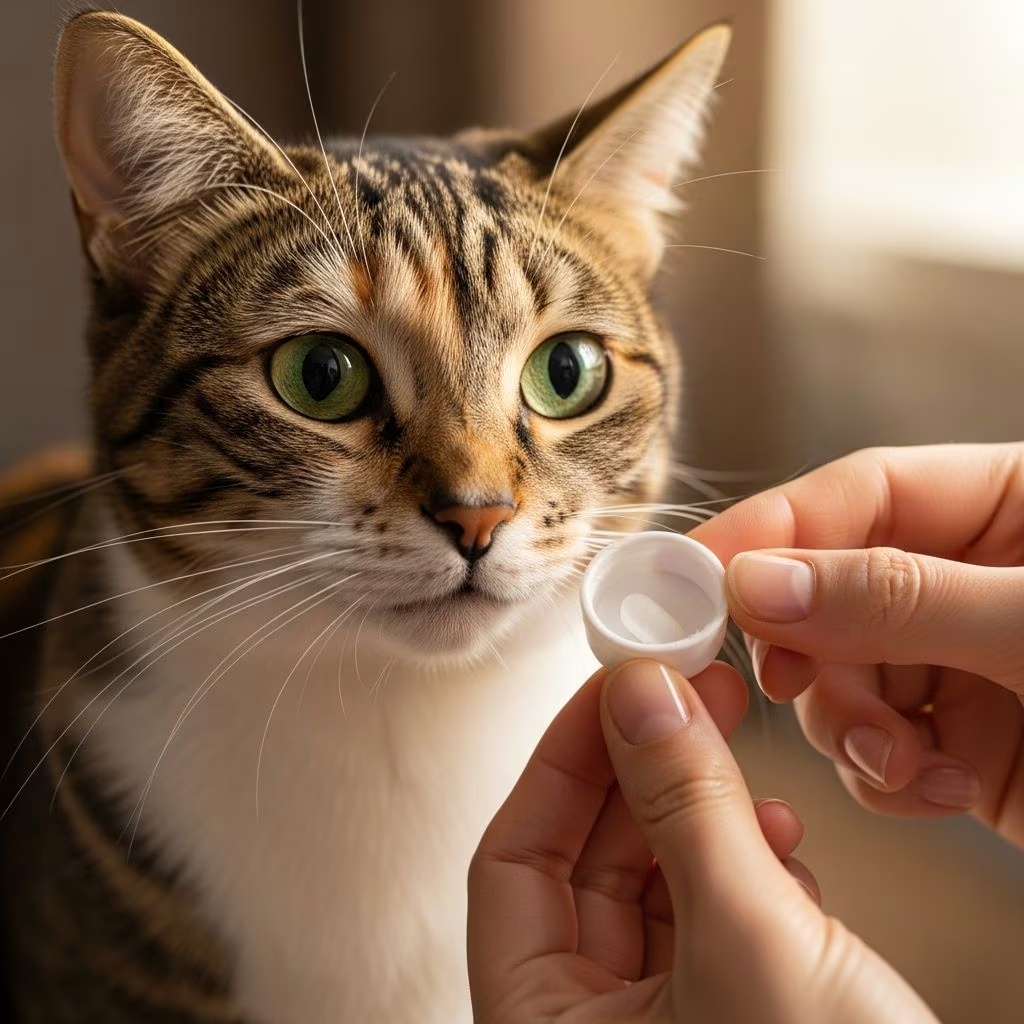
Administering medication to a cat can transform from a daunting task into a manageable routine with the right approaches. Whether dealing with pills, liquids, or resistant pets, understanding feline behavior and proven methods ensures your cat receives necessary treatments effectively.
Understanding Why Cats Need Medication
Cats often require medications for conditions like infections, chronic illnesses, or post-surgical care. Unlike dogs, cats are naturally cautious and sensitive to tastes and textures, making administration challenging. Success hinges on preparation, patience, and techniques that respect their instincts.
Preparation Essentials Before Dosing
Before starting, gather tools: oral syringes, pill poppers, gloves, treats, and towels for wrapping. Read labels carefully for dosage, storage, and administration notes. Warm refrigerated liquids slightly to improve palatability, but never microwave them. Practice with empty syringes or treat gels to desensitize your cat.
- Check expiration dates and shake suspensions well.
- Measure precise doses using vet-provided syringes.
- Have rewards ready for positive reinforcement.
Simplest Method: Hiding Medication in Food
The least stressful option is disguising medication in palatable food. This works best for liquids or crushable pills approved by your vet.
For liquids, mix into a small portion of wet food or form a ‘meatball’ with canned tuna or pate, embedding the dose in the center. Feed by hand to confirm consumption. Avoid large bowls where cats might eat partially.
For
| Method | Best For | Tips |
|---|---|---|
| Mix in wet food | Liquids | Use tiny amounts; hand-feed. |
| Food meatball | Liquids/Pills | Hide in center; strong flavors help. |
| Treat sandwich syringe | Liquids | Treat-med-treat layers. |
Direct Oral Administration Techniques
When food hiding fails, direct methods are necessary. Always prioritize calm handling to avoid scratches or bites.
Giving Liquid Medications by Syringe
Position your cat comfortably, perhaps towel-wrapped. Tilt the head gently back, insert the syringe tip into the cheek pouch (side of mouth), and dispense slowly, allowing swallows.
- Fill syringe with exact dose.
- Secure cat with assistant or towel burrito.
- Aim for back corner; squirt gradually.
- Follow with water or treat to clear mouth.
If foaming occurs from bitter taste, it’s normal; don’t redose unless none was swallowed.
Administering Pills and Tablets
Pills require precise placement on the back tongue to trigger swallowing. Use a pill giver tool for safety.
- Approach from side, grasp head gently.
- Pull lower jaw down, drop pill deep.
- Close mouth, rub throat, or blow nose lightly.
- Reward immediately.
For capsules, separate, add crushed pill inside, lubricate with butter, and administer similarly.
Handling Resistant or Stressed Cats
The Towel Burrito Technique
This restraint method minimizes stress and injury risk. Place cat in center of towel, fold sides snugly over body, leaving head free.
- Position cat standing on towel.
- Wrap one side over front legs.
- Wrap opposite side under body.
- Hold securely while dosing.
Practice without medication first, pairing with treats for positive vibes.
Role of Assistants and Distractions
An extra pair of hands stabilizes the cat, allowing focus on dosing. Use toys or background noise to distract.
Advanced Tools and Alternatives
Pill poppers extend reach safely. Transdermal gels (applied to ear) or injections may be vet-recommended alternatives for chronic needs. Compounded flavors (chicken, fish) improve acceptance.
Common Challenges and Solutions
| Challenge | Solution |
|---|---|
| Spitting out meds | Slow dispensing; follow with water. |
| Biting/scratching | Towel wrap; gloves; vet demo. |
| Refusal to eat dosed food | Stronger flavors; hand-feeding. |
| Bitter aftertaste | Treats post-dose; flavored compounds. |
Building Positive Associations Long-Term
Counter-condition by offering syringes with treats daily. Praise lavishly post-dose. Over time, cats link medication to rewards, reducing resistance.
Frequently Asked Questions (FAQs)
How often should I medicate my cat?
Follow vet instructions precisely; timings vary by drug (e.g., daily, twice daily).
Can I crush all pills?
No—check with vet; some must remain intact for efficacy.
What if my cat vomits after dosing?
Monitor; contact vet before redosing, as timing matters.
Is it safe to use human syringes?
Vet-provided ones ensure accurate dosing; clean thoroughly after.
How to store medications?
Follow label: refrigerate if needed, protect from light/heat.
Monitoring Effectiveness and Side Effects
Track doses in a log, note appetite, behavior changes. Report issues like lethargy or diarrhea to your vet promptly. Regular check-ups confirm treatment success.
Mastering these skills empowers you to support your cat’s health confidently. Consult your veterinarian for personalized advice tailored to your pet’s needs.
References
- How To Give a Cat Liquid Medicine: A Step-By-Step Guide — PetMD. 2023-10-15. https://www.petmd.com/cat/general-health/how-to-give-a-cat-liquid-medication
- How to give a cat medication — International Cat Care. 2024-05-20. https://icatcare.org/articles/how-to-give-a-cat-medication
- Tips On Oral Medication for Pets — Mindful Veterinary Care. 2023-08-12. https://mindfulveterinary.com/blog/how-to-give-oral-medication-to-dogs-and-cats-mindful-veterinary-care/
- Giving Liquid Medication to Cats — VCA Animal Hospitals. 2024-02-28. https://vcahospitals.com/know-your-pet/giving-liquid-medication-to-cats
- Cat Medication Administration Handling — Green Valley Veterinary Care. 2023-11-05. https://www.greenvalleyveterinarycare.com/services/cat-medication-administration-handling



