

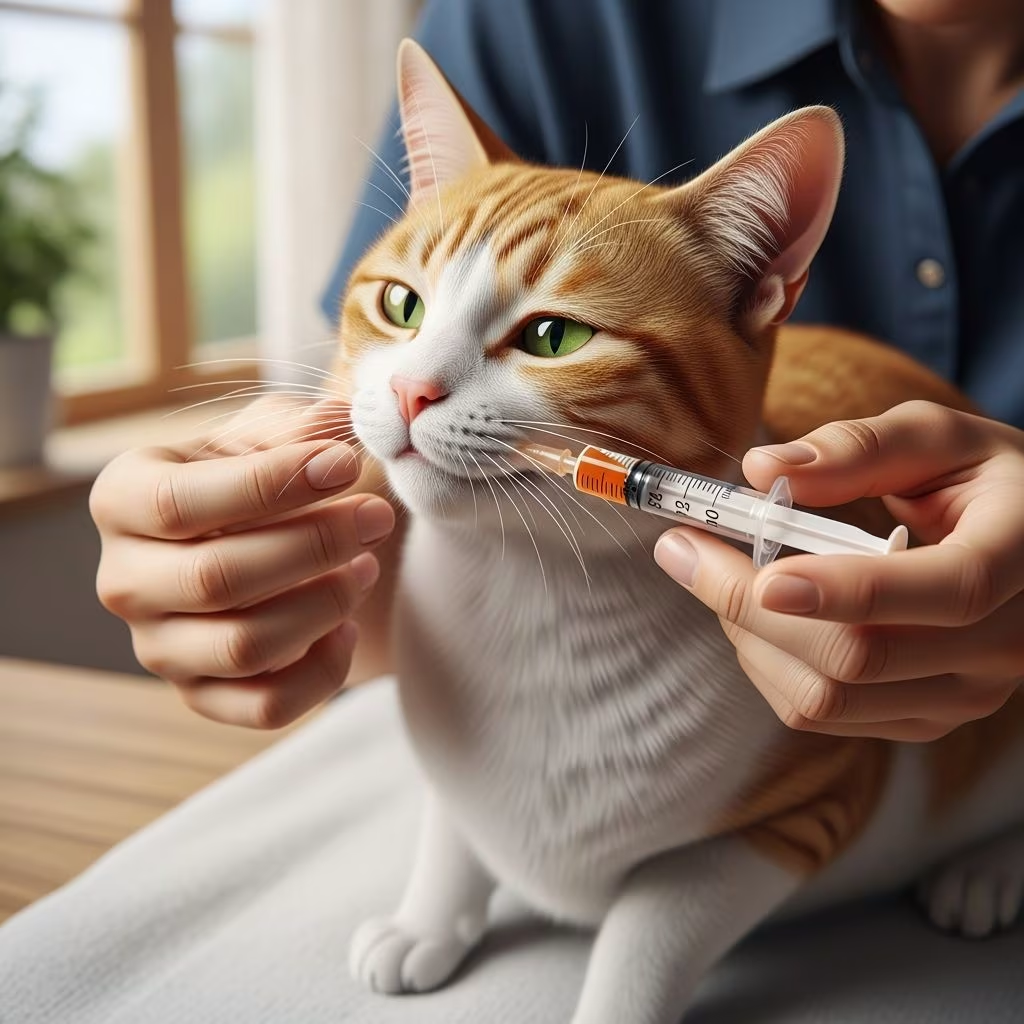
Administering medication to a cat can transform from a daunting task into a manageable routine with the right strategies. Whether dealing with oral tablets, liquid suspensions, topical treatments, eye or ear drops, or even injections, understanding your cat’s behavior and using gentle handling techniques ensures both safety and effectiveness. This guide draws from veterinary best practices to equip cat owners with practical, reliable methods.
Understanding Why Cats Resist Medication
Cats possess an acute sense of smell and taste, making bitter or unfamiliar pills particularly off-putting. Their independent nature often leads to evasion tactics during dosing attempts. Recognizing these instincts helps tailor approaches that minimize resistance. Factors like hunger levels, environmental calm, and familiarity with the process play key roles in success.
Preparation begins with consulting your veterinarian to confirm if medications can be given with food or require an empty stomach. Always verify crushing or mixing instructions, as not all tablets suit these methods.
Effortless Ways to Hide Pills in Food
The simplest starting point for cooperative cats is concealing tablets in appealing treats. Select small portions of wet food, tuna, or moldable treats to ensure complete consumption without leftovers.
- Ensure your cat is hungry by withholding food for an appropriate period, typically 12 hours if vet-approved.
- Choose strong-flavored carriers like fish-based products to mask pill odors.
- Observe closely post-feeding to confirm no pill ejection.
- For finicky eaters, crush permissible tablets (vet-confirmed only) and blend into liquids like tuna water, then syringe-feed slowly.
If food hiding fails repeatedly, transition to direct administration to guarantee dosage delivery.
Safe Restraint Techniques for Stress-Free Handling
Gentle restraint prevents scratches and reduces anxiety. A two-person approach is ideal: one holds, the other doses. Solo handlers can use towel wraps effectively.
Towel Burrito Method
- Place a soft towel on a stable surface.
- Sit the cat on it facing away, then fold sides up around the body and neck, securing legs snugly.
- Leave the head free for access.
This “purrito” calms cats by limiting movement while keeping them secure.
Lap Positioning for Calm Cats
For trusting felines, position in your lap facing away. Wrap in a blanket exposing only the head. Maintain a quiet, distraction-free space and avoid interrupting natural activities like eating or grooming.
Direct Pill Placement: Step-by-Step Mastery
When voluntary intake isn’t viable, manual pilling becomes necessary. Stay composed, as cats sense tension.
| Step | Action | Tip |
|---|---|---|
| 1. Prep | Lubricate pill with butter or gravy. | Hold between thumb and index finger. |
| 2. Grip Head | Use non-dominant hand: thumb and fingers at jaw corners, tilt upward gently. | Avoid overhead approach. |
| 3. Open Mouth | Middle finger depresses lower jaw. | Keep natural angle. |
| 4. Deposit | Drop pill deep on tongue center, back third preferred. | Triggers swallow reflex. |
| 5. Close & Stimulate | Hold jaws shut, rub throat or nose; blow lightly if needed. | Watch for lip/nose licking signaling swallow. |
If spit-out occurs, retry calmly or use tools below.
Enhancing Precision with Pill Poppers
Pill givers—plastic syringes with soft tips—extend reach safely. Load pill pre-restraint, insert to tongue base, and depress plunger. Lubricate for smooth release.
Capsule Tricks for Bitter Tablets
Encase crushed pill fragments in gelatin capsules, reassemble, and administer like standard tablets. Butter-coat for easier passage.
Administering Liquid Medications Smoothly
Liquids suit cats averse to solids. Shake bottles well, measure precisely with provided syringes.
- Secure cat via towel or lap hold.
- Insert syringe tip into cheek pouch side, behind canines.
- Disperse gradually, pausing for swallows to prevent aspiration.
- Aim for natural head position; no extreme tilting.
Flavor-enhanced liquids from vets improve acceptance.
Precision Application of Eye and Ear Drops
Eye Drops
Have treats ready for post-dose rewards. Gently extend head, pull lower lid down to form pouch, apply drops without touching cornea, then release for self-blink distribution. Wipe excess gently.
Ear Drops
Warm bottle in hands first. Fill canal, massage base thoroughly for 30 seconds to mix with wax. Prevent head-shaking with holds or Elizabethan collars.
Topical and Spot-On Treatments
For flea preventives or similar, part fur at high neck (scapular region) to evade licking. Distract with food; enlist help for steadying. Apply full dose quickly.
Navigating Injections at Home
Vet-demonstrated subcutaneous shots (under skin) are common for fluids or insulin. Use sterile technique.
- Gather sharps container, alcohol swabs, needle-syringe.
- Choose loose skin sites: scruff or flank.
- Swab, tent skin, insert needle bevel-up at 30-45 degrees, inject slowly.
- Withdraw, praise lavishly.
Never intramuscular without training. Rotate sites to avoid irritation.
Tools and Products That Simplify Dosing
- Pill pockets/treats: Pre-made edible casings.
- Compounded flavors: Vet pharmacies customize tastes.
- Auto-injectors: For chronic needs like insulin pens.
- Greenies Pill Pockets: Popular brand for masking.
Frequently Asked Questions (FAQs)
What if my cat spits out the pill?
Recheck mouth, redose if intact and calm permits. Monitor for partial absorption.
Can I crush every tablet?
No—confirm with vet/pharmacist for extended-release types.
How often should I give meds?
Follow label precisely; use timers or apps for reminders.
What if my cat associates me with dosing trauma?
Separate routines: medicate, then play/feed positively to rebuild trust.
Is towel wrapping safe for all cats?
Yes for most; avoid if respiratory issues present.
Preventing Complications and When to Seek Help
Watch for vomiting, lethargy, or allergic signs post-dose—contact vet immediately. Overdose risks underscore accurate measuring. For chronic regimens, request liquid/transdermal alternatives.
Consistent routines build tolerance. Reward heavily to associate positively. If struggles persist, professional grooming sedation or clinic visits may help.
References
- How to Give Your Cat Pills & Other Medications — Hill’s Pet Nutrition. 2023. https://www.hillspet.com/cat-care/healthcare/giving-cats-medication-and-pills
- How to give a cat medication — International Cat Care. 2024-05-15. https://icatcare.org/articles/how-to-give-a-cat-medication
- Down the Hatch—10 Tips for Medicating Your Cat — Golden Years Veterinary. 2022-08-10. https://goldenyearsvet.com/down-the-hatch-10-tips-for-medicating-your-cat/
- Giving Pills to Cats — VCA Animal Hospitals. 2024. https://vcahospitals.com/know-your-pet/giving-pills-to-cats
- The Stress-Free Way to Medicate Your Cat — Just Cats Clinic. 2023-11-20. https://justcatsclinic.com/the-stress-free-way-to-medicate-your-cat/
- Give Your Cat Liquid Medications — Wake Veterinary Medical Center. 2024-02-05. https://wakeveterinarymedicalcenter.com/give-your-cat-liquid-medications/



