

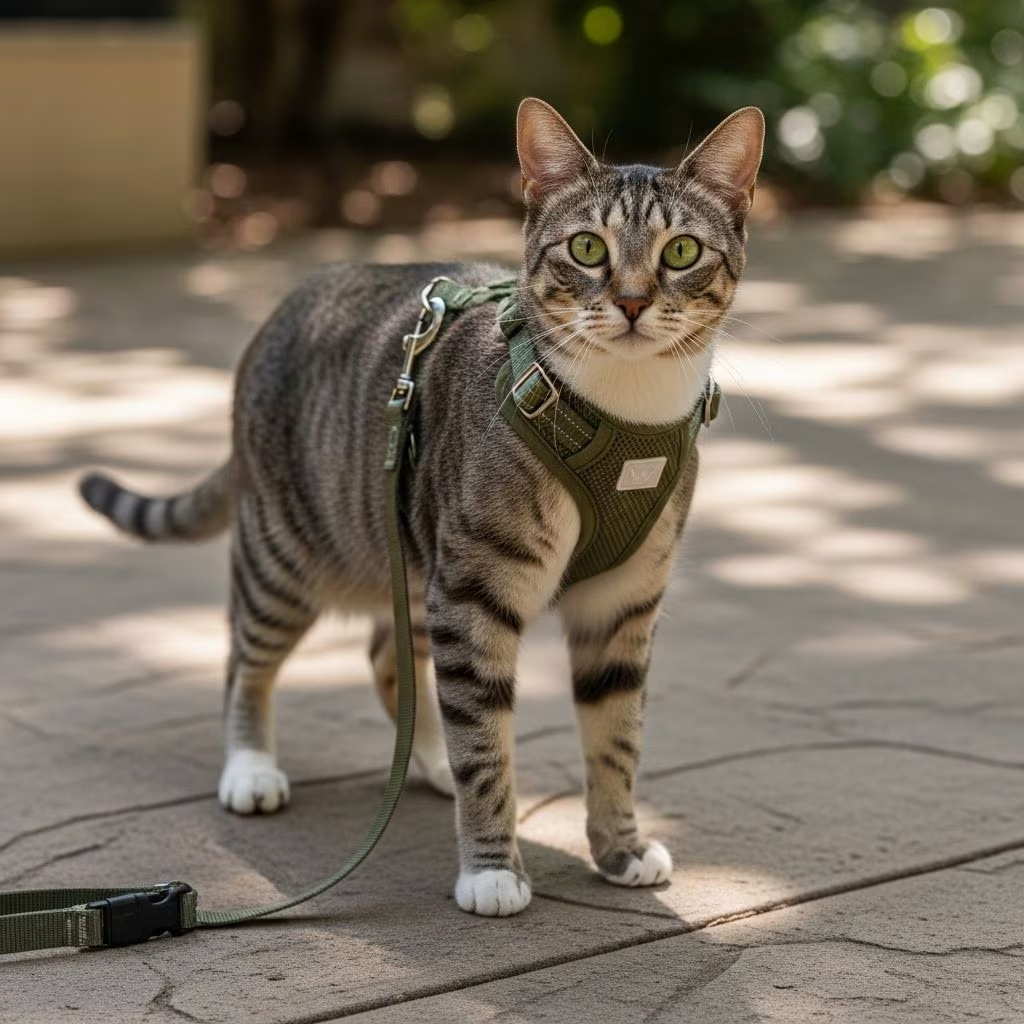
Equipping your cat with a harness opens doors to enriching outdoor experiences, from gentle strolls to supervised explorations. Unlike collars, which risk choking or slipping off, harnesses distribute pressure across the chest and shoulders, promoting safety during walks. This guide provides a fresh approach to selecting, fitting, training, and using cat harnesses effectively, drawing on practical strategies to build confidence for both you and your pet.
Why Choose a Harness Over a Collar?
Cats possess flexible skeletons that allow them to squeeze through tight spaces, making traditional collars unreliable for leashed outings. A properly designed harness secures around the torso, preventing backward escapes while allowing natural movement. Research from animal welfare organizations emphasizes that harnesses reduce injury risks compared to neck-based restraints, as they avoid pressure on the delicate throat area.
Key advantages include enhanced control without discomfort, ideal for curious indoor cats eager to experience fresh air. However, not all cats adapt equally; some may find restriction stressful due to their instinctual flight responses. Assessing your cat’s temperament beforehand ensures positive outcomes.
Selecting the Ideal Harness for Your Cat
Opt for cat-specific designs featuring adjustable straps that pass behind the front legs, thwarting common escape maneuvers like backing out. Escape-resistant models often include reinforced buckles and girth straps positioned to limit head slippage. Avoid dog harnesses, which mismatch feline anatomy and can cause chafing or poor fit.
- Adjustability: Multiple sliders for customizing to your cat’s girth and neck.
- Material: Breathable mesh or soft nylon to prevent overheating.
- Security Features: Quick-release buckles for emergencies, paired with metal D-rings for leash attachment.
- Size Range: Measure your cat’s chest (behind front legs) and neck for precision.
Test fit by ensuring two fingers slide under straps without excessive looseness. A dangling harness irritates sensitive skin, leading to resistance.
Step-by-Step Guide to Fitting a Harness
Fitting requires patience in a calm environment. Begin with your cat relaxed, perhaps during a treat session.
- Position the Harness: Place the harness flat, sliding your cat’s front legs through the leg openings like a vest.
- Secure Neck Strap: Fasten around the base of the neck, just behind the ears, snug but breathable.
- Adjust Girth Strap: Pull across the belly, positioning it midway between front and back legs; tighten until secure yet comfortable.
- Check Fit: Tug gently; the harness shouldn’t shift more than an inch. Monitor for rubbing during short indoor trials.
- Attach Leash: Clip to the back D-ring, allowing free dragging indoors under supervision.
Improper tension invites escapes: too loose permits wriggling free, too tight causes distress signals like panting or hiding. Practice daily for 5-10 minutes, rewarding calm behavior.
Essential Training Techniques for Harness Success
Harness acclimation transforms potential stress into enjoyment. Start indoors to associate the gear with positivity.
- Introduce gradually: Let the harness lie nearby, then drape over your cat without fastening.
- Use high-value rewards: Treats or play sessions reinforce tolerance.
- Short sessions build duration: Progress from minutes to hours over weeks.
- Leash dragging: Attach and supervise free movement before guided walks.
For kittens, early exposure yields best results; adults may need weeks. Watch for resistance—pausing prevents aversion. Pair with carrier training for backup safety during outings.
Preventing Escapes: Proven Leash Handling Strategies
Even secure harnesses falter under tension. Cats exploit pulls to shimmy free, so technique matters.
| Common Escape Trigger | Prevention Technique | Why It Works |
|---|---|---|
| Leash Tightens Horizontally | Keep slack; step toward cat | Removes leverage for backing out |
| Low Leash Angle | Hold high at 45° or vertical | Limits head maneuverability |
| Tangling in Obstacles | Stay vigilant; avoid bushes | Prevents self-tension |
| Unattended Tethering | Never leave alone | Eliminates independent pulling |
Practice at home: Simulate pulls by gently tugging while maintaining slack and height. This reflex saves walks. If escape looms, scoop by reeling downward from a high hold.
Outdoor Walking Best Practices
Choose quiet times and enclosed areas initially. Let your cat lead to foster trust, gradually introducing direction.
- Steer from hazards: Dogs, traffic, or climbable spots heighten risks.
- Short outings: 10-15 minutes max for beginners.
- Microchip backup: Essential if mishaps occur.
- Post-walk removal: Never leave on unsupervised to avoid snags.
Some experts caution against routine walks for flight-prone cats, prioritizing stress-free alternatives like strollers. Gauge via body language: Relaxed ears and tail signal readiness.
Troubleshooting Common Challenges
Resistance arises; address systematically.
- Bolting Attempts: Pause, comfort, retry later.
- Rubbing/Irritation: Loosen or switch padding.
- Refusal to Move: Entice with toys; don’t drag.
- Overheating: Opt for ventilated designs in warm weather.
If aversion persists, consult vets for underlying anxiety. Persistence with positives resolves most issues.
Health and Safety Considerations
Harnesses suit healthy cats; avoid post-surgery or obese felines until cleared. Regular checks prevent sores. Combine with ID tags and up-to-date vaccines for comprehensive protection.
Frequently Asked Questions
Is a cat harness truly escape-proof?
No harness is 100% foolproof, but designs with rear-leg straps and proper techniques minimize risks significantly.
How long for harness training?
Varies by cat; kittens adapt in days, adults in 2-4 weeks with consistency.
Can kittens wear harnesses?
Yes, from 8-12 weeks, using smallest sizes for gradual introduction.
What if my cat hates it?
Don’t force; build association slowly with rewards, or explore alternatives like backpacks.
Leash length recommendation?
4-6 feet for control without restriction.
Mastering harness use enriches your cat’s world safely. Consistent, empathetic training turns skeptics into explorers.
References
- Is My Cat’s Harness Escape Proof? 5 Steps To Stop Escapes — Supakit. 2023. https://supakit.co/blogs/cat-guides/cat-harness-escape-proof-stop-escapes
- Are cat harnesses and leads okay to use? — Woodgreen Pets Charity. 2024. https://woodgreen.org.uk/pet-advice/cat/are-cat-harnesses-and-leads-okay-to-use/
- Stop Your Cat from Escaping the Harness: Escape-Proof Tips — YouTube. 2023. https://www.youtube.com/watch?v=Onou8oXJ_30
- Cat harness and lead — Cats Protection. 2024. https://www.cats.org.uk/cats-blog/should-i-walk-my-cat-on-a-harness-and-lead
- 20 Cat Harness Training Tips NOBODY Tells You — Outdoor Bengal. 2024. https://www.outdoorbengal.com/blogs/adventure-cat-training/20-beginner-tips



