
Mastering Cat Harness Training
Unlock safe outdoor adventures for your cat with our comprehensive step-by-step guide to harness and leash training techniques.
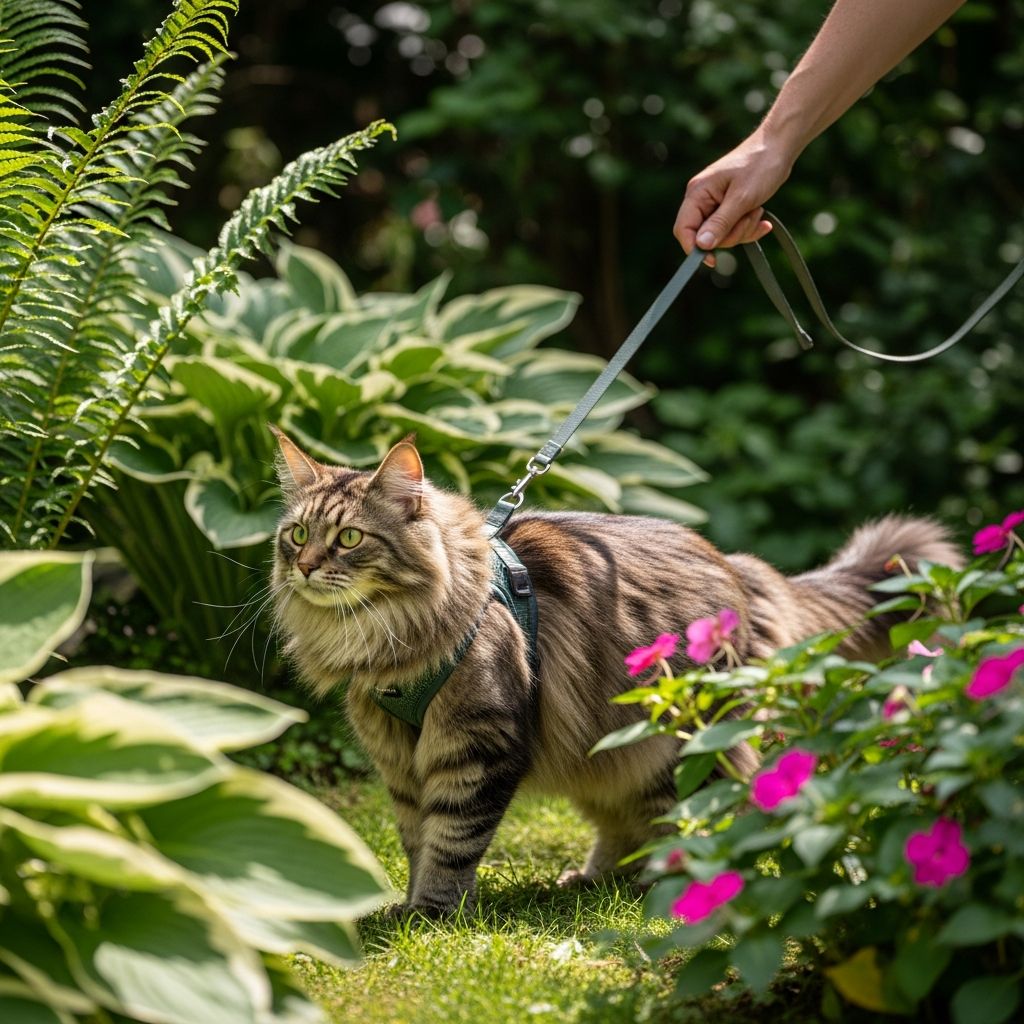
Equipping your cat with a harness opens doors to supervised outdoor exploration, providing mental stimulation and physical exercise while minimizing risks like traffic or predators. This guide outlines a patient, reward-based approach to help cats of all ages adapt to harnesses and leashes, drawing from established veterinary and animal welfare practices.
Why Harness Training Matters for Cats
Cats are naturally curious explorers, yet indoor living limits their instincts. A properly fitted harness allows safe access to fresh air, scents, and sights without the dangers of free-roaming. Unlike collars, harnesses distribute pressure across the chest, reducing injury risk during enthusiastic pulls. Studies from animal shelters emphasize that gradual training prevents stress, fostering positive associations with outdoor gear.
Benefits include improved physical health through movement, reduced boredom-related behaviors like excessive scratching, and stronger owner-pet bonds via shared adventures. Start young for best results, but adults can learn too with consistency.
Selecting the Perfect Harness and Leash
Choose a harness designed for cats, such as H-style or vest types, avoiding small dog models that may pinch or slip. Key features: adjustable straps, secure buckles, and lightweight material. Measure your cat’s girth behind the front legs and around the shoulders for a snug fit—two fingers should slide under the straps.
For leashes, opt for 4-6 foot non-retractable nylon or fabric lines to maintain control without overwhelming your cat. Retractable options come later, once mastery is achieved. Test buckles and clips for smooth operation to avoid startling noises during training.
| Harness Type | Pros | Cons | Best For |
|---|---|---|---|
| H-Style | Easy adjustability, secure fit | May rub if ill-fitted | Active cats |
| Vest-Style | Even pressure, comfy coverage | Bulkier, warmer | Escape artists |
| Step-In | Quick application | Less adjustable | Kittens |
Preparation: Building Positive Associations
Before fitting, desensitize your cat to the gear. Place the harness near their favorite spots—like bed or meal area—for 1-3 days, allowing investigation at their pace. Pair proximity with high-value treats or play to link the item with rewards.
Practice buckle sounds separately: Snap and unsnap while offering praise. If your cat approaches voluntarily, reward immediately. This phase, lasting days, ensures calm responses.
- Observe body language: Relaxed ears and tail signal readiness.
- Use pheromone sprays if anxiety appears.
- Train during low-stress times, like post-meal relaxation.
Step-by-Step Harness Introduction
Begin indoors in a quiet room. Allow sniffing, then gently lay the open harness over shoulders and chest for seconds, rewarding heavily before removal. Repeat 5-10 times daily, progressing to brief wear without fastening.
- Day 1-3: Drape and touch, 5-10 seconds max.
- Day 4-7: Fasten loosely around neck and chest; adjust while distracting with food.
- Week 2: Supervised wear for 10-15 minutes, tightening gradually.
Monitor for stress signs like flattened ears or hiding—backtrack if needed. Proper fit: Snug but finger-roomy, no slipping.
Mastering Leash Attachment Indoors
Once harness-tolerant, clip the leash and let it trail loosely. Supervise to prevent snags on furniture. Follow your cat’s lead, praising exploration. Sessions: 5 minutes, building to 20.
Progress to holding the leash slackly, walking behind without tension. Use treats to encourage movement. Indoor practice builds confidence before outdoor steps.
Pro Tips for Indoor Sessions
- Scatter toys to promote natural wandering.
- End on a high note with play or food.
- Daily consistency trumps marathon sessions.
Transitioning to Outdoor Walks
Start on calm days. Carry your cat outside initially to avoid bolting associations. Set down in a secure yard or quiet area, leash loose. Let them acclimate to stimuli like grass or wind.
Follow their pace—cats lead, you follow. Short outings (5 minutes) extend as comfort grows. Avoid busy streets early; parks or enclosed spaces ideal.
- Carry treats for novel encounters.
- Watch weather: Mild temps best.
- End voluntarily to reinforce positivity.
Common Challenges and Fixes
Cats may freeze, bunny-kick, or resist. Counter with patience:
| Issue | Solution |
|---|---|
| Freezing | Sit quietly, offer treats; shorten sessions. |
| Thrashing | Remove immediately, retry later with looser fit. |
| Leash Pulls | Never yank; stop and wait for slack. |
| Escape Attempts | Check fit; switch to vest-style. |
Age matters: Kittens adapt faster; seniors need slower pacing. Consult vets for health issues like arthritis.
Advanced Techniques for Confident Walkers
Once proficient, introduce cues like “walk” paired with leash clips. Practice turns or stops with gentle guidance and rewards. Vary environments gradually for adaptability.
Group walks with calm dogs possible after solo mastery, enhancing socialization. Track progress in a journal for motivation.
Safety Essentials for Every Outing
Scan areas for hazards: Toxins, loose dogs, escape routes. ID tag on harness, microchip updated. Limit to 30 minutes initially to prevent fatigue. Hydration and shade crucial in heat.
- Vet check-up before starting.
- Backup plan for carriers.
- Respect cat’s opt-out signals.
FAQs
Can all cats be leash trained?
Most can with patience; some prefer indoors. Assess personality first.
How long until outdoor readiness?
2-6 weeks typical, varying by cat.
What if my cat hates the harness?
Pause, rebuild associations slowly.
Is a backpack harness better?
Good for beginners; combines carrier and walking.
Retractable leashes safe?
Not initially; risk of tangles.
Harness training enriches your cat’s life safely. Consistency and empathy yield adventurous companions ready for the world.
References
- Leash Training (Cats) — San Francisco SPCA. Accessed 2026. https://www.sfspca.org/resource/leash-training/
- How to Harness Train Your Cat — Your Cat Backpack. Accessed 2026. https://yourcatbackpack.com/blogs/cat-backpack-tips-and-advice/how-to-harness-train-your-cat
- Harness Training your Cat — Animal Rescue League of Iowa. 2025-08. https://arl-iowa.org/wp-content/uploads/2025/08/Cat-Harness-Leash-Training.pdf
- Teaching Your Cat to Walk on a Harness and Leash — Cat Friendly. Accessed 2026. https://catfriendly.com/be-a-cat-friendly-caregiver/teaching-your-cat-to-walk-with-a-harness-and-leash/
- Leash Training a Cat 101 — Chewy. Accessed 2026. https://www.chewy.com/education/cat/training-and-behavior/cat-walking-101-train-cat-walk-leash
- Cat harness and lead — Cats Protection. Accessed 2026. https://www.cats.org.uk/cats-blog/should-i-walk-my-cat-on-a-harness-and-lead
Similar Articles








Read full bio of medha deb




