

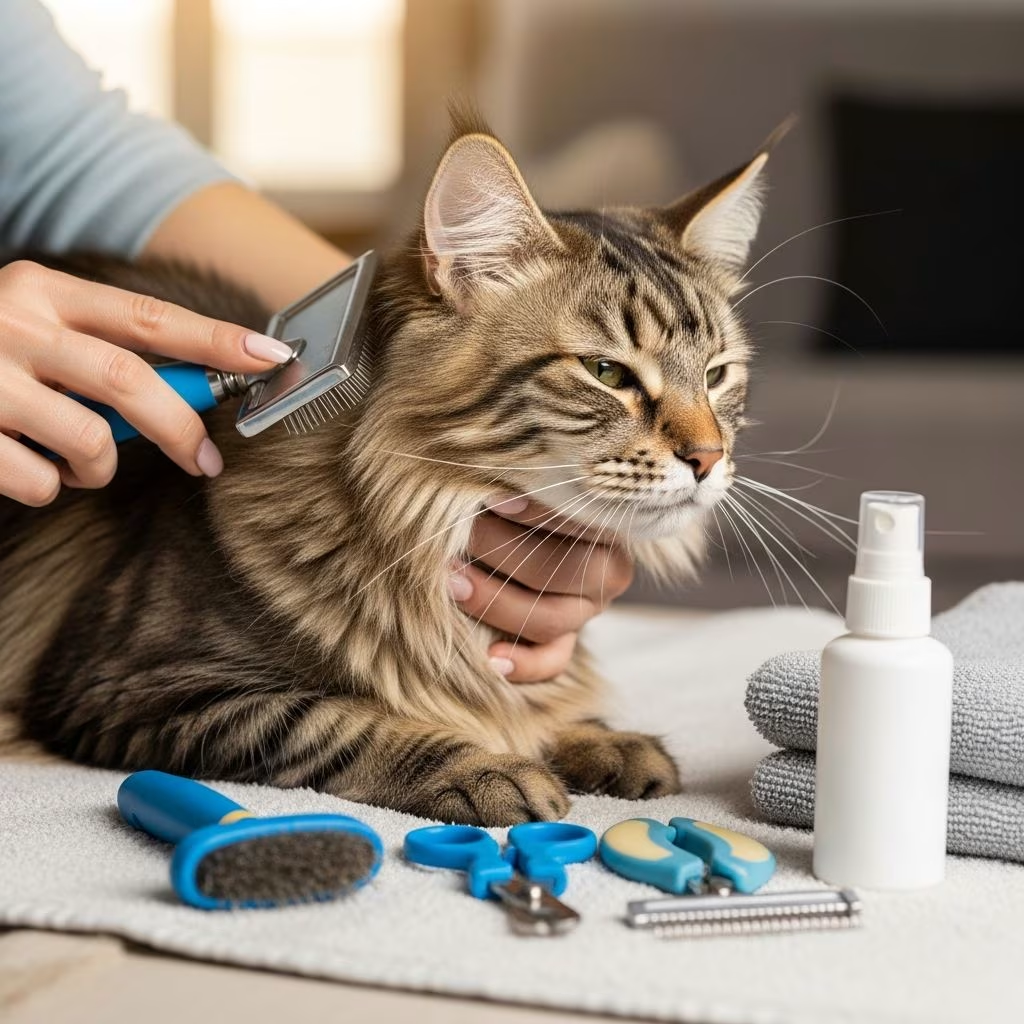
Grooming your cat goes beyond aesthetics; it promotes health by preventing matting, reducing hairballs, and enabling early detection of issues like skin irritations or parasites. Regular sessions strengthen the bond between you and your pet while distributing natural oils for a shiny coat.
Why Grooming Matters for Your Feline Friend
Cats are meticulous self-groomers, but human assistance fills gaps, especially for dense or long fur. Benefits include minimized shedding around the house, fewer ingested hairballs leading to vomiting, and improved circulation from brushing. It also allows monitoring for fleas, lumps, or wounds. For indoor cats, grooming compensates for limited natural wear on claws and teeth.
- Health Monitoring: Spot parasites or allergies early.
- Comfort Enhancement: Remove tangles that cause pain.
- Hygiene Boost: Clean sensitive areas prone to dirt buildup.
Assessing Your Cat’s Coat Type and Needs
Not all cats require the same care. Tailor routines based on fur length, lifestyle, and breed. Short-haired breeds like Domestic Shorthairs shed moderately and self-maintain well, while long-haired Persians demand daily attention to avoid painful mats.
| Coat Type | Brushing Frequency | Key Challenges | Recommended Tools |
|---|---|---|---|
| Short-Haired | Weekly | Shedding, nail overgrowth | Soft bristle brush, grooming glove |
| Medium-Haired | 2-3 times weekly | Minor tangling, dirt accumulation | Metal comb, rubber brush |
| Long-Haired | Daily | Matting, hairballs | Slicker brush, wide-tooth comb |
| Hairless | As needed (bathing focus) | Skin oils, wrinkles | Soft cloth, hypoallergenic wipes |
Outdoor cats may need more frequent checks for debris or injuries, whereas seniors benefit from gentle handling to avoid joint stress.
Essential Tools for Effective Cat Grooming
Invest in quality, cat-specific items to make sessions efficient and safe. Avoid human products, which can irritate sensitive skin.
- Brushes: Slicker for long fur to detangle; bristle for short to remove loose hair.
- Combs: Wide-tooth for mats, fine-tooth for fleas.
- Nail Clippers: Guillotine-style with safety guards; styptic powder for mishaps.
- Bathing Supplies: Cat shampoo, non-slip mat, sprayer attachment.
- Extras: Dental kits, ear wipes, detangling sprays.
Pro tip: Opt for ergonomic handles to reduce hand fatigue during longer sessions with fluffy breeds.
Building a Positive Grooming Routine
Start young if possible—kittens adapt easily. For adults, begin with 2-5 minute sessions, using treats and praise to associate grooming with positivity. Choose quiet times when your cat is relaxed, like post-meal naps.
- Prepare tools and treats nearby.
- Gently handle paws, ears, and mouth daily without tools to desensitize.
- Progress to short brushing, rewarding calm behavior.
- Extend duration gradually over weeks.
A calm environment with dim lights and soft music minimizes stress. If resistance persists, consult a vet for anxiety aids.
Brushing Techniques Tailored to Coat Length
Brush in the direction of fur growth to avoid discomfort. Divide the body into sections: head, back, sides, belly, legs, tail.
Short-Haired Cats: Weekly 10-minute sessions with a rubber or bristle brush capture dead hair effectively, reducing litter tracking. Focus on chest and abdomen for hidden shed.
Long-Haired Cats: Daily combing from belly upward prevents undercoat mats. Use fingers to part fur and check skin. Trim sanitary areas monthly to avoid soiling.
Always end with a wipe-down to remove dust. Frequency increases in shedding seasons like spring and fall.
When and How to Bathe Your Cat
Most cats rarely need baths unless soiled, oily, or medically advised. Over-bathing strips protective oils, causing dry skin.
Preparation: Trim nails, brush thoroughly, assemble lukewarm water (chest-deep), shampoo, towels, and a helper.
Step-by-Step:
- Place non-slip mat in sink or tub.
- Wet body (avoid head), lather gently, rinse completely to prevent residue itch.
- Towel-dry vigorously; use low-heat blow dryer if tolerated, at distance.
Frequency: 4-6 weeks for longhairs; rarely for others. Hairless breeds need weekly wipe-downs.
Mastering Safe Nail Trimming
Overgrown claws snag furniture and injure owners. Trim every 2-4 weeks, avoiding the quick (pink vein inside nail).
Steps:
- Wait for sleepy moments; massage paws first.
- Press pad to extend claw; clip 2mm tip only.
- Do 2-4 nails per session; praise liberally.
- Front dewclaws (thumb-like) grow fastest—check separately.
Bleed? Apply styptic powder. Scratches provide natural filing; provide posts.
Caring for Eyes, Ears, Teeth, and Anal Glands
Holistic grooming covers more than fur.
- Eyes: Wipe corners daily with damp cloth if crusty; green discharge signals infection.
- Ears: Weekly swab outer ear with solution; dark wax or odor needs vet.
- Teeth: Brush 2-3 times weekly with enzymatic paste; offer dental treats.
- Anal Glands: Expressed during baths if scooting occurs; vet for chronic issues.
These checks prevent costly health problems.
Troubleshooting Common Grooming Challenges
Mats: Spray detangler, cut parallel to skin if small; pro groomer for large.
Aggression: Shorten sessions, use pheromone sprays.
Excess Shedding: Check diet for omega-3s; rule out allergies.
Skin Problems: Flea comb weekly; vet for persistent flakes.
Nutrition’s Role in Grooming Success
A diet rich in proteins, fatty acids, and biotin supports lustrous fur, easing grooming. Hydration prevents dry skin; wet food helps. Supplements only if vet-recommended.
FAQs
How often should I groom my short-haired cat?
Once a week suffices for brushing and nail checks.
Can I use human shampoo on my cat?
No—it’s too harsh; always use feline-specific formulas.
What if my cat hates nail trims?
Practice paw handling daily and trim gradually with breaks.
Do hairless cats need grooming?
Yes, focus on skin cleaning and oil removal weekly.
How to handle matted fur?
Detangle gently or seek professional help to avoid pain.
References
- Understanding Your Cat’s Grooming Needs: The Complete Guide — Jazz’s Wonderland. 2023. https://www.jazzswonderland.com/blog/understanding-your-cats-grooming-needs-a-complete-guide
- Grooming a Cat: A Guide to Bathing, Brushing & Trimming Nails — Purina. 2024-01-15. https://www.purina.com/articles/cat/health/routine-care/grooming-a-cat
- The Ultimate Guide to Cat Grooming: Frequency and Tips for Pet Owners — TICA. 2023-05-20. https://tica.org/blogs/the-ultimate-guide-to-cat-grooming-frequency-and-tips-for-pet-owners/
- Cat Grooming Tips — ASPCA. 2024. https://www.aspca.org/pet-care/cat-care/cat-grooming-tips
- Cat Grooming: A Comprehensive Checklist — PrettyLitter. 2023-11-10. https://www.prettylitter.com/blog/cat-grooming-a-comprehensive-checklist
- Complete Guide to Cat Care: Expert Tips — The Rich Groomer. 2024-02-01. https://therichgroomer.com/rich-groomer-blog/complete-guide-to-cat-care-expert-tips-from-the-rich-groomer-leading-cat-groomers-in-sacramento-2/



