

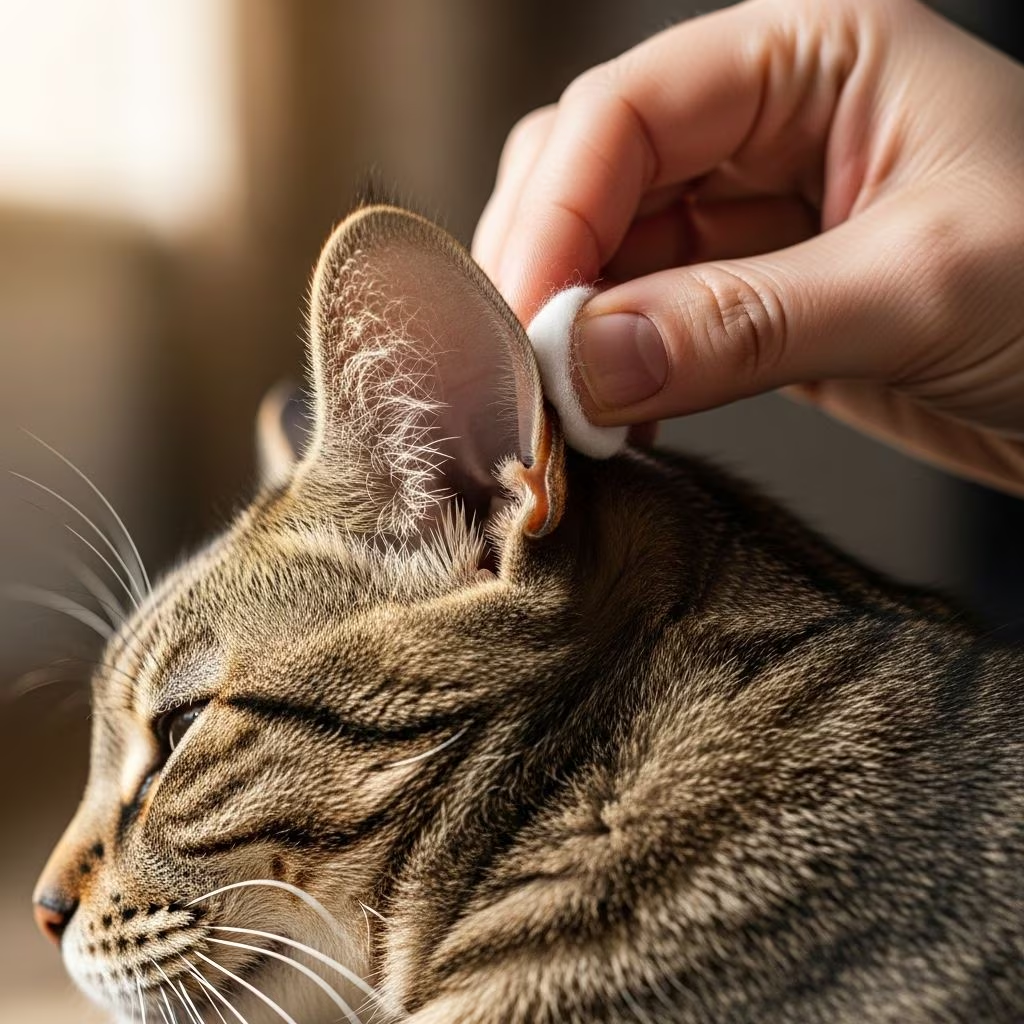
Proper ear maintenance is a vital aspect of feline grooming that helps prevent discomfort and serious health complications. Cats’ ears are delicate structures prone to wax buildup, debris accumulation, and infections if neglected. Regular cleaning removes excess material and allows early detection of problems, ensuring your pet remains comfortable and active.
Why Ear Hygiene Matters for Cats
Feline ears consist of an outer flap, vertical canal, and horizontal canal leading to the eardrum. Natural earwax protects against bacteria, but overproduction or moisture can lead to blockages. Neglected ears may develop yeast or bacterial overgrowth, mites, or allergies, causing head shaking, scratching, or balance issues. Routine care promotes overall well-being and reduces veterinary visits.
Breeds with folded ears, like Scottish Folds, or those in humid environments face higher risks. Light-colored cats may show more visible debris. Starting gentle cleanings early acclimates kittens to the process, making it less stressful later.
Recognizing When Your Cat Needs Ear Attention
Observe your cat daily for subtle changes. Healthy ears appear pink, clean, and odor-free. Warning signs include:
- Dark, crumbly, or coffee-ground-like discharge
- Foul smells resembling yeast or infection
- Redness, swelling, or scabs on the flap or canal entrance
- Excessive head shaking, tilting, or pawing at ears
- Hearing loss, balance problems, or sensitivity to touch
If symptoms persist beyond a day or two, or if you see blood, pus, or deep canal involvement, halt home cleaning and seek professional evaluation. Vets use otoscopes for thorough exams and may perform cytology to identify pathogens.
Gathering the Right Tools and Products
Stock up on vet-recommended items for safe sessions:
- Ear cleaning solution: Formulated for cats, with drying agents to prevent moisture buildup. Avoid human products, hydrogen peroxide, alcohol, or vinegar mixes, which irritate sensitive skin.
- Cotton balls or gauze squares: Soft, absorbent, and disposable to prevent cross-contamination.
- Treats and toys: For positive reinforcement.
- Towel or mat: To manage shakes and messes.
Consult your vet for brand suggestions tailored to your cat’s needs, especially if allergies or recurrent issues exist. Never use cotton swabs, as they risk perforating the eardrum or compacting debris deeper.
Preparing Your Cat for a Positive Experience
Success depends on calm handling. Choose a quiet time when your cat is relaxed, like post-meal. Test tolerance by touching ears gently over days. Use these restraint techniques:
| Method | Description | Best For |
|---|---|---|
| Lap Hold | Sit with cat facing away, securing body gently. | Cooperative cats |
| Burrito Wrap | Towel around body, head exposed like a swaddle. | Wiggly or scratchy cats |
| Tabletop Hug | Cat on surface, towel-draped and held close. | Larger or strong cats |
Enlist a helper for holding if needed. Offer treats throughout to build good associations.
Step-by-Step Guide to Cleaning Cat Ears
Follow this sequence for each ear, using fresh materials per side. Sessions last 5-10 minutes.
- Inspect First: Lift the flap to check for abnormalities. Wipe visible outer debris with a dry cotton ball. Stop if issues appear.
- Expose the Canal: Gently pull the flap upward and back to straighten the vertical canal.
- Apply Solution: Fill the canal generously without inserting the bottle tip. Spillover is fine.
- Massage Thoroughly: Use fingers at the base for 20-30 seconds until you hear squishing, indicating debris breakdown.
- Allow Shaking: Release to let natural head shakes expel material. Protect yourself with a towel.
- Wipe Gently: Clean the flap and canal entrance with fresh cotton, reaching only finger-depth. Repeat until clear.
- Praise and Reward: End with pets and treats.
For heavy buildup, repeat daily for 3-5 days initially, then maintain weekly. Alternate ears if your cat tires.
How Frequently Should You Clean?
Frequency varies by individual:
- Low-maintenance cats: Monthly or as wax accumulates visibly.
- Prone breeds or environments: Weekly.
- Post-treatment: As vet directs, often daily then tapering.
Over-cleaning strips protective wax, so monitor and adjust. Puppies benefit from bi-weekly starts.
Advanced Techniques for Stubborn Buildup
For persistent debris without infection:
- Place a soaked cotton ball at the canal entrance, massaging upward to draw solution in via turbulence. Repeat until effluent clears.
- Use solutions with keratolytic agents to soften wax.
Sedation may be needed for deep flushes—vet-only territory.
Preventing Ear Problems Long-Term
Proactive steps minimize issues:
- Dry ears after baths or swims.
- Manage allergies with hypoallergenic diets.
- Control mites via monthly preventives.
- Trim hair around entrances in fluffy breeds.
Annual vet ear exams during checkups catch silent problems early.
When to Call the Vet Immediately
Home care isn’t a cure-all. Urgent signs include:
- Pain on touch or yelping
- Neurological symptoms like circling or nystagmus
- Discharge with blood or pus
- No improvement after a week of cleaning
Vets may prescribe antifungals, antibiotics, or steroids, plus professional cleanings under sedation.
Common Mistakes to Avoid
Steer clear of:
- Probing deep with tools—risks trauma.
- Home remedies—many harm more than help.
- Forcing resistant cats—builds fear.
- Ignoring one ear—bilateral issues common.
Frequently Asked Questions
Can I use baby oil or olive oil for cleaning?
No, oils trap moisture and promote infections. Stick to vet-approved cleaners.
What if my cat hates ear cleaning?
Desensitize gradually with touch and treats. Consider vet demos or calming pheromones.
Is ear cleaning necessary for indoor cats?
Yes, indoor cats still produce wax and face allergy risks.
How do I know if it’s mites vs. infection?
Mites cause dark, gritty discharge; infections smell yeasty. Vets confirm via microscopy.
Should I clean after flea treatments?
Yes, if ears were involved, but wait 48 hours post-topicals.
Building a Routine for Lifelong Ear Health
Incorporate ear checks into weekly grooming alongside brushing and nail trims. Track changes in a pet journal. Healthy ears contribute to a vibrant cat life—alert hearing aids hunting play and navigation. With consistency, you’ll foster trust and spot issues swiftly, keeping vet bills low and cuddles high.
References
- Instructions for Ear Cleaning in Cats — VCA Animal Hospitals. 2023. https://vcahospitals.com/know-your-pet/instructions-for-ear-cleaning-in-cats
- Complete Guide on How To Clean Your Cat’s Ears — Penny Paws. 2024. https://pennypaws.com/blog/complete-guide-on-how-to-clean-your-cats-ears/
- How to clean cat ears — Banfield Pet Hospital. 2024. https://www.banfield.com/Wellness-at-banfield/Ear-care/How-to-clean-cat-ears
- Dr. Craig’s Gentle Ear Cleaning Method — Westonka Veterinary Clinic. 2020-09-01. https://westonka.vet/wp-content/uploads/2020/09/ear_cleaning.pdf
- Cleaning your cat’s ears – When and how? — DOUXO. 2024. https://www.douxo.com/sg_en/ear-skin-care/cleaning-cat-s-ears



