

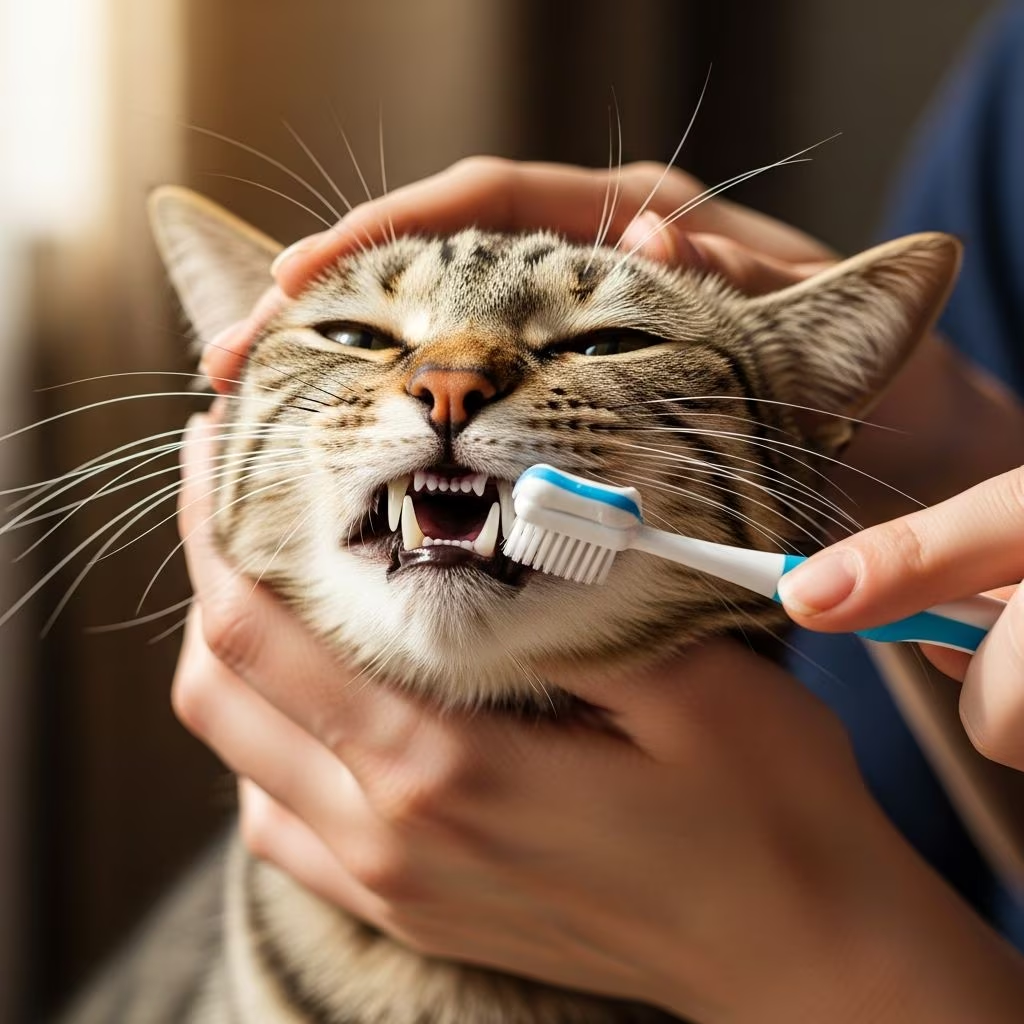
Regular dental maintenance stands as a cornerstone of feline wellness, directly influencing your cat’s overall vitality and comfort. By incorporating daily brushing into your routine, you can significantly diminish the buildup of tartar and bacteria, which often lead to painful infections and tooth loss if ignored. This comprehensive guide outlines proven strategies drawn from veterinary expertise to help you introduce and perfect tooth-brushing sessions with your cat.
The Critical Role of Oral Hygiene in Feline Health
Cats possess unique dental anatomy featuring 30 permanent teeth designed for tearing meat, yet they remain highly susceptible to plaque accumulation. Without intervention, this sticky film hardens into tartar within days, fostering gum inflammation known as gingivitis and potentially progressing to periodontitis, a severe condition affecting over 70% of cats by age three. Early dental care not only averts these issues but also prevents secondary complications like heart and kidney diseases linked to chronic oral bacteria.
Brushing targets the exterior tooth surfaces where plaque thrives most, complementing your cat’s natural tongue-cleaning action on inner areas. Consistency proves key: even partial sessions multiple times weekly yield substantial benefits over sporadic efforts.
Selecting the Ideal Tools for Effective Brushing
Equipping yourself with appropriate, cat-specific supplies ensures safety and efficacy. Human products pose risks due to toxic ingredients like xylitol and excessive fluoride, which cats cannot expel through spitting.
- Soft-bristled cat toothbrush: Opt for petite heads suited to small mouths; dual-ended designs allow versatility.
- Finger-mounted brushes: Rubber nubs provide gentle control, ideal for initial acclimation.
- Enzymatic pet toothpaste: Flavors such as poultry, fish, or malt appeal to cats while enzymes dissolve plaque chemically.
- Gauze squares or cotton swabs: Useful transitional tools for early stages.
- Rewards: High-value treats or toys reinforce positive experiences.
Acquire these from veterinary clinics or trusted pet retailers. Replace brushes every three months to maintain hygiene, and dedicate one per cat in multi-pet homes to prevent cross-contamination.
Building Trust: Preparation and Acclimation Techniques
Success hinges on gradual desensitization, transforming potential stress into a neutral or enjoyable ritual. Rushing this phase often leads to resistance, so allocate days or weeks based on your cat’s temperament.
Phase 1: Basic Mouth Familiarity
Begin in a calm environment, such as post-meal or nap time. Sit your cat on your lap or a stable surface, approaching from the side or rear to avoid confrontation. Gently stroke their head and cheeks, then lightly touch the lips with a finger for 5-10 seconds. Pair with verbal praise and a treat, repeating 2-3 times daily until relaxed acceptance emerges.
Phase 2: Introducing Textures
Progress to sliding a clean, damp finger along the gums and outer teeth. Moisten with water or tuna water (plain, no salt) for palatability. Limit to 20 seconds per session, stopping at any sign of discomfort. This mimics brushing motion without tools, building tolerance.
| Acclimation Stage | Duration | Frequency | Goal |
|---|---|---|---|
| Lip touching | 5-10 sec | 2-3x/day | Comfort with contact |
| Finger along teeth | 10-20 sec | 1-2x/day | Accept texture |
| Gauze wrap | 20-30 sec | 1x/day | Prepare for paste |
Integrating Toothpaste for Enhanced Cleaning
Once finger handling succeeds, incorporate enzymatic paste. Apply a pea-sized dab to your fingertip or gauze for licking trials. Cats typically relish the taste, associating it with positivity. Follow with gum massage to distribute evenly.
Supervet tip: Poultry or seafood varieties often outperform others; experiment to find preferences. Avoid over-application to prevent ingestion overload, though formulated pastes remain non-toxic in small quantities.
Executing the Brushing Routine: Technique Mastery
Position comfortably, tilting the head slightly upward. Use your non-dominant hand to lift the upper lip softly—no need to pry jaws open. With the brush at a 45-degree angle to the gumline, employ short circular motions or gentle sweeps along outer surfaces, prioritizing upper premolars and molars.
- Canines first: Large front teeth accumulate less plaque but serve as low-stress starters.
- Back teeth priority: Cheek-side premolars harbor most debris.
- Session length: 30-60 seconds total initially, expanding to 2 minutes daily.
- Reward intermissions: Pause midway for treats if needed.
Focus externally; the tongue self-cleans internals effectively. Rinse tools post-use and store dry.
Advanced Strategies for Challenging Cats
Nervous or senior cats may require modifications. For head-shy individuals, commence with passive handling: simply hold the head steady while offering treats, advancing slowly. Gloves protect against scratches and bacteria, while quiet evenings minimize distractions.
Incorporate play: Use brushing as a game precursor, or dip brushes in enticing liquids. Multi-cat households benefit from individual routines to tailor paces.
Complementary Dental Maintenance Methods
Brushing forms the gold standard, but integrate adjuncts for comprehensive care:
- Dental diets: Kibble engineered to scrub teeth mechanically.
- Water additives: Antimicrobial formulas reduce bacteria without brushing.
- Chew treats: Veterinary-approved options mechanically remove plaque.
- Professional cleanings: Annual vet exams with scaling under anesthesia for thorough removal.
Monitor for signs warranting immediate vet attention: bad breath, drooling, pawing at mouth, or loose teeth.
Frequently Asked Questions
How often should I brush my cat’s teeth?
Daily is optimal for plaque control, but 3-4 times weekly suffices for maintenance.
Can kittens undergo brushing?
Yes, introduce around 8-12 weeks to foster lifelong habits.
What if my cat resists strongly?
Revert to earlier phases, consult your vet for demonstrations, or explore sedation-free alternatives.
Is fluoride toothpaste safe for cats?
No—exclusively use pet-formulated enzymatic types.
How do I know if brushing works?
Observe reduced tartar, pink gums, and fresh breath; vet checkups confirm progress.
Long-Term Benefits and Monitoring
Dedicated owners report fewer dental extractions and vet bills, with cats exhibiting brighter personalities sans oral pain. Track via monthly lip inspections and photos. Adjust techniques as needed, celebrating milestones with extra affection.
Empower your cat’s health through proactive care—small daily efforts yield profound results.
References
- Brushing Your Cat’s Teeth — Cat Friendly Homes. 2023. https://catfriendly.com/how-to-brush-your-cats-teeth/
- Brushing Your Cat’s Teeth: Step-by-Step Guide and Tips — Animal Dental Specialists. 2024-02-15. https://animaldentalspecialists.com/brushing-your-cats-teeth/
- How to Brush a Cat’s Teeth — Portage Park Animal Hospital. 2023-11-10. https://www.portagepark.com/blog/how-to-brush-a-cats-teeth
- Dental Care for Cats — ASPCA Pet Insurance. 2024. https://www.aspcapetinsurance.com/resources/dental-care-for-cats/
- How to Brush Your Cat’s Teeth — DuPont Veterinary Clinic. 2023. https://dupontvetclinic.com/how-to-brush-your-cats-teeth/



