

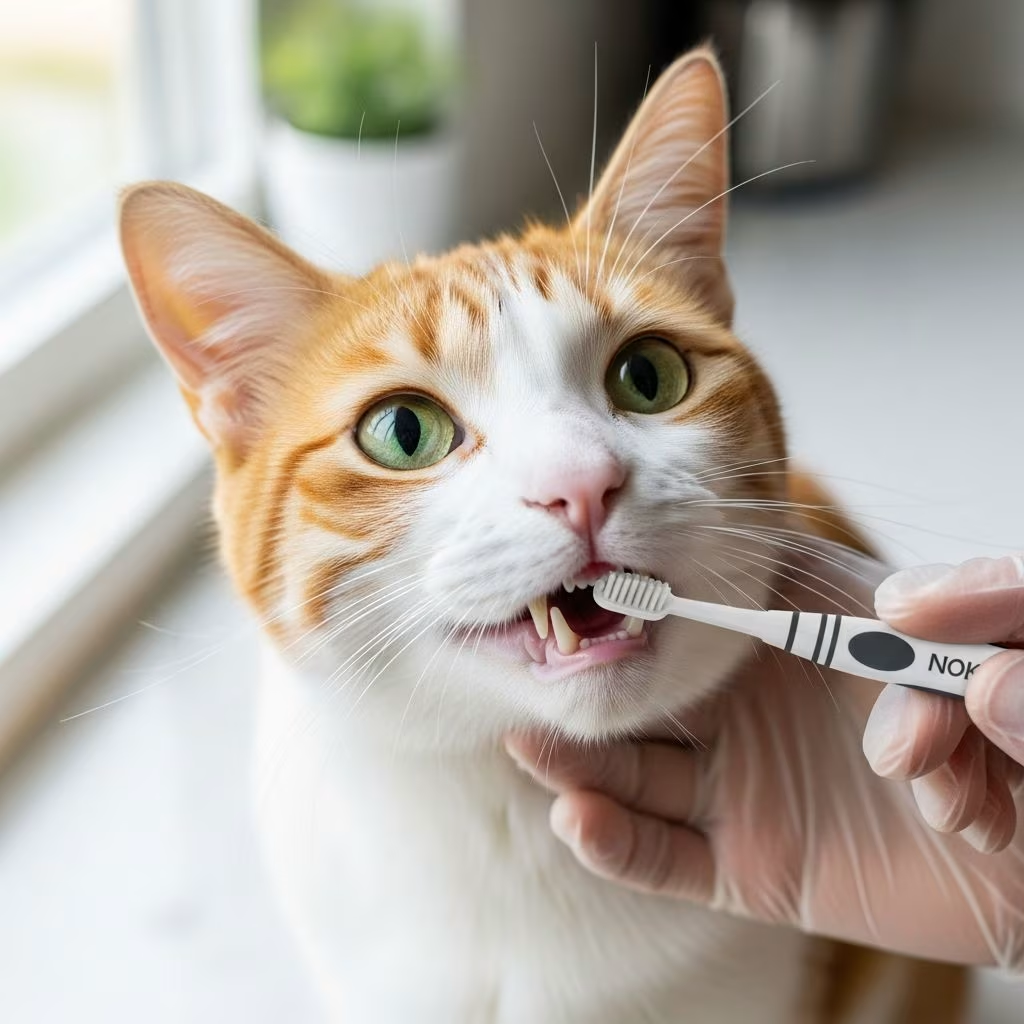
Proper oral hygiene is vital for cats, as dental problems affect up to 70% of felines by age three, leading to pain, infections, and systemic health risks. Home brushing routines, combined with veterinary oversight, form the cornerstone of prevention.
Why Feline Oral Health Matters
Cats’ teeth are prone to plaque buildup, which hardens into tartar, causing gingivitis and periodontitis. These conditions inflame gums, loosen teeth, and allow bacteria to enter the bloodstream, potentially impacting organs like the heart and kidneys. Regular care reduces these risks, improves breath, and enhances quality of life. Unlike dogs, cats often hide discomfort, making proactive maintenance essential.
Recognizing Early Signs of Dental Distress
Monitor for bad breath, drooling, pawing at the mouth, loose teeth, discolored tartar, or reluctance to eat hard food. Swollen gums or bleeding during play signal urgency. Early detection via home checks prevents progression to abscesses or extractions.
- Halitosis: Persistent foul odor indicates bacterial overgrowth.
- Appetite changes: Dropping kibble or favoring soft foods.
- Behavioral shifts: Excessive grooming or hiding due to pain.
- Visible issues: Red gums, yellow-brown buildup on molars.
Gathering the Right Tools for Success
Invest in cat-specific products to avoid toxicity. Human toothpaste contains fluoride and xylitol, which are harmful if swallowed.
| Tool | Purpose | Key Features |
|---|---|---|
| Enzymatic Toothpaste | Breaks down plaque | Chicken or fish flavors; fluoride-free |
| Finger Brush or Gauze | Gentle application | Soft, flexible; easy for beginners |
| Dual-Head Toothbrush | Reaches all surfaces | Small head for back teeth; angled bristles |
| Dental Wipes | Quick wipe-downs | Portable; no rinsing needed |
Complete kits from vets or pet stores simplify starting out.
Step-by-Step Guide to Introducing Brushing
Patience is key; adult cats may resist, but consistency yields results. Begin young for best acceptance.
- Flavor familiarization: Let your cat lick toothpaste off your finger. Praise lavishly.
- Finger massage: Rub gums and outer teeth gently for 10-15 seconds daily, building tolerance over 1-2 weeks.
- Gauze transition: Wrap gauze around finger with paste; wipe outer surfaces in circular motions.
- Full brush: Use a cat brush, lifting lips without forcing the jaw. Focus on canines and molars where tartar accumulates.
- Session end: Reward with play or treats; keep initial sessions under 30 seconds.
Position: Cradle from behind, tilting head slightly for access. Stop at stress signs like ears back or swatting.
Frequency and Technique for Optimal Results
Aim for daily brushing to minimize plaque; twice weekly maintains if daily proves challenging. Use gentle, circular strokes along the gumline, emphasizing outer teeth. Massage gums post-brushing to boost circulation and resilience. Sessions may start with one tooth, expanding gradually over weeks.
Supplementary Products and Diet Strategies
Enhance brushing with multifaceted approaches.
- Dental treats: VOHC-approved chews mechanically scrape tartar.
- Water additives: Enzymes reduce bacteria without altering taste.
- Dry kibble: Abrasive textures combat plaque better than wet food.
- Oral gels/sprays: Apply to cheeks for passive cleaning.
- Chew toys: Promote natural abrasion and stress relief.
A balanced diet supports enamel strength; consult vets for prescription dental formulas.
Overcoming Common Resistance Challenges
If brushing fails, alternatives exist. Use wipes 2-3 times weekly or focus on achievable areas. Stressed cats benefit from pheromone sprays pre-session. Never restrain forcefully—build positive associations via tuna-flavored paste or play integration. For finicky adults, vet behaviorists offer desensitization plans.
The Role of Professional Veterinary Interventions
Home care complements annual exams. Vets perform thorough cleanings under anesthesia, scaling tartar below the gumline, polishing, and X-raying for hidden resorption lesions common in cats. Older cats (>7 years) may require biannual procedures. Costs vary; early prevention reduces frequency.
Long-Term Benefits and Monitoring Tips
Consistent routines extend tooth life, cut vet bills, and avert pain-linked behaviors. Track progress with monthly lip-lifts, noting tartar reduction. Adjust based on age—seniors need gentler handling.
Frequently Asked Questions
Can all cats learn to tolerate brushing?
Most do with patience; kittens adapt fastest, but adults succeed via gradual exposure.
Is anesthesia safe for dental cleanings?
Yes, modern protocols minimize risks, enabling comprehensive care unattainable awake.
What if my cat swallows toothpaste?
Pet formulas are safe; avoid human varieties entirely.
How do I know if professional cleaning is needed?
Vet exams detect subclinical issues; schedule yearly.
Are dental treats enough without brushing?
They help but don’t replace mechanical removal; combine for best outcomes.
Building a Sustainable Dental Wellness Plan
Integrate care into routines: brush post-meal, pair with treats. Educate family on techniques. Annual vet syncs ensure tailored advice. Proactive owners foster pain-free, happy cats.
References
- Guide to cat dental care — RSPCA Pet Insurance. 2019-02-28. https://www.rspcapetinsurance.org.au/pet-care/cat-care/guide-to-cat-dental-care
- A Guide to Cleaning Your Cat’s Teeth — GoodRx. N/A. https://www.goodrx.com/pet-health/cat/cat-teeth-cleaning
- Complete Guide to Cat Dental Care — Hope Crossing Animal Hospital. 2022-04-30. https://www.hopecrossing.com/site/blog/2022/04/30/guide-cat-dental
- Cat Dental Health – What Every Owner Should Know — Heart of Brooklyn Veterinary. 2023-10-15. https://www.heartofbrooklynveterinary.com/site/blog/2023/10/15/cat-dental-health-hygiene
- The Ultimate Guide to Pet Dental Health — Small Door Veterinary. N/A. https://www.smalldoorvet.com/learning-center/medical/the-ultimate-guide-to-pet-dental-health
- Dental Care – AAHA — AAHA. 2021. https://www.aaha.org/resources/2021-aaha-aafp-feline-life-stage-guidelines/feline-dental-care/



