

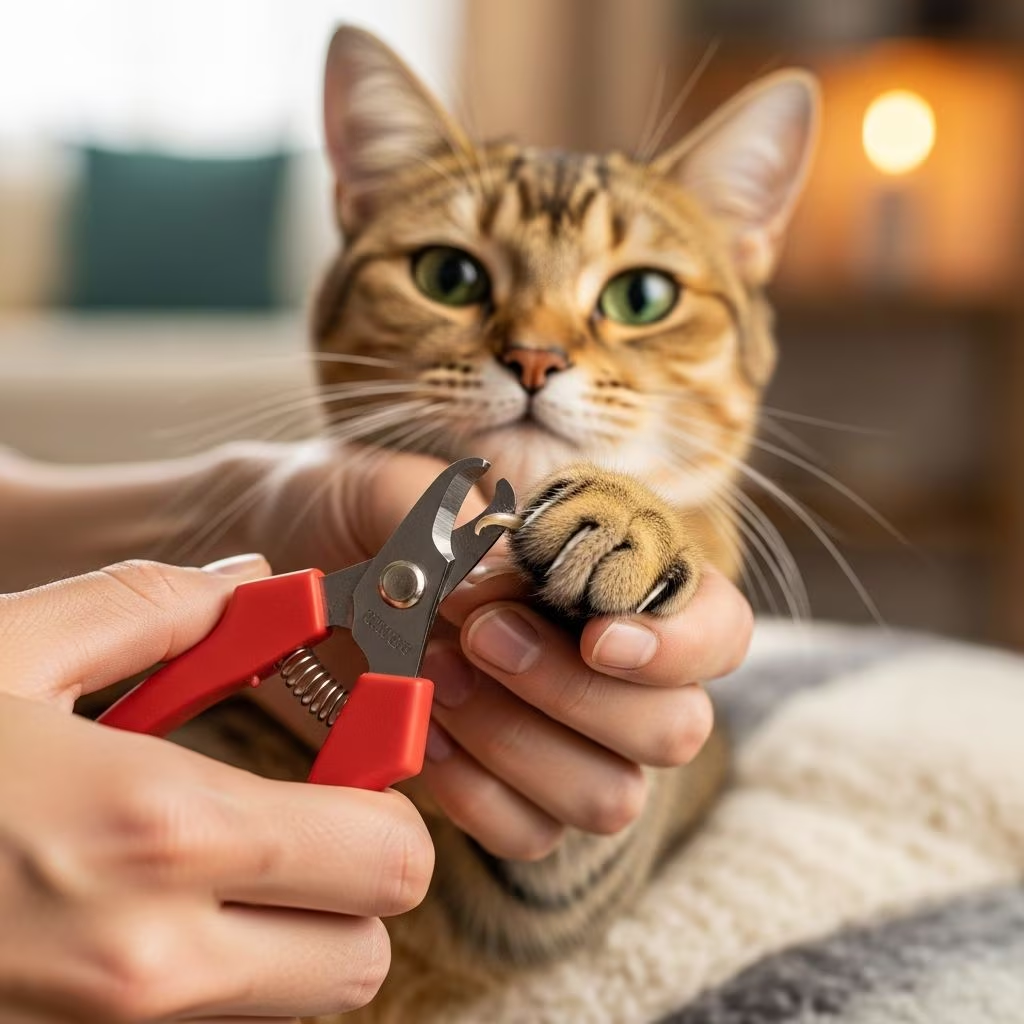
Regular claw maintenance is a vital aspect of feline grooming that promotes your cat’s health and safety while protecting your household furnishings. Overgrown claws can lead to discomfort, injury, or destructive scratching behaviors. This guide provides a complete roadmap for performing this task confidently and humanely, drawing from proven veterinary and humane society recommendations.
Why Routine Claw Care Matters for Cats
Cat claws grow continuously, much like human fingernails, and require periodic trimming to remain blunt and functional. Sharp claws serve natural purposes such as climbing, defense, and marking territory, but when left unchecked, they curl inward, potentially embedding into the paw pads and causing pain or infection. Trimming prevents these issues and reduces the risk of household damage from excessive scratching.
Beyond physical benefits, consistent grooming sessions build trust between you and your pet, making other care routines like brushing or vet visits less stressful. Organizations like the ASPCA emphasize that home trimming is preferable to surgical alternatives, which involve partial toe amputation and carry significant health risks.
Essential Tools for Effective Claw Trimming
Gathering the right equipment ensures precision and safety during sessions. Invest in tools designed specifically for cats to avoid slippage or discomfort.
- Specialized cat nail clippers: Guillotine-style or scissor types offer clean cuts without crushing the nail. Avoid human clippers, as they lack the proper leverage for feline claws.
- Styptic powder or cornstarch: These clotting agents stop bleeding if you accidentally nick the quick, the sensitive inner nail containing blood vessels and nerves.
- Nail file or emery board: Smooths rough edges post-trim for added comfort.
- Treats and toys: High-value rewards reinforce positive associations.
- Cotton balls and mild antiseptic: For cleaning paws beforehand and addressing minor mishaps.
Quality tools from reputable pet brands enhance control and reduce session times, leading to calmer experiences over multiple trims.
Building Positive Associations Before Trimming
Most cats resist paw handling due to its vulnerability in the wild, so desensitization is key. Begin training weeks in advance for best results.
Start with daily paw massages: Gently hold each paw for 3-5 seconds, pressing the pad lightly to extend the claw without clipping. Pair every touch with verbal praise and a treat. Progress to introducing the clippers’ sound by clipping dry spaghetti near your cat while rewarding tolerance.
Positioning matters—lap sessions facing away from you minimize eye contact and flight instincts. Aim for relaxed moments post-meal or play when endorphins are high. This gradual exposure transforms a potential battle into a routine bonding activity.
Step-by-Step Guide to Trimming Claws Safely
Follow this sequence for efficient, low-stress sessions. Limit to 2-4 claws per sitting initially, expanding as your cat acclimates.
- Prepare the environment: Choose a quiet, well-lit area with non-slip surfaces like a towel-covered table.
- Secure positioning: Cradle your cat across your lap or between your legs, back to your chest for security.
- Extend the claw: Grasp the paw firmly yet gently; press the central pad to protrude the nail. Clear fur for visibility.
- Locate the quick: In light-colored nails, it’s the visible pink area; darker nails require more caution—trim minimally.
- Clip precisely: Position clippers perpendicular to the nail tip, snipping just beyond the quick at a 45-degree angle. Remove only 1-2 mm per cut.
- File edges: Gently buff sharpness to prevent snags.
- Repeat and reward: Move to the next claw if calm; end with exuberant praise and treats.
Don’t forget dewclaws—the inner ‘thumb’ nails that grow rapidly and can pierce pads if overgrown. Sessions typically take 10-15 minutes once proficient.
Identifying and Avoiding the Quick
The quick is the nail’s core, rich in nerves and blood supply, making it painful to cut. Transparent nails reveal it easily; for opaque ones, use a flashlight or trim conservatively in thin slices.
| Nail Type | Quick Visibility | Trimming Tip |
|---|---|---|
| Clear/White | High (pink line visible) | Clip 2mm beyond pink area |
| Dark/Black | Low (internal only) | Trim 1mm tips only; err short |
| Kitten | Very high (short quick) | Less frequent trims needed |
Over-trimming causes bleeding and distrust; always have styptic powder ready. Dip a cotton ball in it, apply pressure for 30 seconds to staunch flow.
Finding the Ideal Trimming Schedule
Frequency depends on lifestyle and claw growth rates, typically every 2-4 weeks for indoor cats. Active outdoor cats may need less due to natural wear on scratching posts.
- Kittens: Monthly to shape growth.
- Adults: Biweekly inspections; trim when tips hook.
- Seniors: Weekly checks for mobility issues from overgrowth.
Monitor for signs like reluctance to walk or paw licking, indicating overgrown claws. Consistency prevents buildup.
Handling Resistance and Common Hurdles
Not all cats cooperate immediately. Signs of stress—tail thrashing, vocalizing, or dilating pupils—signal a pause. Never force; resume later.
For wiggly cats, enlist a helper to pet and distract. Aggressive felines may benefit from towel wraps, exposing one paw at a time. Post-session play reinforces positivity.
Mishaps like quick cuts are common for novices; stay calm, treat promptly, and shorten future clips. Persistent fear warrants professional groomers.
Alternatives When Home Trimming Isn’t Feasible
If sessions prove too challenging, veterinary clinics or groomers offer safe services. Scratch boards and posts encourage natural filing, complementing trims.
Nail caps provide temporary covers for scratch control without dulling claws. Avoid declawing—banned in many regions for its cruelty and links to behavioral issues like litter avoidance.
FAQs on Cat Claw Maintenance
Q: How often should I trim my cat’s claws?
A: Every 2-4 weeks for most indoor cats, adjusting based on growth and wear.
Q: What if I cut the quick?
A: Apply styptic powder immediately; bleeding stops in seconds. Monitor for infection.
Q: Can I use human nail clippers?
A: No, they risk splitting fragile cat nails; opt for pet-specific tools.
Q: How do I trim back paws?
A: Have assistance; back claws are smaller and quicker to access with help.
Q: Is trimming painful for cats?
A: Not if done correctly—avoiding the quick ensures comfort.
Long-Term Benefits of Consistent Grooming
Mastering claw trimming fosters a proactive care routine, enhancing your cat’s quality of life. Healthier paws mean better mobility, fewer vet visits, and a harmonious home. Pair with regular brushing and dental checks for comprehensive wellness.
References
- How to Trim Cat Nails: A Step-by-Step Guide — Willow Glen Pet Hospital. Accessed 2026. https://willowglenpethospital.com/how-to-trim-cat-nails/
- Trim Your Cat’s Nails — Nash County Animal Hospital. Accessed 2026. https://nashpetcare.com/trim-your-cats-nails/
- Cat Nail Trimming 101 — Wisconsin Humane Society. Accessed 2026. https://www.wihumane.org/behavior/ask-the-experts/cat-behavior/cat-nail-trimming-101
- Cat Grooming Tips — ASPCA. Accessed 2026. https://www.aspca.org/pet-care/cat-care/cat-grooming-tips
- ASPCA Grooming 101 – Nail Trimming for Cats — YouTube (ASPCA). Accessed 2026. https://www.youtube.com/watch?v=MnQjdTWku5U
- Cat Nail Trimming: Safe Practices & Its Importance — Darwin’s Pet. Accessed 2026. https://www.darwinspet.com/blogs/resources/cat-nail-trimming-safe-practices-its-importance



