Cat Claw Care Essentials: Expert Tips For Healthy Paws
Discover effective, humane strategies to maintain your cat's claws, prevent damage, and ensure a scratch-free home environment.
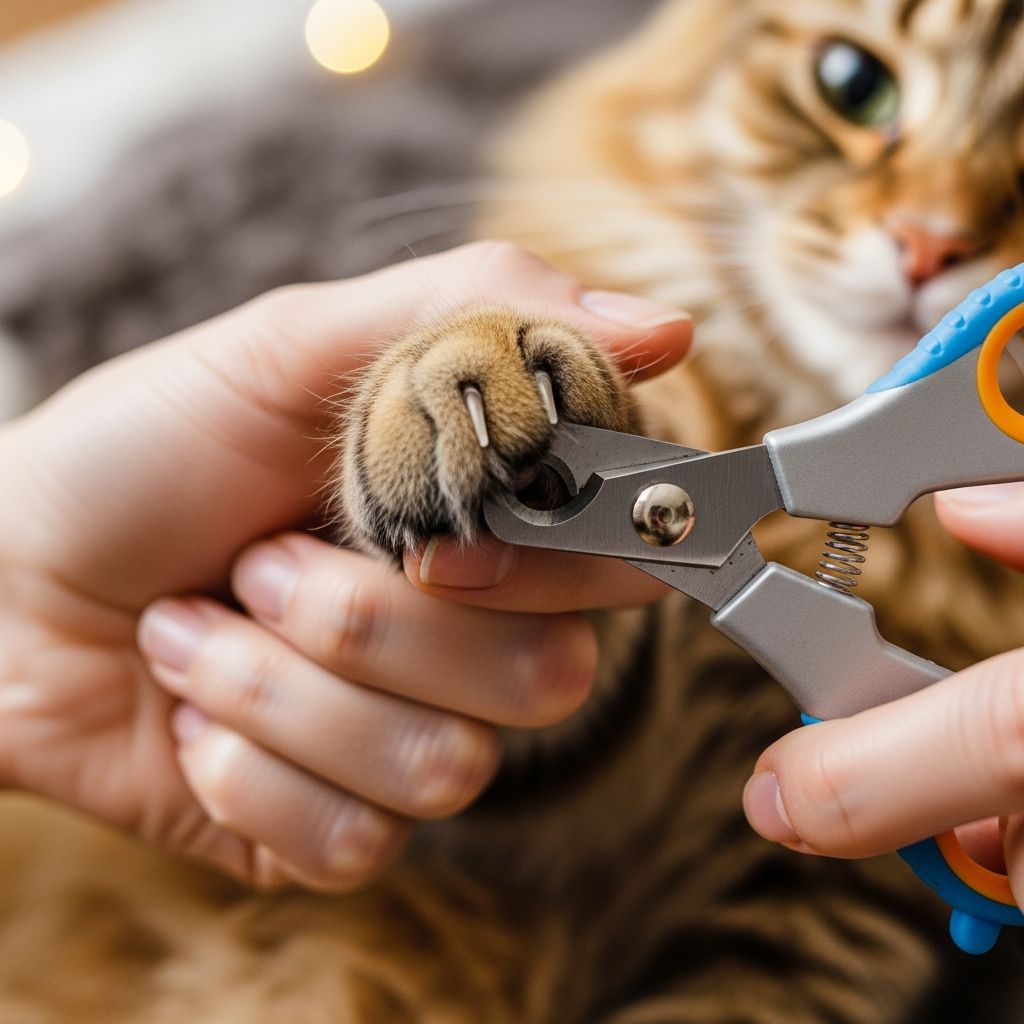
Mastering Cat Claw Care Essentials
Cat claws are vital for natural behaviors like climbing, marking territory, and self-defense, but they can pose challenges for owners dealing with shredded furniture or accidental scratches. Proper management involves regular maintenance, environmental enrichment, and humane alternatives to outdated practices like declawing. This guide explores practical steps to keep your feline’s paws healthy while preserving household harmony.
Understanding Feline Claw Anatomy and Growth
Cats possess retractable claws that remain sharp through constant shedding of outer layers, a process facilitated by scratching. These claws grow continuously, curving inward if not maintained, which can lead to discomfort or injury. Front paws bear the brunt of scratching activity, while rear claws often require less intervention due to natural wear from jumping.
- Claws consist of a hard keratin outer sheath over a sensitive inner quick containing blood vessels and nerves.
- Regular inspection reveals issues like splitting, discoloration, or overgrowth early.
- Dark claws make the quick harder to spot, so trim conservatively.
Recognizing normal versus problematic claws prevents escalation to veterinary care. Healthy claws are smooth, even, and free from cracks; abnormalities signal diet deficiencies or health concerns.
Step-by-Step Guide to Safe Claw Trimming
Trimming every 2-4 weeks keeps claws blunt and reduces damage risk. Start young to acclimate kittens, using positive reinforcement for adults.
- Prepare the environment: Choose a quiet space like a bathroom with good lighting. Gather scissor-style clippers designed for cats, styptic powder for mishaps, and treats.
- Desensitize paws: Daily gentle massages extend claws without clipping, building tolerance over weeks.
- Position comfortably: Swaddle in a towel “burrito” style or have a helper hold the cat securely on a table.
- Clip precisely: Press paw pad to extend claw, snip only the translucent tip beyond the quick—about 2mm. Work one paw at a time.
- Monitor and reward: Pause if stress signs appear (hissing, swatting). End with praise and treats.
| Clipper Type | Pros | Cons |
|---|---|---|
| Scissor-style | Precise control, comfortable grip | May dull over time |
| Guillotine-style | Quick cuts for multiple nails | Risk of pinching if misaligned |
If trimming proves impossible, professional groomers or vets offer safe services. Never force it—stress can worsen behavior.
Deterring Destructive Scratching Humanely
Scratching serves instinctual needs: claw maintenance, stretching, and scent marking via paw glands. Redirecting this saves furniture without punishment.
- Provide varied scratching surfaces: Sisal posts, cardboard scratchers, or carpeted ramps in high-traffic areas.
- Use deterrents: Citrus sprays, double-sided tape (Sticky Paws), or aluminum foil on forbidden spots—cats dislike textures and scents.
- Water spray: A gentle mist from a plant mister interrupts unwanted scratching without harm.
Place posts near former scratch zones, rubbing catnip for allure. Vertical posts suit most cats; horizontal for others. Trim loose furniture threads to eliminate triggers.
Alternatives to Trimming: Nail Caps and Covers
For households with sensitive skin or delicate furnishings, vinyl nail caps offer protection lasting 4-6 weeks. These blunt sharp tips while allowing natural growth and shedding.
Application process:
- Trim nails first for secure fit.
- Fill cap with pet-safe adhesive (supplied).
- Slide onto claw, press 30 seconds; repeat per paw.
Caps come in colors for fun personalization. Monitor for loose fits or ingrown growth—replace promptly. Experts note they complement, not replace, trims.
Nail Caps Benefits vs. Drawbacks
| Benefits | Drawbacks |
|---|---|
| Protects people/furniture | Requires initial trim |
| Humane, reversible | Monthly maintenance |
| Customizable styles | May fall off during shedding |
Nutritional and Topical Support for Strong Claws
Brittle or splitting claws often stem from poor diet. Prioritize high-quality food rich in protein, biotin, omega-3s, and zinc for keratin strength.
- Key nutrients: Biotin (eggs, liver), omega fatty acids (fish oil), balanced minerals.
- Avoid allergens if sensitivities exist; opt for limited-ingredient formulas.
- Hydration aids overall paw health—fountains encourage drinking.
Topical aids like claw oils or balms moisturize, preventing cracks. Wipe paws weekly with a damp cloth to remove debris, reducing infection risk. Shun chemical-laden products; choose natural, cat-specific options.
Exercise and Enrichment for Natural Wear
Active cats naturally file claws via play and climbing. Interactive toys, tunnels, and window perches promote movement, curbing excessive scratching from boredom.
- Daily sessions: Wand toys, laser pointers, or puzzle feeders.
- Vertical space: Cat trees with sisal wrapping double as scratchers.
- Outdoor enclosures (catios) for safe exploration wear rear claws.
Exercise bolsters mental health, reducing stress-induced behaviors. Aim for 15-30 minutes daily, tailored to age and energy.
Spotting and Addressing Claw Health Issues
Regular checks catch problems early:
- Infection signs: Swelling, pus, limping—vet antibiotics needed.
- Ingrown nails: From neglect; surgical correction possible.
- Overgrowth: Common in seniors/indoor cats; professional trimming essential.
Systemic issues like hyperthyroidism or parasites manifest in claws—annual vet exams rule these out. Cleanliness prevents bacterial buildup.
Frequently Asked Questions (FAQs)
Is declawing ever recommended?
No—veterinary associations oppose it due to pain, behavioral changes, and health risks. Alternatives suffice.
How often should I trim my cat’s claws?
Every 2-4 weeks for adults; weekly for kittens. Adjust based on growth and lifestyle.
Do nail caps hurt cats?
Not when applied correctly post-trim. They allow normal function.
What if my cat resists trimming?
Desensitize gradually, use helpers, or seek pros. Patience yields results.
Can diet really improve claw health?
Yes—nutrient deficiencies weaken keratin; vet-recommended foods help.
Long-Term Strategies for a Claw-Friendly Home
Integrate routines: Weekly paw checks, monthly trims/caps, quarterly post rotations. Multi-cat homes need ample resources per feline. Track progress—reduced shreds signal success. Consult vets for persistent issues, ensuring holistic care.
Consistent effort transforms claw management from chore to bonding opportunity, fostering a thriving cat-owner bond.
References
- Expert Tips for Clipping Your Cat’s Claws — Consumer Reports. 2023. https://www.consumerreports.org/home-garden/pets/how-to-clip-your-cats-claws-a6256352646/
- Trimming Cat Claws — Humane Society of Huron Valley (hshv.org). Accessed 2026. https://www.hshv.org/trimming-cat-claws/
- Coping with Cat Claws — Animal Medical Center (amcny.org). 2025-05-14. https://www.amcny.org/blog/2025/05/14/coping-with-cat-claws/
- How to Manage Cat Claw Health — BlackPaw. Accessed 2026. https://blackpaw.com/blogs/blackpaw/how-to-manage-cat-claw-health
- American Veterinary Medical Association Policy on Declawing — AVMA (avma.org). Ongoing policy. https://www.avma.org/resources-tools/avma-policies/welfare-issues-declawing-cats
Similar Articles








Read full bio of Sneha Tete