

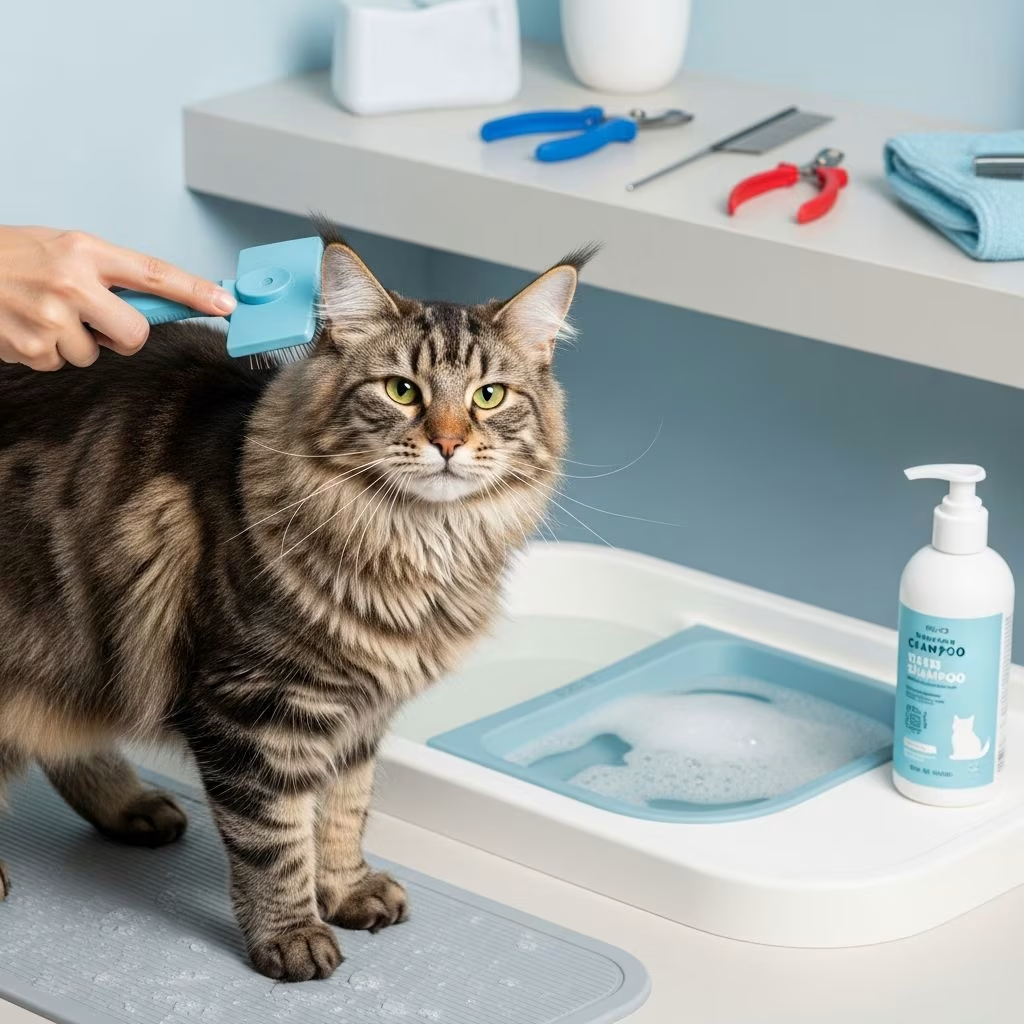
Cats are renowned for their self-cleaning habits, yet periodic grooming and occasional baths play a vital role in maintaining their health and appearance. Proper techniques ensure a shiny coat, reduce shedding, and prevent skin issues, all while building trust with your pet. This guide explores everything from daily brushing routines to full bathing processes, tailored for different coat types and temperaments.
Understanding Your Cat’s Coat and Grooming Needs
Every cat’s fur varies, influencing how often and intensely you should groom. Short-haired breeds like Siamese shed minimally but benefit from weekly sessions to distribute natural oils. Long-haired varieties, such as Persians, demand daily attention to avoid painful mats that can lead to infections.
Regular grooming removes dead hair, stimulates blood flow to the skin, and helps you spot parasites or lumps early. Observe your cat’s preferences—many enjoy chin scratches during sessions, which can turn maintenance into bonding time.
Essential Tools for Effective Cat Grooming
Investing in quality supplies makes grooming smoother and safer. Here’s a curated list of must-haves:
- Rubber or slicker brushes: Ideal for short coats; dampen to capture loose fur without scattering it.
- Wide-tooth combs: Perfect for detangling long fur; start from the head and work backward gently.
- Blunt-tipped scissors: For safely clipping severe mats—never pull or yank.
- Nail clippers: Cat-specific models with quick-stop guards to avoid over-cutting.
- Pet-safe shampoo and conditioner: Formulas gentle on skin, often tear-free for accidental splashes.
Store tools in an accessible spot and clean them weekly to prevent bacterial buildup.
Daily and Weekly Brushing Routines
Brushing is the cornerstone of feline hygiene. For short-haired cats, a quick 5-minute pass with a moistened rubber brush weekly suffices, focusing on the back and sides to lift undercoat. Long-haired cats require 10-15 minutes daily: begin at favorite spots like the cheeks, then glide the comb along the grain, rewarding calm behavior with treats.
If mats form, isolate them by parting fur and snip parallel to the skin. Follow up by brushing outward to fluff the coat. Tired cats from playtime beforehand are less resistant, enhancing cooperation.
| Coat Type | Frequency | Tools | Focus Areas |
|---|---|---|---|
| Short-haired | Weekly | Rubber brush | Back, flanks |
| Long-haired | Daily | Comb, de-matting tool | Underbelly, tail base |
| Senior or medical needs | 2-3x/week | Soft brush | Entire body gently |
Preparing for a Successful Cat Bath
Baths aren’t routine for most cats, as over-washing strips protective oils, potentially causing dry skin. Reserve them for dirt from adventures, allergies, or flea treatments—typically 1-4 times yearly. Preparation reduces drama:
- Acclimate gradually: Drip water on paws days prior, pairing with praise and treats.
- Trim nails 24 hours ahead to minimize scratches.
- Choose a secure spot: Sinks for small cats, tubs for larger ones, with non-slip mats.
- Warm the room to 75-80°F (24-27°C) and seal drafts.
Gather towels, shampoo, a pitcher, and gloves. Play exhaustively first for a mellow mood.
Step-by-Step Guide to Bathing Your Cat
Follow these precise steps for a stress-minimal experience:
- Clean ears first: Wipe visible parts with a damp cotton swab—avoid canals to prevent damage.
- Pre-brush thoroughly: Remove loose fur; wet mats tighten, complicating removal.
- Fill container: 3-4 inches lukewarm water (about 100°F/38°C)—test on your wrist.
- Secure cat: Glove up, lift by scruff gently, lower back-first into water.
- Wet body: Use a cup for back, belly, legs—skip head initially; no sprayers if they panic.
- Shampoo application: Dilute per label, lather from neck down, massaging genitals and legs carefully. Avoid eyes/ears.
- Rinse meticulously: Residue irritates; pour until water runs clear, 2-3 minutes minimum.
- Optional conditioner: For long coats or mats, apply sparingly and rinse.
Keep sessions under 10 minutes. Speak soothingly throughout.
Drying Techniques and Post-Bath Care
Excess moisture breeds issues, so dry promptly. Wrap in warm towels, patting gently—avoid rubbing long fur. If tolerated, use a low-heat dryer from 12 inches away, starting cool. Most cats self-groom post-bath, restoring their preferred texture.
Monitor for shivers; offer a cozy blanket. Reward lavishly to associate positively. Comb lightly once semi-dry to prevent new tangles.
Handling Special Cases: Aggressive or Water-Averse Cats
Some felines claw or bolt at water’s sight. Build tolerance via clicker training: Dip paws briefly, treat immediately, progressing slowly. For aggressors, position back toward you, use grooming loops diagonally across chest (never neck) tethered securely.
Elderly or arthritic cats may need sponge baths with cloths. If unsafe, seek professional groomers—they handle with sedation-free methods. Frequency advice: Consult vets for medical cats.
Common Mistakes to Avoid in Cat Grooming
- Bathing too often, disrupting oil balance.
- Ignoring pre-bath de-matting, worsening knots.
- Using human products—pH mismatches irritate.
- Forcing the process, eroding trust.
- Neglecting drying, risking chills or hotspots.
Frequently Asked Questions (FAQs)
Do all cats need baths?
No—most self-groom adequately. Bathe only when necessary, like after messes or for health reasons.
Can I use a showerhead?
Avoid if it frightens; pitchers offer control.
How do I bathe a kitten?
Use a sink with shallow water; acclimate early for lifelong ease.
What if my cat has fleas?
Use vet-approved flea shampoo; follow with combing.
Is conditioner necessary?
Rarely, but useful for show or matted longhairs.
Long-Term Benefits of Consistent Grooming
Beyond aesthetics, routine care fortifies the cat-human bond, detects health changes early, and cuts vet bills from neglected issues. Short-haired cats enjoy reduced hairballs; long-haired ones dodge surgeries for embedded mats. Track progress in a journal, adjusting based on shedding seasons.
Integrate grooming into play—use brushes as toys initially. Patience yields a pampered, purring companion.
References
- How to Bathe and Groom a Cat — Hills Pet Nutrition. 2023. https://www.hillspet.com/cat-care/routine-care/how-to-bathe-and-groom-a-cat
- How to Bathe a Cat: Step-By-Step Tips — Purina. 2024-05-15. https://www.purina.com/articles/cat/health/routine-care/how-to-bathe-a-cat
- How to Bathe a Cat Step-by-Step Tips From a Professional Groomer — Chewy. 2024. https://www.chewy.com/education/cat/grooming/how-to-bathe-a-cat-step-by-step-tips-from-a-professional-groomer
- Feline Bathing Tips | Safe Cat Grooming Guide — Frank Rowe and Son. 2023-08-10. https://www.frankroweandson.com/blog/feline-bathing-tips/



