

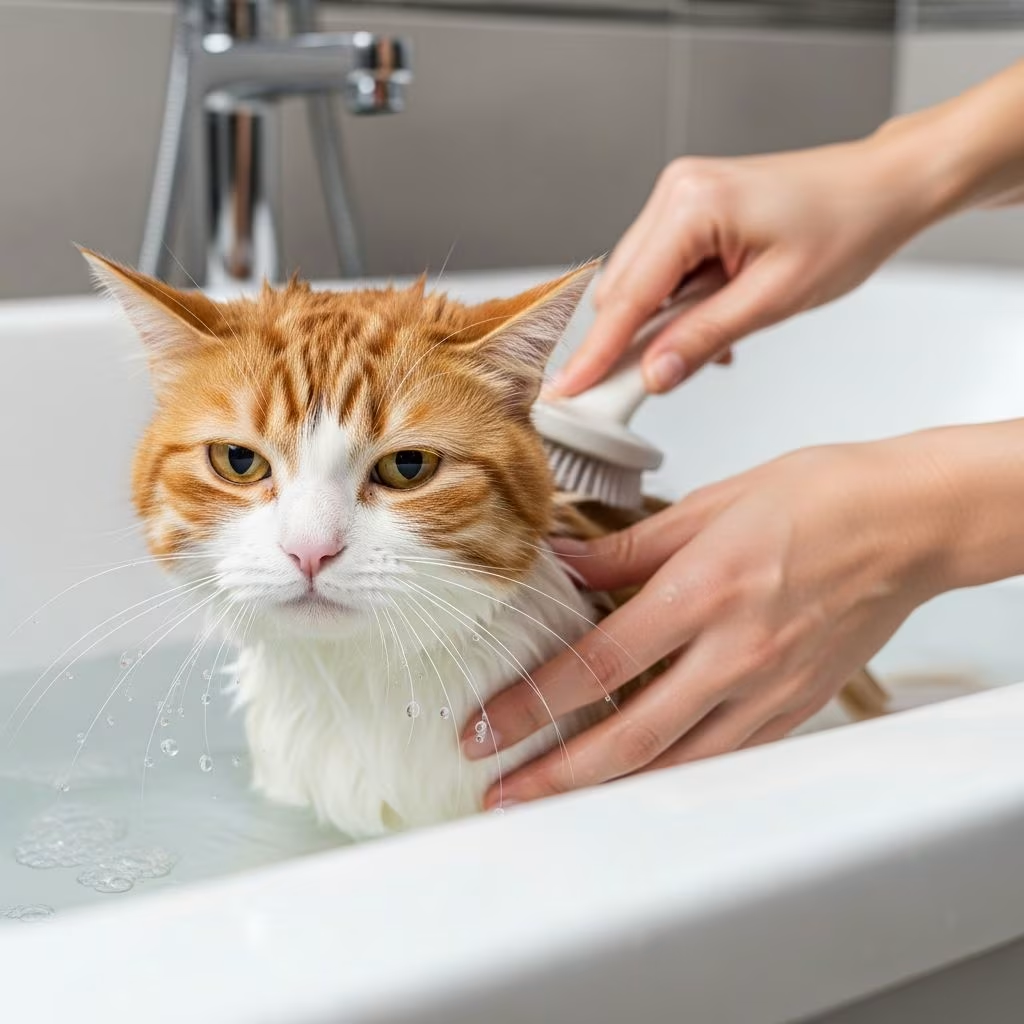
Cats are renowned for their self-cleaning habits, yet certain circumstances demand a full bath. Whether dealing with fleas, medical conditions, or long-haired breeds prone to matting, knowing how to bathe your cat properly ensures their comfort and health. This guide provides a complete roadmap, drawing from veterinary insights and grooming best practices to make the process smoother.
Understanding When Cats Need a Bath
Most domestic cats maintain pristine coats through licking, but exceptions exist. Outdoor cats exposed to dirt, chemicals, or parasites may require intervention. Elderly felines or those with mobility issues often neglect grooming, leading to greasy fur or urine staining. Long-haired breeds like Persians accumulate debris more readily, while medical directives from vets—such as post-surgery cleaning—necessitate baths.
- Parasite infestations: Fleas, ticks, or lice demand thorough washing to remove eggs and soothe irritated skin.
- Skin conditions: Allergies or infections benefit from medicated shampoos prescribed by professionals.
- Sticky messes: Grease, paint, or litter clumping requires spot-cleaning or full immersion.
- Post-operative care: Vets may recommend baths to prevent infection around wounds.
Bathing frequency varies; healthy short-haired cats might go years without one, while others need monthly sessions. Always consult a veterinarian before starting a routine to rule out underlying health issues.
Essential Tools and Supplies for Success
Preparation is key to a stress-free experience. Assemble everything beforehand to avoid mid-bath scrambles.
| Item | Purpose | Tips |
|---|---|---|
| Cat-specific shampoo | Cleans without stripping natural oils | Choose pH-balanced formulas; dilute if instructed. Avoid human or dog products. |
| Non-slip mat or towel | Provides traction | Line sink or tub bottom to prevent slips. |
| Washcloths or sponges | Gentle application around sensitive areas | Use separate ones for face and body. |
| Handheld sprayer or pitcher | Controlled wetting and rinsing | Lukewarm water only; test on your wrist. |
| Multiple absorbent towels | Drying | Prepare 4-5; micro-fiber works best. |
| Treats and toys | Positive reinforcement | High-value rewards to associate bath with good experiences. |
Optional aids include pheromone diffusers for calming and a pet hair dryer on low heat. Ensure the bathing area is warm (around 75-80°F) to prevent chilling.
Preparing Your Cat Mentally and Physically
Sudden baths provoke panic; gradual desensitization builds tolerance. Start weeks in advance with positive associations.
- Brush thoroughly: Remove mats and loose fur first—water exacerbates tangles.
- Play to exhaustion: Tire them out with interactive toys to reduce resistance.
- Introduce water slowly: Wipe with damp cloths, progressing to shallow dips over sessions.
- Familiarize with space: Let them explore the bathroom or sink calmly.
For multi-cat homes, isolate the bather. Stay composed—cats mirror your energy. Use soothing tones and pheromone sprays to signal safety.
Step-by-Step Bathing Instructions
Choose a quiet, enclosed space like a bathroom or laundry room. Fill sink or tub with 2-4 inches of lukewarm water; avoid full submersion.
Step 1: Secure and Wet the Coat
Place a towel or mat down. Gently lift your cat in, supporting under chest and hindquarters. Use scruff or harness if needed, but never harshly. Wet from neck to tail with sprayer or cup, avoiding head, ears, and eyes. Speak reassuringly throughout.
Step 2: Shampoo Application
Dilute shampoo per label. Lather from neck down, massaging into belly, legs, and base of tail. Use a cloth for genitals and paws. Work in direction of fur growth for even coverage. A second person helps immensely here.
Step 3: Thorough Rinsing
Rinse completely—residue causes itching. Pour water gently, checking for suds. Face cleaning: Damp cloth with minimal shampoo, wiping outward from eyes and mouth. Minimize running water noise to avoid startling.
Step 4: Lift and Initial Dry
Remove to a dry towel. Wrap snugly, patting excess water. Avoid rubbing to prevent tangles.
Drying Techniques for a Fluffy Finish
Cats shiver easily; prioritize warmth. Towel-dry vigorously but gently, absorbing from head to tail. Between toes needs attention to prevent yeast issues.
- Air drying: Ideal for short coats in warm rooms; confine to a carrier with litter access.
- Hair dryer: Low heat, high distance (12+ inches). Acclimate gradually; many cats adapt with treats.
- Post-bath care: Brush once semi-dry to redistribute oils and monitor skin.
Keep your cat indoors until fully dry, offering a cozy bed and treats.
Special Considerations for Kittens and Seniors
Kittens under 8 weeks risk hypothermia; spot-clean with damp cloths and fragrance-free shampoo only. Keep sessions under 5 minutes, wrapped in towels post-wipe.
Senior cats with arthritis appreciate shallow water and supportive holds. Medical baths may use vet-prescribed rinses—frequency per professional advice, often every 4-6 weeks.
Frequently Asked Questions (FAQs)
Can I bathe my cat every week?
Rarely necessary; over-bathing strips oils, causing dry skin. Limit to quarterly unless medically required.
What if my cat hates water?
Use dry shampoos or wipes for maintenance. Professional groomers handle resistors safely.
Is it okay to never bathe my cat?
Yes, for most indoor short-hairs who self-groom effectively.
How do I clean my cat’s face?
Cloth dampened with water or saline; never submerge head.
What about fleas during bath?
Bathe first, then apply topical treatments post-dry.
Alternatives to Full Baths
For minimalists:
- Dry shampoos: Sprinkle, brush out for odor control.
- Wet wipes: Cat-safe for spot cleans.
- Waterless foam: Massage in, towel off.
- Professional grooming: Salons offer hydro-baths and de-shedding.
These preserve natural grooming while addressing issues.
Common Mistakes and How to Avoid Them
Cold water: Always lukewarm.
Incomplete rinse: Leads to dermatitis.
Human products: Disrupt pH balance.
Rushing drying: Causes chills or mats.
No prep: Increases escape attempts.
Patience yields calmer future baths.
Long-Term Grooming Integration
Baths complement brushing (weekly), nail trims, and dental care. Track coat health for early issue detection. Healthy diets reduce oiliness, minimizing needs.
With consistency, bath time transforms from ordeal to routine, fostering trust and hygiene.
References
- Should I bathe my cat? | Blog – Cats Protection — Cats Protection. Accessed 2026. https://www.cats.org.uk/cats-blog/should-i-bathe-my-cat
- How to Bathe a Cat: Step-by-Step Tips From a Professional Groomer — Chewy.com. Accessed 2026. https://www.chewy.com/education/cat/grooming/how-to-bathe-a-cat-step-by-step-tips-from-a-professional-groomer
- How to Bathe a Cat & How Often You Should Do It | Baltimore Vets — Falls Road Animal Hospital. 2024-03-15. https://www.fallsroad.com/site/tips-resources-blog-baltimore-vet/2024/03/15/how-bathe-cat
- How to Bathe a Cat | Edgewater Vets – Animal General — Animal General. 2022-07-15. https://www.animal-general.com/site/blog/2022/07/15/how-bathe-cat
- How Often Bathe Cat | Olive Branch Vet — Cat and Cow Veterinary Clinic. 2022-10-30. https://www.catandcowvet.com/site/blog/2022/10/30/how-often-bathe-cat
- How To Bathe a Cat – YouTube — Cole and Marmalade. Accessed 2026. https://www.youtube.com/watch?v=S0DlV8mZTd8
- Give your kitten a bath with these simple tips | Animal Humane Society — Animal Humane Society. Accessed 2026. https://www.animalhumanesociety.org/resource/give-your-kitten-bath-these-simple-tips



