Cat Bandaging Techniques: Step-By-Step Guide For Safe Healing
Essential guide to safely bandage your cat's injuries at home or with vet guidance for optimal healing.
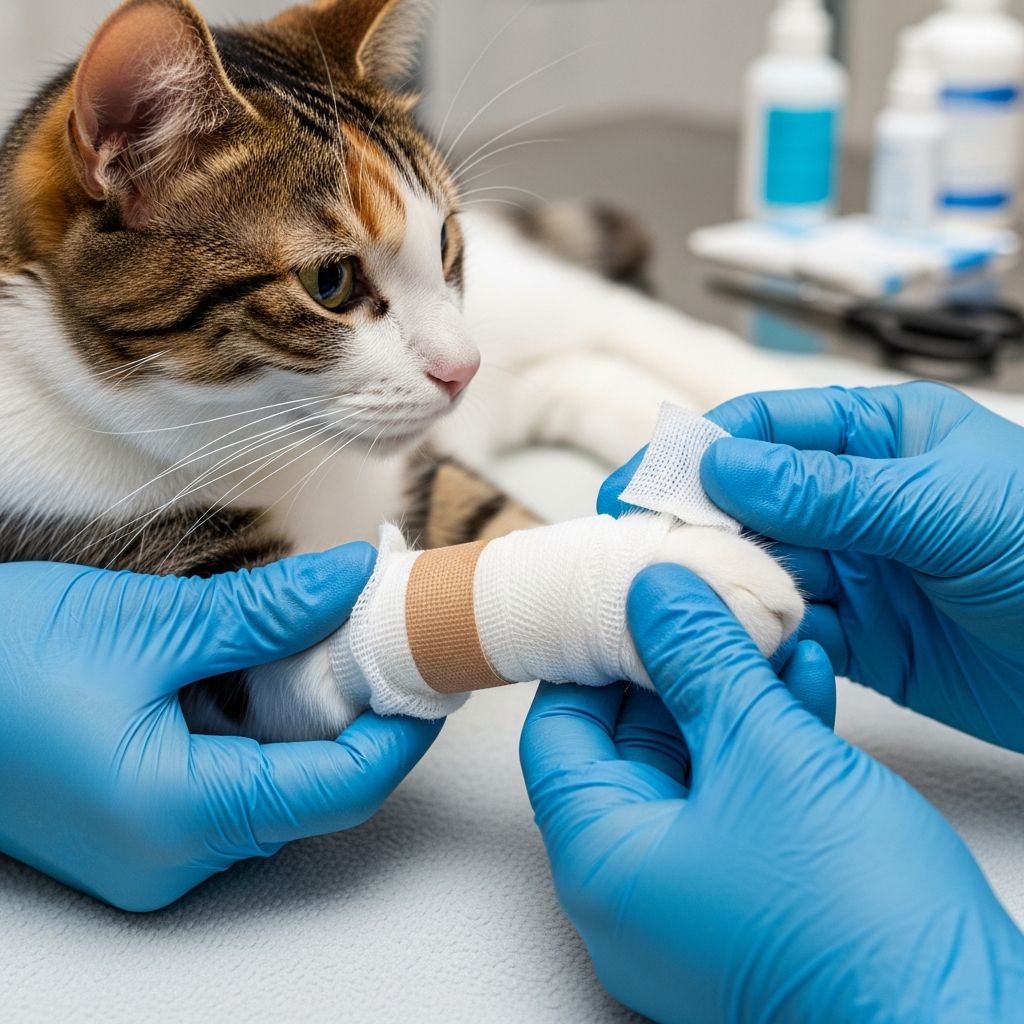
Mastering Cat Bandaging Techniques
Bandaging a cat requires precision to protect wounds, stabilize injuries, and prevent further damage. Proper techniques ensure comfort while promoting healing, drawing from veterinary best practices for small animals.
Understanding Bandage Layers and Their Roles
Effective cat bandages consist of multiple layers, each serving a specific function to safeguard the injury site. The primary contact layer directly touches the wound, using non-adherent materials to avoid sticking and trauma during changes.
- Contact Layer: Absorbent, sterile pads or films prevent adhesion to healing tissue.
- Padding Layer: Provides cushioning with cast padding or cotton to distribute pressure evenly.
- Conforming Layer: Elastic gauze holds everything in place without constriction.
- Outer Layer: Cohesive wrap secures the bandage, resisting moisture and movement.
For splints, a rigid component is added between padding layers to immobilize fractures or joints.
Essential Materials for Feline Bandaging
Gather vet-approved supplies before starting to avoid delays. Cats’ small limbs demand flexible, lightweight materials.
| Material | Purpose | Tips for Cats |
|---|---|---|
| Non-stick pads | Wound coverage | Cut to fit small areas; change daily. |
| Cast padding | Cushioning | Layer 3-4 times, 50% overlap. |
| Elastic gauze | Conformance | Tension in one direction only. |
| Cohesive bandage | Security | Unroll first to prevent tightness. |
| Splint (fiberglass/plastic) | Immobilization | Mold to limb shape for tolerance. |
Additional items include gloves, scissors, tape stirrups, and waterproof covers for hygiene.
Preparing Your Cat for Bandaging
Cats may resist due to discomfort or instinct. Sedation might be needed for severe injuries; consult a vet first. Position in lateral recumbency to relax limbs without hyperextension.
- Clean the wound gently with saline; avoid harsh antiseptics unless vet-directed.
- Clip fur around the site (up to 3cm) for secure adhesion.
- Protect pressure points with foam donuts over bony areas like elbows or hocks.
Step-by-Step Guide to Basic Bandaging
Apply from toes proximally for uniform pressure, overlapping each wrap by 50% to eliminate wrinkles that cause sores.
- Primary Dressing: Place non-stick pad over wound, extending slightly beyond edges.
- Padding Application: Roll cast padding from toes up, thicker over bones, leaving central toenails visible for swelling checks.
- First Gauze Layer: Conform elastic gauze snugly, more tension on muscles, less on bones.
- Outer Wrap: Secure with cohesive bandage, avoiding over-tightening to maintain circulation.
For tails or head, adapt by using lighter padding and monitoring for slippage.
Incorporating Splints for Stability
Splints are crucial for fractures below the knee or hock. They differ from bandages by embedding rigid material for immobilization.
- Premade Splints: Position over padded limb; extend bandage 1-2 inches beyond edges.
- Custom Fiberglass: Dip in water, mold to standing posture before hardening; stack 2 layers.
- Stirrups (Optional): Use white tape strips extending beyond toes, separated by a tongue depressor for easy removal.
After splint placement, add gauze, then cohesive layers. Ensure joint alignment to prevent contractures.
Advanced Techniques: Tie-Over and Modified Robert Jones
For awkward locations or heavy exudation, specialized methods excel. Modified Robert Jones (MRJ) suits limbs with thick padding for high-impact protection.
- MRJ: Extra cotton layers for shock absorption; ideal for distal limbs.
- Tie-Over: Uses stay sutures and umbilical tape over lap sponges for trunk wounds; sterile application essential.
Wet-to-wet dressings keep chronic wounds moist for debridement without drying.
Daily Monitoring and Maintenance
Check bandages every 8-12 hours initially. Signs of issues demand immediate vet attention.
| Check | Normal | Problem Signs |
|---|---|---|
| Toenail Exposure | Middle nails visible | Swollen/compressed toes |
| Circulation | Warm, pink pads | Cold, blue, or painful |
| Fit | Snug, no slippage | Loose, wet, or soiled |
| Cat Behavior | Weight-bearing | Limping, chewing |
Change full bandages every 1-3 days or if soiled. Use waterproof covers for baths.
Common Mistakes and Prevention Strategies
Avoid pitfalls that lead to complications like sores or necrosis.
- Too Tight: Causes ischemia; test capillary refill under 2 seconds.
- Wrinkles: Create pressure sores; smooth each layer.
- Neglecting Toes: Always include but expose nails.
- Moisture: Leads to maceration; use barriers.
Cats chew bandages, so consider cones or bitter sprays.
When to Seek Professional Help
Home bandaging stabilizes until vet care. Rush to clinic for open fractures, heavy bleeding, or infection signs like pus or fever.
- Deep punctures or burns require professional assessment.
- Splints often need X-rays for proper alignment.
- Persistent lameness post-change signals issues.
Frequently Asked Questions (FAQs)
How often should I change my cat’s bandage?
Daily for fresh wounds, every 2-3 days for stable ones, or sooner if wet/dirty. Consult vet schedule.
Can I bathe my bandaged cat?
Use waterproof covers; avoid soaking. Dry thoroughly after.
What if my cat removes the bandage?
Reapply gently; use e-collar. Seek sedation if recurrent.
Is splinting safe at home?
Only for minor support; major injuries need vet application.
How do I know if circulation is compromised?
Check toes: pink/warm, quick refill. Pale/cold means loosen immediately.
Long-Term Care and Recovery Tips
Bandages aid healing but pair with rest, nutrition, and pain management. Gradually reintroduce activity as vet advises. Monitor for hypertrophic scars or delayed union.
Expand to full limb slings for upper body support in severe cases.
References
- Applying Splints on Dogs & Cats: Step-by-Step Guide — Clinician’s Brief. 2023. https://www.cliniciansbrief.com/article/splint-bandage-dog-cat-how-to
- Bandage and Splint Care in Cats — VCA Animal Hospitals. 2024. https://vcahospitals.com/know-your-pet/bandage-and-splint-care-in-cats
- Pawsitively Wrapped: The Art of Pet Bandaging for Pet First Aid — DoveLewis. 2023. https://www.dovelewis.org/pet-owners/keeping-pets-healthy/blog/pawsitively-wrapped-art-pet-bandaging-pet-first-aid
- Wound Bandaging Techniques for Small Animals — Today’s Veterinary Nurse. 2022. https://todaysveterinarynurse.com/wound-management/wound-bandaging-techniques-for-small-animals/
- Bandaging — VetSurgeryOnline. 2024. https://www.vetsurgeryonline.com/bandaging/
- The Art of Bandaging — AAHA Trends Magazine. 2023-05. https://www.aaha.org/trends-magazine/may-2023/gs-art-of-bandaging/
Similar Articles







Read full bio of medha deb