

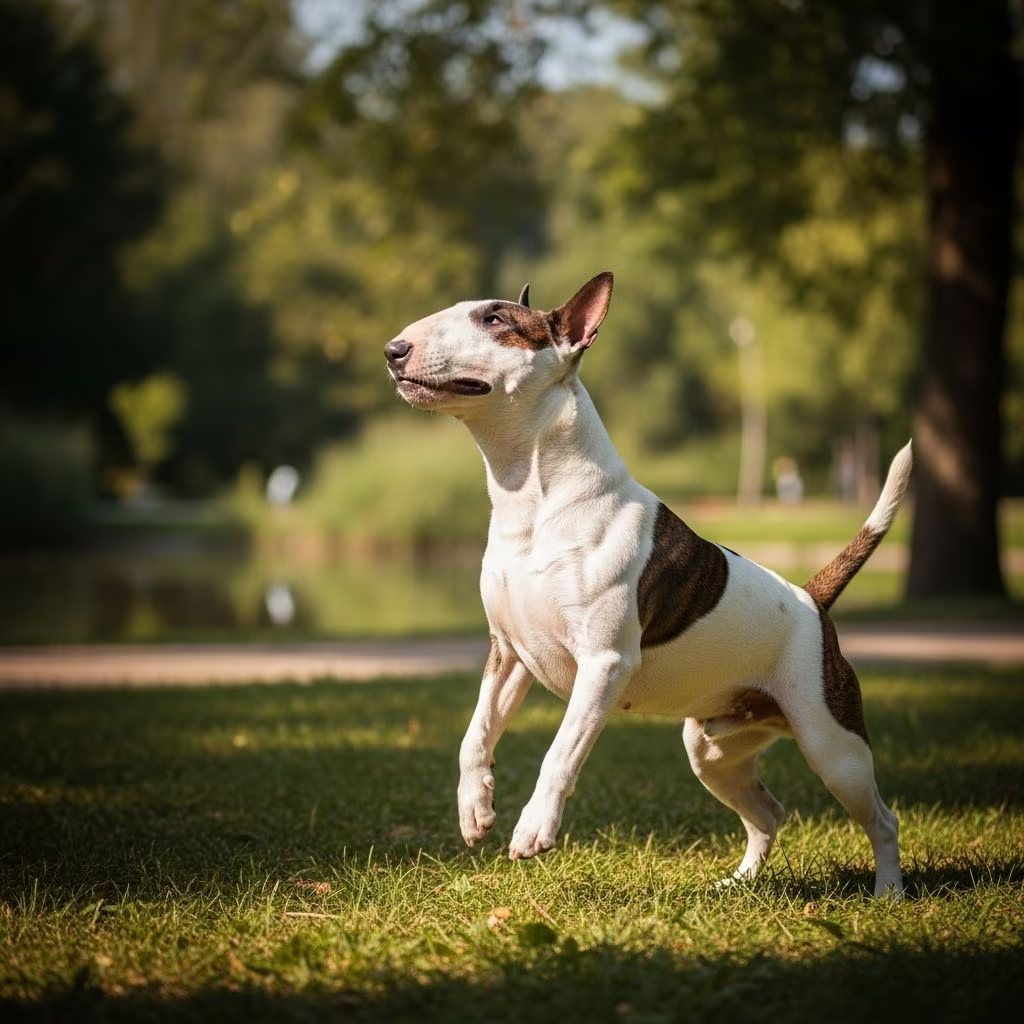
Bull Terriers are energetic, intelligent dogs known for their playful spirit and strong-willed nature. Effective training transforms their boundless energy into desirable behaviors, ensuring they become loyal family members. This guide outlines a structured approach using positive reinforcement to address their unique temperament.
Understanding the Bull Terrier Temperament
Bull Terriers possess a distinctive personality marked by high energy, curiosity, and occasional stubbornness. Originating from breeding for strength and agility, they thrive on mental stimulation and physical activity. Their clownish antics and affectionate demeanor make them endearing, but without guidance, these traits can lead to mischief like chewing or excessive barking.
Key characteristics include a love for play, quick learning ability when motivated, and a need for firm yet kind leadership. Early intervention prevents issues such as prey drive or overexcitement around strangers. Recognizing these traits allows owners to tailor sessions that keep the dog engaged and responsive.
Building a Strong Foundation: Preparation Essentials
Success begins before formal sessions. Stock up on high-value treats, a durable leash, comfortable harness, and interactive toys. A quiet space free from distractions fosters focus. Consistency across household members is vital—everyone must use the same cues to avoid confusion.
Assess your dog’s motivations: some respond best to food, others to toys or verbal praise. Short, frequent sessions (5-10 minutes) match their attention span, preventing frustration. Mental games like puzzle feeders complement physical exercise, channeling their intelligence productively.
- Select treats that excite your Bull Terrier, such as small pieces of chicken or cheese.
- Choose a harness over a collar to reduce neck strain during pulls.
- Incorporate a clicker for precise timing in marking good behaviors.
Core Obedience Commands Every Bull Terrier Needs
Mastering basics establishes communication and safety. Start in low-distraction areas, progressing to busier settings.
The Sit Command
Hold a treat above the nose, moving it back over the head. As the rear drops, say “sit” and reward immediately. Repeat 10 times daily, fading the lure over weeks. This builds impulse control, useful for greetings or mealtimes.
Mastering Stay for Reliability
From sit, extend a palm and say “stay,” stepping back one foot. Return and reward if held. Gradually increase time to 30 seconds and distance to 10 feet. Practice before doors or meals to reinforce patience.
Recall: The Come Command
In a secure yard, crouch excitedly and call “come!” Reward lavishly upon arrival. Use a long line in open areas for safety. Never call for punishment—keep it joyful to ensure compliance in emergencies.
| Command | Purpose | Training Tip |
|---|---|---|
| Sit | Impulse control | Use lure and fade |
| Stay | Self-control | Build duration slowly |
| Come | Safety recall | High-value rewards |
Leash Manners: Walking Without the Tug-of-War
Bull Terriers often pull due to excitement. Begin indoors: reward for staying at your side. Outdoors, stop motion when tension occurs, resuming only on slack. Teach “heel” by rewarding position near your leg.
Introduce cues like “easy” for slowing. Vary routes to build adaptability. Sessions end on success to maintain positivity. Within weeks, walks become enjoyable outings rather than battles.
- Practice in 5-minute bursts multiple times daily.
- Use two leashes if needed for better control initially.
- Incorporate turns and stops to refocus attention.
Crate Training and Housetraining Success
A crate becomes a secure den. Toss treats inside, allowing voluntary entry. Feed meals in the crate with door open, then closed briefly. Extend time gradually, never forcing.
For housetraining, take out every 2 hours, after meals, and post-naps. Praise outdoor elimination profusely. Accidents warrant cleanup without scolding—interrupt and redirect. Consistency yields potty independence by 4-6 months.
Socialization: Preventing Fear and Reactivity
Expose puppies to diverse stimuli from 8-16 weeks: people, dogs, sounds, surfaces. Controlled puppy classes build confidence. Watch for stress signals like yawning or lip-licking, intervening early.
Adult Bull Terriers benefit from gradual introductions. Reward calm interactions. This curbs dog aggression or stranger fear, common in under-socialized individuals.
Addressing Common Behavioral Challenges
Chewing and Destructive Tendencies
Provide chew toys; redirect mouthing. Exercise prevents boredom-driven destruction. Bitter sprays deter furniture gnawing.
Jumping and Nipping
Turn away from jumps, rewarding four-on-floor. For nipping, yelp and withdraw attention. Teach “four paws down.”
Barking Excess
Ignore demand barks; reward quiet. Teach “quiet” by holding a treat until silent, then rewarding.
Advanced Skills and Enrichment
Once basics solidify, add “leave it” for dropping items, “down” for settling, and tricks like spin or paw. Agility or scent work taps their athleticism, reducing pent-up energy.
Dog sports like flyball suit their drive. Mental challenges prevent mischief, strengthening your bond.
Tools and Techniques for Faster Results
Clicker training marks exact moments: charge by clicking then treating repeatedly. Positive reinforcement outperforms punishment, boosting confidence.
Track progress in a journal. Professional trainers help with stubborn cases, using force-free methods.
Frequently Asked Questions (FAQs)
How long does Bull Terrier training take?
Basics in 4-8 weeks with daily practice; advanced skills ongoing. Patience varies by individual.
Are Bull Terriers hard to train?
They can be willful but excel with motivation and consistency. Positive methods yield best results.
What’s the best age to start training?
Puppyhood ideal, but adults respond well too. Never too late.
Can Bull Terriers be off-leash reliable?
Yes, with solid recall and proofing in distractions. Use long lines initially.
How much exercise do they need?
60-90 minutes daily, plus mental stimulation to prevent boredom.
Nutrition and Health Considerations in Training
High-protein diets fuel energy. Hydration aids focus. Regular vet checks catch issues like allergies affecting behavior. Hip dysplasia screening is key for active lifestyles.
References
- Bull Terrier Breed Guide: Temperament, Care, Training & Health Tips — PetPlace. 2023-05-15. https://www.petplace.com/article/dogs/breeds/bull-terrier-breed-guide
- Bull Terrier Obedience Training — Bull Terrier World. 2024-02-10. https://bullterrier.world/blogs/all/bull-terrier-obedience-training
- Basic Obedience – All About Bull Terriers — All About Bull Terriers. 2022-11-20. https://allaboutbullterriers.weebly.com/basic-obedience.html
- Bull Terrier Guide: Real-World Tips for Dog Owners — Rubyloo. 2024-08-05. https://rubyloo.co/blogs/news/bull-terrier
- The Training of Staffordshire Bull Terriers. What Every Owner Needs — The Training of Dogs. 2023-09-12. https://www.thetrainingofdogs.com/post/staffordshire-bull-terrier-training-guide



