

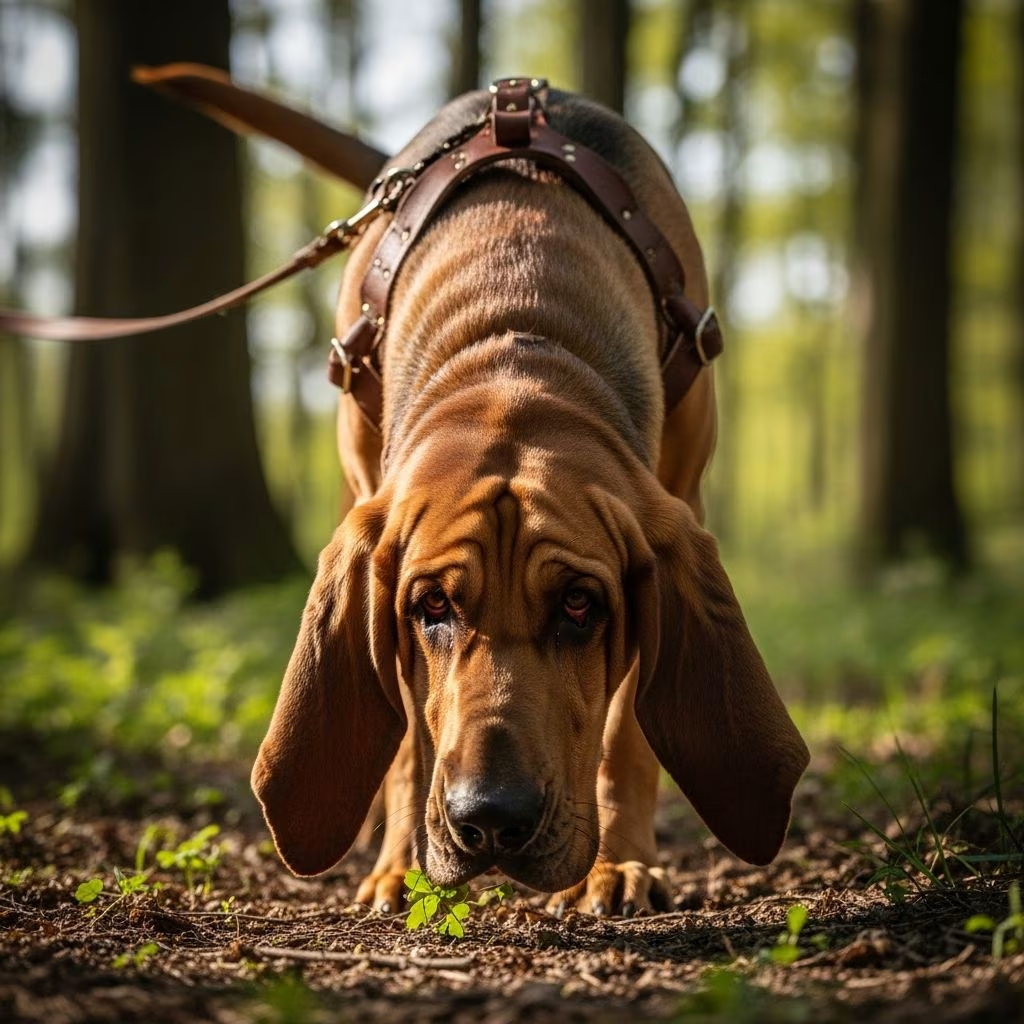
Bloodhounds, renowned for their exceptional sense of smell and gentle demeanor, require tailored training approaches to channel their natural instincts into desirable behaviors. Effective training builds a strong bond, prevents stubborn tendencies, and ensures safety, particularly given their tracking drive that can lead them off-leash into hazards.
Understanding the Bloodhound Temperament
Bloodhounds possess a unique blend of curiosity, independence, and eagerness to please. Their olfactory prowess, among the strongest in the canine world, often overrides focus during training, making them prone to following scents rather than commands. Owners must establish leadership through calm authority rather than dominance, as harsh methods breed withdrawal in these sensitive hounds.
Key temperament traits include:
- High independence: They may test boundaries, requiring firm yet patient guidance.
- Scent obsession: Distractions from odors demand controlled environments for initial lessons.
- Gentle nature: Respond best to praise and rewards, fostering trust and cooperation.
Recognizing these qualities allows trainers to adapt methods, turning potential challenges into strengths for a harmonious household dynamic.
Foundational Principles of Positive Reinforcement
Positive reinforcement forms the cornerstone of successful Bloodhound training, leveraging treats, praise, and play to encourage repetition of good behaviors. Unlike punitive tactics, which erode confidence, rewards create enthusiastic learners. Prepare high-value treats like small liver pieces or soft chews in advance, delivering them immediately upon success to link actions with positive outcomes.
Maintain session brevity—ideally 5-10 minutes—to match their attention span, preventing frustration. Consistency in rewards reinforces reliability, while varying them occasionally sustains motivation without expectation of constant payouts.
Building Obedience from Puppyhood
Initiate training as early as 8 weeks, when puppies absorb information rapidly. Enroll in group obedience classes to socialize them amid distractions, teaching impulse control around scents and peers. Home practice complements this, focusing on one skill per session amid low-stimulation settings.
| Age Stage | Training Focus | Duration/Frequency |
|---|---|---|
| 8-12 weeks | Name recognition, basic sits | 5 min, 3x daily |
| 3-6 months | Heel, stay, recall | 10 min, 2x daily |
| 6+ months | Advanced commands, distraction proofing | 15 min, 1-2x daily |
This phased approach prevents overwhelm, gradually increasing complexity as maturity develops.
Core Commands Every Bloodhound Must Master
Prioritize five essential commands before advancing:
- Sit: Lure with a treat above the nose, guiding hindquarters down. Reward promptly.
- Down: From sit, lower treat to ground between paws, encouraging collapse.
- Stay: Command sit, hold palm out, step back incrementally, returning to reward.
- Come (Recall): Use in safe areas; call name enthusiastically, reward heavily to counter scent pull.
- Heel: Walk with treat at knee level, rewarding position beside you.
Use single-word cues consistently, avoiding verbose instructions. Practice in varied locations, starting distraction-free, to generalize obedience.
Overcoming Common Training Hurdles
Bloodhounds often bay vocally when excited or frustrated, ignore calls mid-scent, or pull relentlessly on leashes. Address baying by ignoring until quiet, then rewarding silence. For recall failures, never chase—turn playful, enticing return with toys.
Leash pulling demands a no-pull harness and stop-start technique: halt motion upon tension, resuming when slack. Patience is vital; sessions tainted by owner frustration condition avoidance. Incorporate breaks, celebrating small wins to sustain positivity.
Integrating Scent Work into Everyday Training
Leverage their genetic gift for tracking with structured scent games. Begin indoors: hide treats under cups, progressing to drags with meal kibble over 50-100 feet, culminating in food rewards. This satisfies instincts while reinforcing commands like ‘find it’ paired with recall.
Outdoor sessions in fenced areas build endurance. Always end leashed or enclosed—unfettered Bloodhounds pursue scents heedless of roads, per American Bloodhound Club guidelines emphasizing secure exercise zones.
Exercise and Routine for Optimal Learning
A fatigued Bloodhound trains better; aim for 30-60 minutes daily walks on soft surfaces, plus play. Puppies under 6 months limit hard impacts to safeguard joints. Split meals twice daily, soaking kibble to reduce bloat risk, and elevate bowls 8-12 inches.
Weekly nail trims prevent slippage; desensitize gradually with tiny weekly cuts using clippers or Dremel, building tolerance through treats.
Advanced Training Milestones
Once basics solidify, introduce off-leash reliability in enclosures, distance stays, and emergency stops. Group classes simulate real-world chaos, vital for scent-prone breeds. Track progress via milestones:
- Week 1-2: Consistent sits in new rooms.
- Month 1: Reliable recall 80% indoors.
- Month 3: Heeling past mild distractions.
Board-and-train programs offer intensive immersion for stubborn cases, yielding calm public demeanor as demonstrated in specialized obedience videos.
Health Considerations Impacting Trainability
Bloodhounds prone to hip dysplasia, ear infections, and bloat benefit from training that promotes fitness. Short, frequent sessions aid joint health; monitor ears post-exercise, cleaning weekly. Balanced nutrition fuels focus—consult vets for breed-specific diets mitigating gastric issues.
FAQs
How long until a Bloodhound puppy learns basic commands?
Typically 4-8 weeks with daily practice, though scent distractions may extend timelines. Consistency accelerates mastery.
Can adult Bloodhounds be trained effectively?
Yes, though slower than puppies; revert to basics with high-value rewards to rebuild habits.
What if my Bloodhound ignores commands outdoors?
Practice long-line recalls in fenced yards, gradually reducing length while increasing distractions.
Are treats necessary for Bloodhound training?
Essential initially for motivation; phase to verbal praise as behaviors solidify.
Is crate training recommended?
Highly; provides security, aids housebreaking, and prevents scent-led escapes.
Long-Term Success Strategies
Sustain training lifelong through daily reinforcement, adapting to life changes like family additions. Track behaviors in journals, adjusting for regressions during adolescence (6-18 months). Involve family in sessions for unified cues, preventing confusion. Professional trainers aid complex issues, ensuring a lifetime of joyful companionship.
Bloodhounds thrive under dedicated owners who embrace their quirks. With methodical, positive approaches, these majestic hounds become loyal, controllable partners ready for adventures—safely leashed, of course.
References
- Bloodhound 101 — American Bloodhound Club. Accessed 2026. https://www.americanbloodhoundclub.org/bloodhound-101/
- General Canine Training Guidelines — American Kennel Club (via breed standards). 2025-01-15. https://www.akc.org/dog-breeds/bloodhound/
- Positive Reinforcement in Scent Hounds — United Kennel Club. 2024-06-20. https://www.ukcdogs.com/bloodhound
- Hip Dysplasia Prevention in Large Breeds — Orthopedic Foundation for Animals. 2025-03-10. https://ofa.org/diseases/hip-dysplasia/
- Gastric Dilatation-Volvulus in Deep-Chested Dogs — Morris Animal Foundation. 2024-11-05. https://www.morrisanimalfoundation.org/article/gdv-bloat-dogs



