

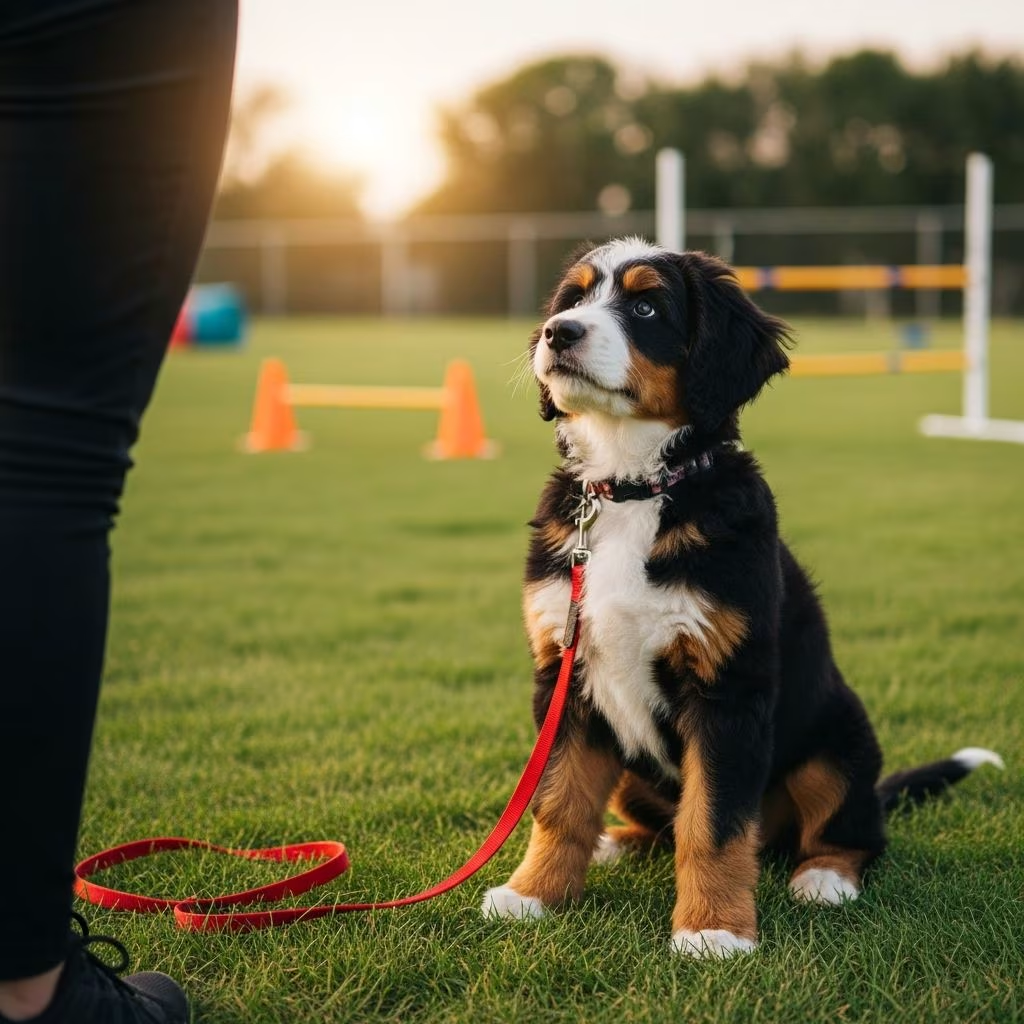
Bernedoodles, the charming hybrid of Bernese Mountain Dogs and Poodles, combine loyalty, intelligence, and playfulness into one irresistible package. Their trainability stems from the Poodle’s sharp mind and the Bernese’s gentle nature, making them responsive learners when guided properly. This guide provides a fresh roadmap to training your Bernedoodle, emphasizing patience, positivity, and consistency to foster a happy, obedient companion.
Understanding Your Bernedoodle’s Unique Traits
Before diving into techniques, grasp what makes Bernedoodles tick. These dogs inherit a mix of calm demeanor from their Bernese side and high intelligence from Poodles, resulting in eager-to-please pups that thrive on mental stimulation. They can grow large, with sizes varying by generation (F1, F1B), so early training prevents behavioral issues from their energetic puppy phase. Temperamentally, they are affectionate and family-oriented but may exhibit stubborn streaks during adolescence if not addressed promptly.
Key characteristics include:
- Intelligence: Quick to learn commands but needs variety to stay engaged.
- Energy Levels: Moderate to high, requiring daily exercise alongside training.
- Social Nature: Loves people and other dogs, but poor socialization leads to shyness or overexcitement.
Recognizing these traits allows tailored training that plays to their strengths, ensuring long-term success.
Foundational Principles for Effective Training
Success with Bernedoodles hinges on core principles derived from expert breeder insights. Start training between 8-12 weeks, when their brains are most receptive, but limit sessions to 5-10 minutes to match short attention spans. Consistency across family members is non-negotiable—mixed signals confuse these sensitive dogs.
Above all, employ positive reinforcement: treats, praise, and play reward desired behaviors, building confidence without fear. Avoid yelling or physical corrections, as they can breed anxiety in this breed. Pack leadership matters too; maintain calm authority through firm, low-energy responses to unwanted actions, using leash pressure or a sharp ‘no’ sound if needed.
Essential Puppy Training Milestones
Puppies form habits quickly, so prioritize these milestones in the first months.
Name Recognition and Focus Building
The cornerstone is getting your pup to respond to their name. Use a cheerful tone in quiet settings, rewarding eye contact with treats. Practice amid mild distractions like household noises to build focus. This ‘name game’ sets the stage for all commands, teaching them you’re the source of good things.
Housebreaking: Building Clean Habits
Potty training demands a rigid schedule. Take pups out first thing in the morning, post-meals (15-30 minutes after eating), after naps, during play breaks every 45 minutes, and before bed. Choose a consistent outdoor spot, praise lavishly upon success, and clean accidents with enzymatic cleaners to erase scents. Track progress in a journal to spot patterns and adjust.
| Time of Day | Action | Tips |
|---|---|---|
| Morning | Immediate outdoor trip | Praise + short play |
| After Meals | 15-30 min wait | Walk to stimulate |
| Playtime | Every 45 min | Watch for sniffing |
| Bedtime | Last potty break | No water 2 hrs prior |
Crate Training: Creating a Secure Haven
View the crate as a safe den, not punishment. Introduce it with treats and toys inside, feeding meals through the bars. Begin with brief confinements (5 minutes) while you’re home, gradually extending to naps and overnight. Pair with exercise to link it to rest, reducing separation anxiety. By 12 weeks, most Bernedoodles crate happily for hours.
Core Obedience Commands Step-by-Step
Basic commands provide structure. Teach one at a time, using lures before verbal cues.
- Sit: Hold a treat over the nose, arc it back until haunches drop. Say ‘sit’ once as they comply, then reward. Practice 10x daily.
- Down: From sit, lure treat to the ground between paws. Add verbal cue when reliable.
- Stay: Command sit, step back one foot for 1-2 seconds, return to reward. Build duration and distance gradually.
- Come: In a safe area, call name + ‘come’ excitedly, reel in gently if needed, jackpot reward (multiple treats).
- Leave It: Place treat on floor under your foot, reward from hand when ignoring.
Integrate into daily routines: sit before meals, stay during grooming.
Socialization: Shaping a Confident Adult
Between 8-16 weeks, expose your Bernedoodle to diverse stimuli: people, dogs, cars, vacuums, in positive, controlled ways. Puppy classes are ideal for safe interactions. Aim for 100 positive experiences to prevent fearfulness. Monitor body language—relaxed ears and wagging tail signal comfort.
Leash Manners and Preventing Common Issues
Bernedoodles pull due to size and curiosity. Start indoors with a light leash, rewarding heel position. Outdoors, stop walking when they forge ahead, resume on loose leash. For jumping, turn away and withhold attention until paws settle. Mealtime manners: make them sit/wait for ‘okay’ release, teaching impulse control.
Advanced Training for Peak Performance
Once basics stick, advance to off-leash reliability, agility, or tricks. Enroll in professional classes for distractions like crowds. High-energy Bernedoodles excel in agility, weaving poles and hurdles to channel smarts and stamina. Therapy training suits their gentle side—focus on calm stays amid strangers.
Distraction-proofing: Practice commands in parks, using high-value rewards. Videos show success with eye contact amid excitement. Adolescence (6-18 months) tests patience; double consistency here.
Exercise and Mental Enrichment
Training pairs with 30-60 minutes daily exercise: walks, fetch, puzzle toys. Mental games like scent work tire them as much as runs. Lack of stimulation leads to chewing or barking.
Frequently Asked Questions (FAQs)
How long until my Bernedoodle puppy is fully trained?
Basics by 6 months with daily practice; full reliability by 2 years, accounting for growth phases.
What treats work best for training?
Small, soft bits like chicken or cheese; vary to maintain interest.
My adult Bernedoodle ignores commands—what now?
Revert to basics with high rewards, rule out health issues, consider pro trainer.
Is crate training cruel?
No, when done gradually—it’s instinctual and aids housebreaking.
Can Bernedoodles do agility?
Yes, their athleticism shines; start post-basics.
Tips for Long-Term Training Success
- Short, frequent sessions beat marathons.
- Track progress weekly.
- Family buy-in ensures consistency.
- Adapt for size—mini vs. standard needs differ slightly.
- Patience during teething/teen phases.
With these strategies, your Bernedoodle becomes a model citizen, enriching your life for years.
References
- 21 Tips to Help Train Your Bernedoodle Puppy — Fox Creek Farm. 2023. https://goldendoodles.net/21-tips-to-help-train-your-bernedoodle-puppy/
- The Ultimate Guide to Bernedoodle Puppy Training — Wisconsin Designer Doodles. 2024. https://www.wisconsindesignerdoodles.com/stokeshire-doodle-puppy-blog/bernedoodle-puppy-training
- Puppy Training Guide — Premier Doodles. 2023. https://www.premierdoodles.com/puppy-training-guide
- Training a Bernedoodle when EXCITED with LOTS of Distractions! — YouTube (Will Atherton). 2023. https://www.youtube.com/watch?v=3Yocd63-XKA
- Training — Great Lakes Bernedoodles. 2024. https://www.greatlakesbernedoodles.com/training



