

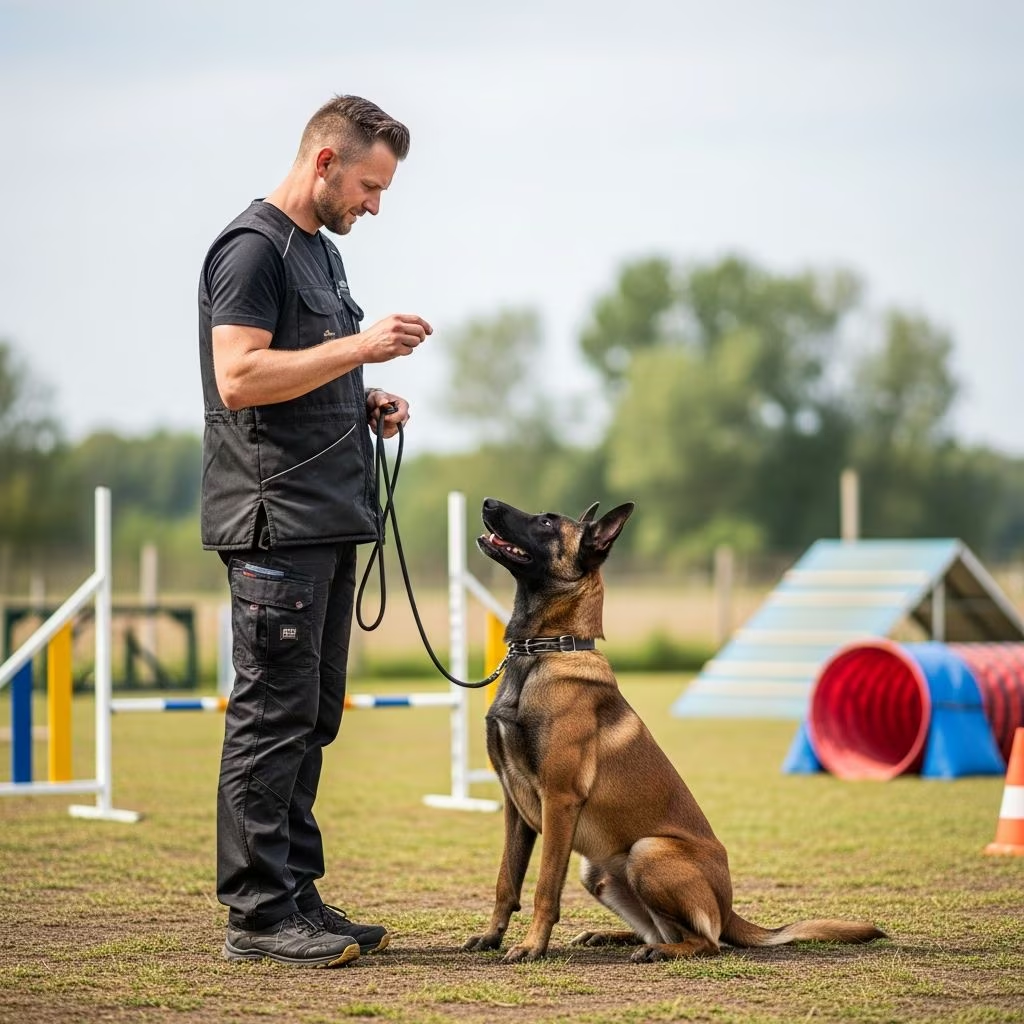
The Belgian Malinois stands out as a breed renowned for its sharp intellect, unwavering loyalty, and boundless energy. Originating from herding lines, these dogs excel in demanding roles like police work, search and rescue, and protection. Training a Malinois requires commitment, consistency, and an understanding of their unique traits to transform their intensity into positive behaviors.
Understanding the Belgian Malinois Breed Profile
Belgian Malinois dogs possess a muscular, athletic build with males typically measuring 24-26 inches tall and weighing 55-75 pounds, while females are slightly smaller at 22-24 inches and 40-60 pounds. Their short, straight double coat in fawn, mahogany, or red tones features black masking and tips, providing weather resistance ideal for outdoor work. This elegant robustness supports their natural tendency for constant motion and endurance.
Their temperament combines high intelligence, protectiveness, and eagerness to work. Mals form deep bonds with handlers, thriving on human interaction and purposeful tasks. Without proper outlets, their drive can lead to restlessness or mischief.
| Physical Trait | Males | Females |
|---|---|---|
| Height | 24-26 inches | 22-24 inches |
| Weight | 55-75 lbs | 40-60 lbs |
| Coat | Short, fawn/mahogany with black mask | Same |
Key Temperament Traits and Challenges
Intelligent and observant, Belgian Malinois grasp commands swiftly but demand firm, confident leadership. Their protective instincts make them vigilant guardians, yet early socialization prevents shyness or over-aggression. High prey drive prompts chasing moving objects, necessitating impulse control training. They excel with families if raised inclusively but may herd children by nipping heels instinctively.
- Strengths: Loyal, quick learners, versatile workers
- Challenges: High energy, potential dominance with other dogs, need for mental stimulation
- Family Fit: Best for active households; not ideal for apartments or sedentary owners
Mals crave companionship and dislike isolation, potentially becoming destructive if kenneled long-term. Daily engagement prevents issues like furniture chewing or excessive barking.
Starting Training: Puppy Foundations
Begin training Belgian Malinois puppies as early as 8 weeks. Their receptive minds absorb lessons rapidly, building a base for advanced skills. Focus on positive reinforcement using treats, praise, and toys to harness their eagerness to please.
Essential Puppy Skills:
- Crate Training: Introduce a crate as a safe den. Use it for short periods initially, rewarding calm entry to foster security.
- Housebreaking: Establish a routine with frequent outdoor breaks after meals, play, and naps. Praise successes immediately.
- Leash Walking: Practice loose-leash walking in quiet areas, rewarding attention on you to counter pulling.
Consistency across family members prevents confusion. Short, frequent sessions (5-10 minutes) match short attention spans.
Basic Obedience Commands for Everyday Control
Core commands form the bedrock of Malinois training. Teach in distraction-free environments, gradually increasing challenges.
- Sit: Hold a treat above the nose, moving it back until haunches drop. Reward and release.
- Stay: From sit, raise palm and step back one step. Build duration and distance slowly.
- Come (Recall): Use a cheerful tone in safe spaces. Practice with long lines for reliability.
- Down: Lure from sit by lowering treat to ground, extending forward.
- Leave It: Place treat in fist; reward from other hand when ignoring closed fist.
Practice daily, integrating into routines like mealtimes. High-value rewards motivate this driven breed.
Socialization: Building a Confident Companion
Socialization from puppyhood exposes Mals to diverse stimuli, curbing territorial tendencies. Aim for positive encounters with people, dogs, sounds, and environments weekly.
Socialization Checklist:
- Puppy classes for controlled play
- Walks in parks meeting strangers
- Car rides and vet visits
- Introductions to household pets under supervision
Monitor body language: relaxed ears and wagging tail indicate comfort. Intervene early if stiffening occurs. Well-socialized Mals adapt seamlessly to family life and public settings.
Advanced Training for Working Potential
Once basics solidify, advance to agility, tracking, or protection. Their herding heritage suits sports like obedience trials and herding trials.
Agility Training: Teach jumps, tunnels, and weaves using positive luring. Their athleticism shines here, burning energy effectively.
Scent Work: Hide toys or treats, progressing to formal tracking. Appeals to their observant nature.
Professional guidance recommended for protection sports to ensure safety and control.
Exercise Regimens to Match Their Drive
Belgian Malinois require 60-90 minutes of vigorous daily exercise. Combine physical and mental activities to prevent boredom-induced destruction.
| Activity | Duration | Benefits |
|---|---|---|
| Running/Biking | 30-45 min | Cardio endurance |
| Fetch/Hiking | 45 min | Prey drive outlet |
| Obedience Drills | 20 min | Mental sharpness |
| Swimming | 20 min | Low-impact joints |
Incorporate puzzle toys and scent games indoors. Insufficient outlets lead to chewing or digging.
Addressing Common Behavioral Issues
Proactive training mitigates problems like hyperactivity or reactivity.
- Excessive Energy: Increase structured play; teach “settle” on a mat.
- Prey Drive: Redirect with toys; use “leave it” consistently.
- Dominance with Dogs: Controlled introductions; reward calm interactions.
- Separation Anxiety: Gradual alone time with comforts; desensitize departures.
Harsh corrections backfire; opt for redirection and prevention.
Nutrition and Health Considerations in Training
Fuel training with high-quality, protein-rich diets supporting lean muscle. Monitor weight to avoid joint strain during intense sessions. Regular vet checks ensure peak condition for learning.
Tools and Gear for Effective Training
Invest in durable leashes, harnesses, clickers, and long lines. Martingale collars aid loose-leash training without choking risk.
Long-Term Success: Lifelong Learning
Training evolves with age. Seniors benefit from gentle mental games maintaining sharpness. Consistent reinforcement solidifies bonds and behaviors.
Frequently Asked Questions
Are Belgian Malinois good for first-time owners?
No, their demands suit experienced handlers committed to daily structure.
How much exercise does a Malinois need?
At least 60 minutes of intense activity daily, plus mental work.
Can Malinois live in apartments?
Not ideally; they need space to run and avoid neighbor disturbances.
Is early socialization crucial?
Yes, prevents fear-based aggression and builds confidence.
What if my Malinois is destructive?
Boost exercise and training; rule out medical issues.
References
- Belgian Malinois Dog Breed Health and Wellness Guide — CareCredit. 2023. https://www.carecredit.com/well-u/pet-care/belgian-malinois-dog-breed/
- Belgian Malinois Dog Breed Information and Pictures — DogBreedInfo. N/A. https://www.dogbreedinfo.com/belgianmalinois.htm
- Belgian Malinois Breed: Characteristics, Care & Photos — Chewy. 2024. https://www.chewy.com/education/dog-breeds/belgian-malinois
- Belgian Malinois Dog Breed — Hill’s Pet. 2023. https://www.hillspet.com/dog-care/dog-breeds/belgian-malinois
- Belgian Malinois Dog Breed Health and Care — PetMD. 2024. https://www.petmd.com/dog/breeds/belgian-malinois
- Belgian Shepherd — Wikipedia. 2025. https://en.wikipedia.org/wiki/Belgian_Shepherd
- Belgian Malinois Dog Breed Information — AKC. 2024. https://www.akc.org/dog-breeds/belgian-malinois/



