

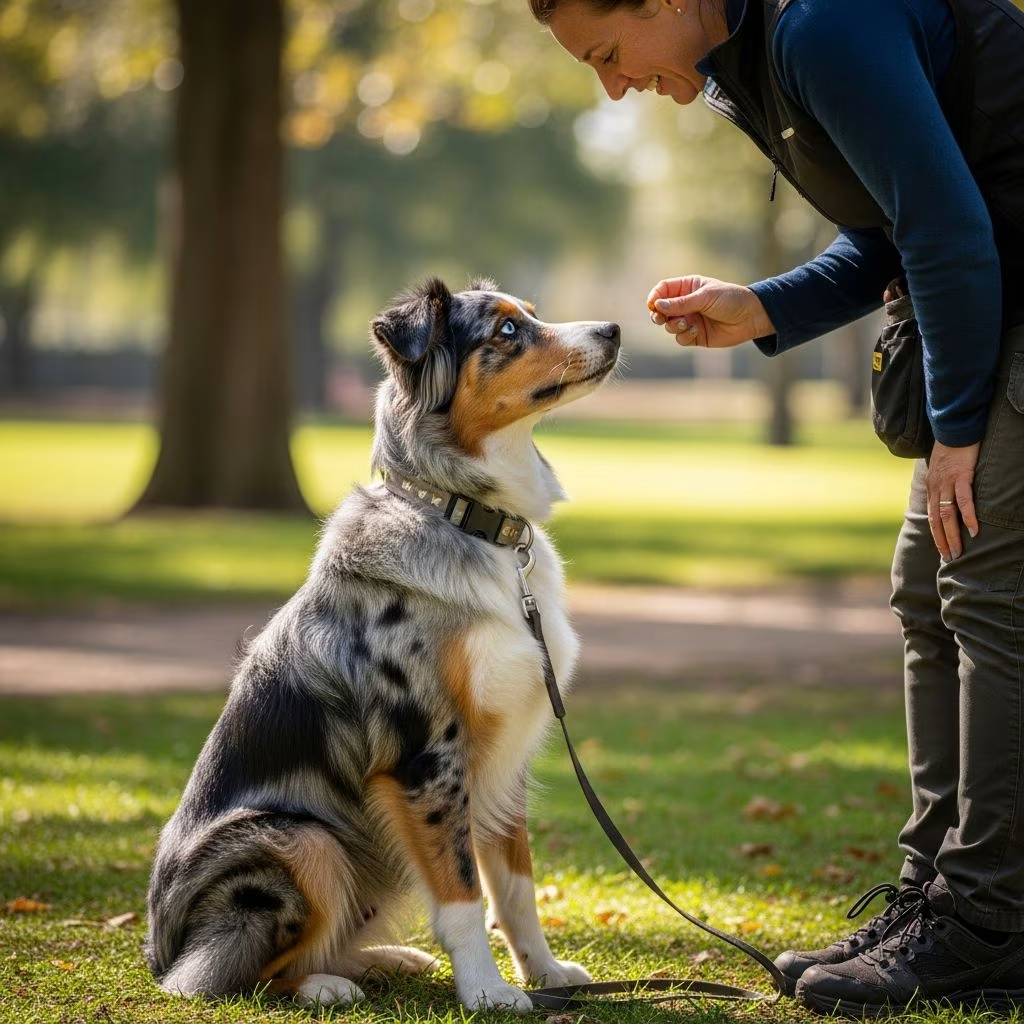
Australian Shepherds, often called Aussies, are renowned for their intelligence, agility, and boundless energy. Originating as herding dogs, they thrive on mental challenges and physical activity, making consistent training essential for a harmonious life together. This guide provides a fresh roadmap to develop your Aussie into a confident, obedient partner, drawing on expert insights for every stage of development.
Understanding the Aussie Mindset
These dogs possess a sharp problem-solving ability honed from generations of working livestock. Their herding heritage means they often try to “manage” their environment, including family members or other pets, if not properly directed. Early training channels this drive positively, preventing unwanted behaviors like nipping at heels or excessive barking. Patience and positivity are key, as Aussies respond best to reward-based methods rather than harsh corrections.
- High intelligence: They learn commands quickly but bore easily with repetition.
- Energy levels: Require 1-2 hours of daily exercise to stay balanced.
- Social needs: Crave interaction and structure from their pack leader.
Building Foundations in Puppyhood (8-16 Weeks)
The first few months set the tone for lifelong success. Focus on creating positive associations with learning while establishing household routines. Aussies at this age are sponges for new experiences, so prioritize short, fun sessions to match their developing attention spans.
Core Commands to Teach First
Begin with name recognition, as it forms the basis for all future cues. Say your pup’s name in a cheerful tone, rewarding eye contact with treats. Progress to “sit” by luring with a treat held above their nose, moving it back until their bottom drops. Pair the word “sit” at the exact moment of action, then reward lavishly.
| Command | Steps | Tips |
|---|---|---|
| Sit | 1. Lure with treat over head. 2. Say “sit” as haunches lower. 3. Reward immediately. | Practice before meals to boost motivation. |
| Down | 1. From sit, lure treat to ground. 2. Guide elbows forward. 3. Praise and treat. | Use soft surfaces for comfort. |
| Come (Recall) | 1. Call name + “come” excitedly. 2. Back away to encourage chase. 3. Reward with play or treats. | Start indoors, one person only. |
Socialization Essentials
Expose your puppy safely to diverse stimuli: gentle strangers, varied surfaces, household noises, and vaccinated playmates. Avoid crowded dog parks until fully vaccinated. Controlled introductions build confidence, reducing future reactivity. Aim for 100 positive encounters by 16 weeks.
Crate and Potty Training Mastery
Crate training prevents accidents and provides a secure den. Introduce the crate with treats and meals inside, gradually increasing alone time. For potty training, select a consistent outdoor spot and schedule trips after eating, playing, and naps. Puppies this young eliminate every 30-60 minutes, so vigilance pays off. Use enzymatic cleaners for mishaps to eliminate scents.
Advancing Skills by 6 Months
By half a year, your Aussie should master basics and crave more complexity. Reinforce foundations while introducing leash manners and impulse control. This stage often brings a “teenage” testing phase around 1.5 years, so consistency from the family is crucial—everyone must enforce the same rules.
Leash Walking Without Pulls
Aussies pull due to excitement or herding instincts. Teach loose-leash walking off-leash first in a secure area: reward proximity to your side with treats, using circles to guide position. Transition to leash, stopping when tension occurs until slack returns. Practice daily for 10-15 minutes.
- Start in low-distraction zones.
- Use high-value rewards like chicken.
- Gradually add distance and turns.
Mental Workouts for Smart Pups
Physical romps alone won’t suffice; incorporate puzzles like toy-in-box games or scent work. Teach “watch me” for focus: reward voluntary eye contact, then cue it. Obedience classes or flyball provide structured outlets for their athleticism.
Adolescent Challenges and Solutions (6-18 Months)
Energy peaks, and selective listening emerges. Revisit basics if regression occurs—short sessions end positively to rebuild eagerness. Address reactivity with counterconditioning: pair distant triggers (e.g., other dogs) with treats, slowly closing distance.
- Jumping: Turn away and withhold attention until all paws land.
- Barking: Teach “quiet” by rewarding silence after a bark.
- Herding nips: Redirect to toys; ignore unwanted pursuit.
Exercise Regimens Tailored to Aussies
Daily needs: 60-120 minutes of vigorous activity. Mix hikes, fetch, agility drills, and herding simulations (e.g., flirt poles). Mental fatigue trumps physical—rotate tricks to prevent boredom.
| Activity Type | Duration | Benefits |
|---|---|---|
| Walks/Hikes | 30-45 min | Endurance, sniffing exploration. |
| Fetch/Flyball | 20 min | Speed, teamwork. |
| Puzzle Toys | 15 min | Problem-solving, calm focus. |
| Livestock Work | Variable | Instinct satisfaction (supervised). |
Advanced Training for Herding Pros
For working lines, introduce stock sense under expert guidance. Teach directional cues like “outrun” or “drive.” Sports like treibball channel instincts safely. Always prioritize safety gear and professional oversight.
Common Pitfalls and Fixes
Inconsistency: Family alignment prevents confusion.
Over-drilling: Keep sessions under 10 minutes for pups; vary tasks.
Neglecting mental health: Bored Aussies invent mischief—rotate enrichments weekly.
FAQs
How long are ideal training sessions for an Aussie puppy?
5-10 minutes, multiple times daily, to match short attention spans and ensure positive endings.
Can Australian Shepherds be trained without treats?
Treats accelerate learning, but phase to praise/play for maintenance. Positive reinforcement builds eagerness.
What if my Aussie ignores recall outdoors?
Practice on long lines first; never free-run off-leash until 100% reliable. Increase reward value.
Is crate training cruel for high-energy breeds?
No, when introduced gradually—it’s a safe space that aids housebreaking and prevents destructive chewing.
How much exercise does an adult Aussie need?
1-2 hours daily, blending physical and mental to curb hyperactivity.
Long-Term Success Strategies
Lifelong learning keeps bonds strong. Enroll in advanced classes, track progress in a journal, and adapt to life changes like adding family members. A trained Aussie becomes a versatile family member, excelling in homes, farms, or sports arenas.
References
- How to Train an Australian Shepherd Puppy: Timeline & Milestones — American Kennel Club (AKC). 2023. https://www.akc.org/expert-advice/dog-breeds/how-to-train-an-australian-shepherd-puppy-timeline-milestones/
- Great Dog Training Tips for the Heel Position with an Australian Shepherd — Dog Gone Problems. 2023. https://www.doggoneproblems.com/fergie-aussie/
- Raising an Australian Shepherd: Temperament and Development — South Texas Aussie Rescue. 2024. https://www.southtexasaussierescue.org/raising-an-australian-shepherd-temperament-and-development/
- Training Your Aussie — Faithwalk Aussies. 2023. https://www.faithwalkaussiesmas.com/training-your-aussie
- 3 TIPS FOR TRAINING YOUR AUSTRALIAN SHEPHERD — YouTube (Training Video). 2023. https://www.youtube.com/watch?v=4tTjXiJd1JQ



