

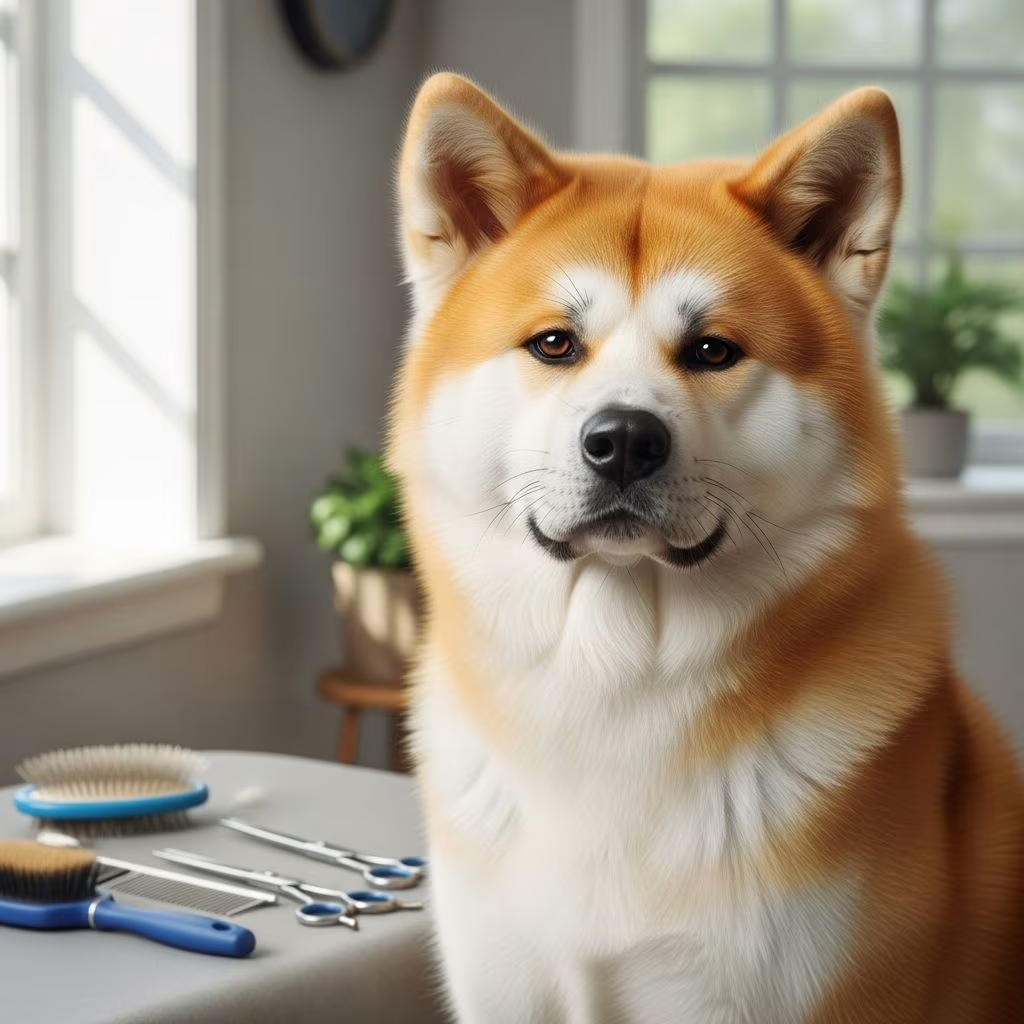
The Akita, a majestic breed originating from Japan, boasts a striking double coat that demands thoughtful care to stay in top condition. This dense outer layer repels water and harsh weather, while the plush undercoat provides insulation. Proper grooming not only enhances their noble appearance but also promotes skin health, minimizes shedding around the home, and strengthens the bond between you and your canine companion. With consistent routines, Akita owners can manage heavy seasonal sheds and daily loose fur effectively.
Understanding the Akita’s Unique Coat Structure
Akitas feature a harsh, straight outer coat that stands away from the body, offering protection from elements, paired with a soft, thick undercoat for warmth. This structure makes them resilient in cold climates but prone to overheating in warmer months. Shedding intensifies twice annually, when the undercoat blows out in large quantities, followed by the guard hairs. Outside these periods, light daily shedding occurs, necessitating regular maintenance to prevent mats and tangles.
Genetic factors influence coat length variations; standard Akitas have shorter fur, while long-coated variants require extra attention around sensitive areas like ears to avoid matting. Regular inspection during grooming sessions allows early detection of skin issues, such as benign cysts in older dogs or calluses on elbows from resting on hard surfaces.
Essential Tools for Effective Akita Grooming
Equipping yourself with the right tools simplifies the process and ensures safety. A pin brush glides through the outer coat for daily use, while a shedding rake or undercoat rake targets loose undercoat during heavy sheds. Metal-toothed combs separate shedding fur from new growth, reducing itchiness that prompts scratching.
- Brushes: Pin brushes for everyday detangling; slicker brushes for fine-tuning.
- Rakes and Combs: Undercoat rakes for deshedding; wide-toothed combs for mat prevention.
- Trimmers: Cordless clippers with guards for sanitary areas, paws, and face; small trimmers for eyes and ears.
- Nail Care: Guillotine-style clippers or rotary tools like Dremels for gradual shortening; nail files for smoothing.
- Bathing Supplies: Pet-specific shampoos, rubber mats for traction, high-velocity dryers.
Invest in quality items to avoid skin irritation. For instance, blunt scissors or tweezers thin bushy ear hair safely, preventing debris buildup.
Building a Consistent Brushing Routine
Daily brushing, even if brief, keeps the coat manageable and your home fur-free. Start with a pin brush to remove surface dirt and loose hairs, then follow with a shedding rake during peak seasons to pull out undercoat efficiently. Brush in the direction of hair growth, from head to tail, paying special attention to the neck, chest, tail base, and hindquarters where fur thickens.
Weekly sessions with a metal comb speed up shedding by loosening dead fur. For long-coated Akitas, focus on ears and feathered areas to prevent painful mats. This practice not only reduces vacuuming needs but also distributes natural oils, promoting shine and skin health. Owners report less scratching post-brushing, as it alleviates itch from trapped shed hairs.
| Brushing Frequency | Purpose | Tools Recommended |
|---|---|---|
| Daily | Remove loose fur, prevent mats | Pin brush, slicker brush |
| Weekly | Deep deshedding | Shedding rake, metal comb |
| Bi-weekly | Mat check and oil distribution | Wide-tooth comb |
Step-by-Step Bathing Guide for Double-Coated Akitas
Bathe sparingly—every 3-6 months or as needed for shows—to preserve natural oils. Overbathing strips the coat’s protective layer, leading to dryness. Prepare by brushing thoroughly to loosen debris. Use lukewarm water in a tub with a non-slip mat, wetting from neck down while shielding face, ears, and eyes.
Massage in a mild, oatmeal-based shampoo, lather well, then rinse completely to avoid residue. Towel-dry gently, followed by a high-velocity dryer on low heat to blast away moisture and remaining loose fur. Air-dry in a warm, draft-free area. For calluses, apply jojoba oil post-bath if cracks appear, and consult a vet for infections.
- Pre-brush to remove mats.
- Wet coat excluding head.
- Shampoo and rinse meticulously.
- Dry with towels and blower.
- Final brush for fluffiness.
Precision Trimming Techniques for Hygiene and Comfort
Trimming maintains neatness and hygiene without altering the natural coat. Use clippers with guards for body shortening if preferred, starting at shoulders and working rearward. Focus on sanitary lifts, paw pads, chest tufts, and hocks to prevent dirt accumulation and infections.
For face work, employ small trimmers around eyes to reduce tear staining risks—wipe stains daily with a damp cloth. Thin ear fringes with tweezers, avoiding Q-tips to prevent injury. Trim with fur growth direction for smooth results, rewarding calm behavior throughout.
Safe Nail Trimming Strategies to Prevent Injury
Akitas’ nails grow quickly, especially in less active seniors, potentially causing splayed feet or gait issues if overgrown. Introduce clipping young with positive reinforcement: touch paws daily, then clip tiny amounts per session, treating after each nail.
Press paw pads to expose nails, clip below the quick (visible pink in light nails), and file edges. For dark nails, trim gradually or use a Dremel, acclimating your dog to the noise first. If resistance persists, seek veterinary assistance to avoid quicking, which causes pain and bleeding.
- Clip 1-2 nails per session initially.
- Use styptic powder for accidents.
- Frequency: Every 2-4 weeks.
Calming Techniques for Stress-Free Grooming Sessions
Akitas’ dignified nature often translates to grooming reluctance. Tire them with a pre-session walk or play to promote relaxation. Desensitize gradually: handle paws, ears, and tools daily with treats, building to full sessions.
Choose quiet environments, use gentle voices, and incorporate massages. For anxious dogs, pheromone collars or calming chews aid focus. Consistency fosters trust, turning grooming into enjoyable bonding time.
Seasonal Grooming Adjustments and Health Monitoring
Summer trimming lightens long fur patches for cooling; winter prioritizes insulation preservation. Monitor for ticks, fleas, lumps, or hot spots during brushes—prompt vet visits for abnormalities. Older Akitas may need softer tools and more frequent nail work due to reduced activity.
Maintain dental hygiene with brushes and enzymatic toothpaste weekly, as oral health reflects overall wellness.
Frequently Asked Questions (FAQs)
How often should I brush my Akita?
Daily for maintenance, increasing to multiple times weekly during shedding seasons.
Can I shave my Akita’s coat in summer?
No—double coats self-regulate; shaving risks sunburn and improper regrowth.
What if my Akita hates nail trimming?
Desensitize slowly with treats; consider professional help if needed.
Is frequent bathing okay for Akitas?
Limited to 3-6 times yearly to avoid drying the skin.
How do I handle heavy shedding?
Use rakes and combs daily; vacuum frequently and consider fur collectors.
Advanced Tips for Show-Ready Akitas
For competitions, enhance coat blow-outs with professional dryers and conditioners. Focus on tail curl presentation and ear set through precise scissoring. Genetics play a key role—embrace your dog’s natural traits while refining.
Grooming transcends aesthetics; it’s vital health care. By integrating these practices, your Akita thrives, exuding vitality and poise.
References
- Akita | Wahl USA — Wahl USA. Accessed 2026. https://wahlusa.com/pet-grooming/product-selector/dog/akita
- Akita Inu Grooming: Tips for Coat Care and Shedding — The Akita Inu. Accessed 2026. https://theakitainu.com/akita-inu-grooming/
- How to Calm an Akita Before Grooming — WagWalking. Accessed 2026. https://wagwalking.com/grooming/calm-an-akita-before-grooming



