Master Walking Two Dogs Together
Discover proven techniques to confidently handle two dogs on one walk, saving time while ensuring safety and enjoyment for all.
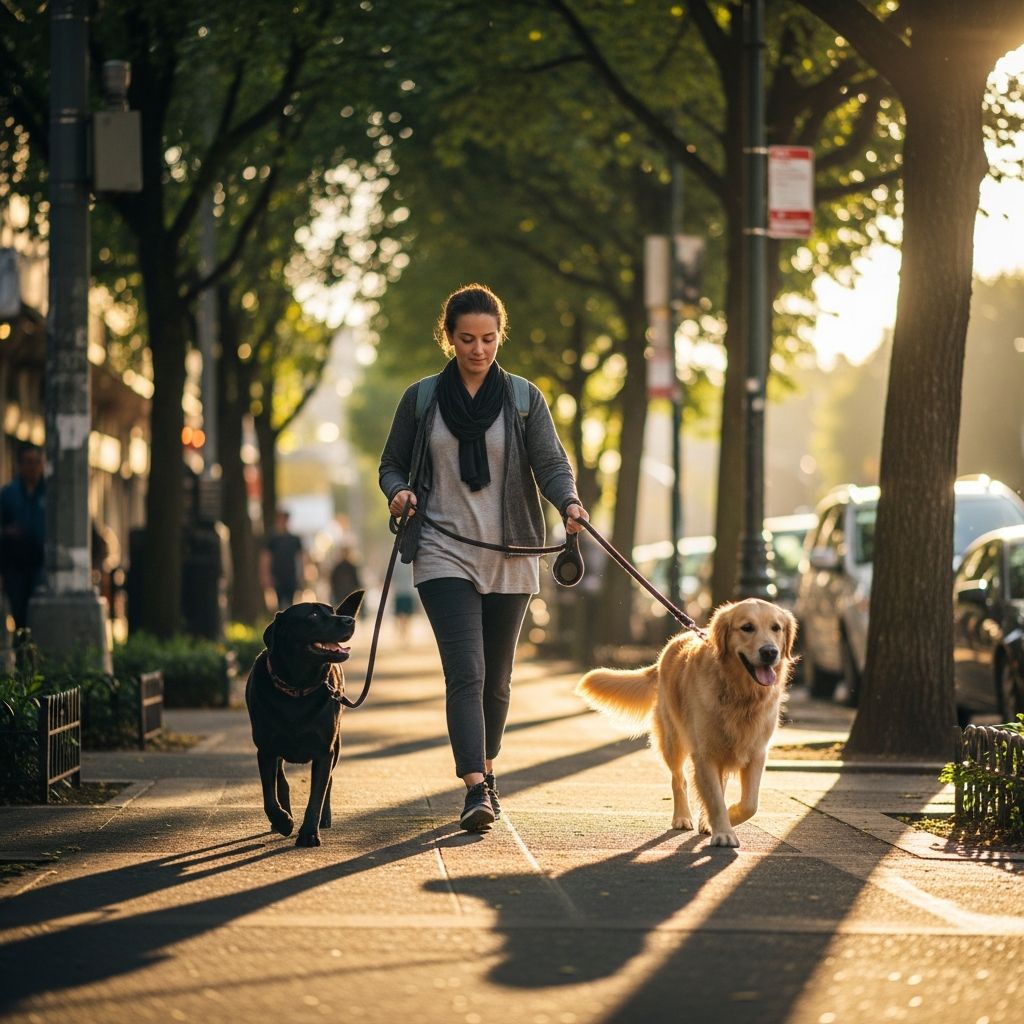
Handling two dogs on a single walk transforms exercise routines from time-consuming chores into efficient adventures. With proper preparation, anyone can manage multiple leashes confidently, promoting better behavior and stronger human-canine bonds. This guide outlines foundational training, equipment choices, step-by-step processes, and strategies for real-world challenges.
Building Individual Foundations First
Success with two dogs hinges on each one’s solo proficiency. Begin by ensuring every dog masters basic leash etiquette independently. This prevents chaos when combining them.
- Loose Leash Walking: Teach dogs to maintain slack in the leash without pulling. Reward calm pacing beside you using high-value treats like small pieces of chicken or cheese.
- Attention Commands: Train reliable “focus” or “look” cues. Practice amid mild distractions, gradually increasing intensity to build reliability.
- Basic Obedience: Solidify sit, stay, and heel positions. These stops provide control points during joint walks.
Dedicate 10-15 minute sessions daily per dog. Consistency yields results within weeks, setting a stable base for group outings.
Selecting the Right Equipment
Quality gear minimizes tangles and maximizes control. Skip gimmicks; prioritize functionality over novelty.
| Item | Recommendation | Why It Works |
|---|---|---|
| Leashes | 6-foot non-retractable, matching material/length | Uniformity reduces tangling; firm grip for dual handling |
| Collars/Harnesses | Well-fitted front-clip harnesses | Discourages pulling; comfortable for extended use |
| Extras | Treat pouch, waste bags, optional waist leash | Keeps hands free; quick rewards reinforce behavior |
Avoid retractables—they extend unpredictably, heightening injury risks. For initial tandem practice, consider dual clips on one dog temporarily.
Step-by-Step Introduction to Joint Walks
Transition from solo to duo methodically to foster calm coexistence.
- Partner-Assisted Starts: Enlist a helper for the less-trained dog. Use two leashes on that dog (collar + harness). Walk parallel on wide paths, gradually reducing the helper’s input.
- Quiet Zone Trials: Solo-handle in low-distraction areas like quiet fields. Keep walks short (5-10 minutes), rewarding synchronized heeling.
- Position Assignment: Designate sides—larger dog inside, smaller outside. No switching to prevent confusion and maintain balance.
- Command Integration: Use group cues like “together” or individual names + “heel.” Alternate with “free” for sniffing breaks, balancing structure and exploration.
Progress to busier routes only after 80% success in calm settings. Sessions build muscle memory for fluid movement.
Advanced Techniques for Control
Once basics solidify, layer in sophistication for varied environments.
- Reinforcement Zones: Create a “sweet spot” by your leg via paw targets or markers. Lure dogs to position with treats, fading prompts over time.
- Turn Drills: Practice inside/outside turns around props like cones. Teach smooth transitions to keep leashes untangled.
- Distraction Proofing: Introduce triggers progressively—squirrels, then passersby. Reward focus; gently redirect with leash cues.
Employ names for targeted corrections: “Fido, heel” isolates issues without disrupting the pair.
Navigating Common Challenges
Real walks bring unpredictability. Anticipate and counter these hurdles:
- Pulling Pairs: Stop immediately; resume only on slack. Uneven pullers need solo refreshers first.
- Leash Tangles: Hold both in dominant hand (knotted together), free hand for adjustments. Consistent positioning minimizes wraps.
- Reactivity: If one fixates, create distance with a wide arc. Use counter-conditioning: treats for calm onlookers.
- Energy Mismatch: Tire high-drive dogs solo first, or alternate lead roles.
When safety wanes—due to size disparities or aggression—walk separately or hire professionals. Prioritize welfare over convenience.
Benefits Beyond Efficiency
Group walks enrich pack dynamics. Dogs learn social cues from each other, reducing rivalry. Owners gain time for bonding elsewhere, like play or training. Health perks include consistent exercise, curbing obesity—vital as 59% of U.S. dogs are overweight per recent veterinary data.
Frequently Asked Questions
Can I use a coupler or splitter leash?
Only for perfectly matched, trained dogs. It limits individual control, risking pulls on the weaker link.
What if my dogs fight on leash?
Separate immediately. Address reactivity via desensitization with a trainer; joint walks may never suit them.
How long until they’re walk-ready together?
2-6 weeks with daily practice, depending on starting skills and consistency.
Is it safe for large breeds?
Yes, with robust gear and training. Largest dogs benefit from harnesses and no-retractables.
What treats work best?
Soft, smelly options like liver bits or hot dog slices—deliverable one-handed.
Long-Term Maintenance
Sustain progress with variety: change routes, add off-leash recalls in safe areas. Weekly solo refreshers prevent regression. Track via journal—note successes, tweak as needed.
Walking two dogs evolves from daunting to delightful. Patience yields empowered outings where dogs thrive beside you.
References
- Outnumbered: tips for walking two dogs at the same time — The Sniff. 2023. https://www.thesniff.com/walking-2-dogs/
- You Can Walk Two Dogs at Once — Whole Dog Journal. 2023. https://www.whole-dog-journal.com/lifestyle/you-can-walk-two-dogs-at-once/
- How to Walk Two Dogs at Once — Suburban K9 Dog Training (YouTube). 2022-10-15. https://www.youtube.com/watch?v=PE5O7EHqyGo
- How to Walk Two Dogs at Once the Safe Way — PetPlace.com. 2024. https://www.petplace.com/article/dogs/pet-care/how-to-walk-two-dogs-at-once-the-safe-way
- How To Walk Multiple Dogs: Step-by-Step Guide To Stress-Free Walks — Dogs That (Podcast). 2023. https://dogsthat.com/podcast/282/
Similar Articles








Read full bio of Sneha Tete