

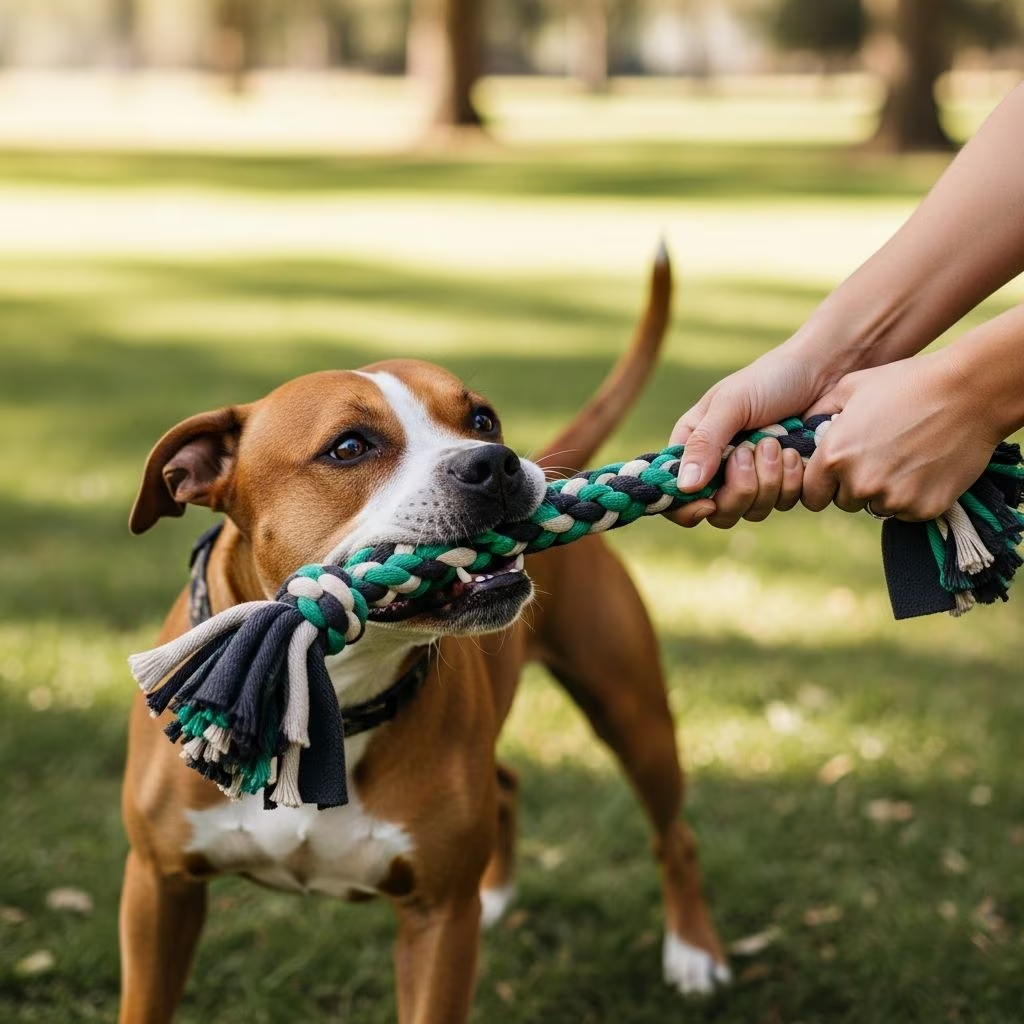
Tug-of-war is one of the most enjoyable and beneficial games you can share with your canine companion. Despite outdated beliefs that this game promotes aggression, modern dog training research demonstrates that tug-of-war actually strengthens the relationship between dog and owner while providing valuable mental and physical stimulation. When played correctly with proper boundaries and training protocols, tug-of-war becomes an excellent tool for teaching impulse control, building confidence, and channeling your dog’s natural prey drive in a constructive manner.
Understanding the Mechanics of Engaging Play
The foundation of successful tug-of-war begins with understanding how to manipulate the toy in ways that capture and maintain your dog’s interest. The key principle is to make the toy appear alive and irresistible through dynamic movement rather than passive presentation.
Instead of directly pushing the toy toward your dog’s face, which can overwhelm and discourage participation, use lateral movements that generate excitement. Drag the toy side to side across the ground, creating unpredictable patterns that trigger your dog’s hunting instincts. Move the toy away in quick, jerky motions, then reverse direction suddenly. Strike the toy gently against the ground to produce sounds and movements that capture attention. These techniques work because they mimic prey behavior that dogs naturally find compelling.
The teasing element is crucial for building enthusiasm. Wave the toy above your head with exaggerated movements, pretend to offer it to your dog, then quickly withdraw it before your dog can grasp it. This playful misdirection intensifies your dog’s motivation to participate in the game. The energy and excitement you project directly influences your dog’s engagement level, so channel genuine enthusiasm during these interactions.
Fundamental Safety Guidelines for Tug Play
Before beginning any tug-of-war sessions, establish clear safety parameters that protect your dog from injury and ensure the game remains enjoyable for both participants.
Direction and Intensity Considerations
The direction of tugging significantly impacts your dog’s physical safety. Vigorous vertical pulling motions that move the toy up and down can strain and potentially injure your dog’s spinal structure. Instead, restrict tugging movements to horizontal or sideways directions, which align with your dog’s natural skeletal mechanics and reduce injury risk.
Intensity should be calibrated based on your dog’s age and physical condition. Puppies and senior dogs possess more delicate musculature and skeletal systems compared to healthy adult dogs in their prime years. Play sessions with younger and older dogs should involve considerably less force and shorter durations. Healthy adult dogs can engage in more vigorous tugging, but even then, observe your dog’s comfort level and adjust accordingly.
Body Language and Behavioral Boundaries
Not all dogs are suitable candidates for tug-of-war, and recognizing when a dog is not appropriate for this game prevents behavioral problems from developing. If your dog exhibits signs of elevated arousal such as jumping on you, nipping at the toy unexpectedly, or grabbing at your hands with increased intensity, modify the playing environment. Establish a physical barrier between you and your dog, such as playing on opposite sides of a baby gate or inside an exercise pen. This containment allows your dog to engage in the game while preventing uncontrolled access to you.
Monitor your dog’s vocalizations and overall body language during play. Dogs often produce play-growls during tug-of-war, and this vocalization is completely normal. Distinguish between playful growling and resource-guarding aggression by observing the entire body context. Playful dogs display wagging tails, loose and wiggly body posture, and relaxed facial expressions. Conversely, concerning behaviors include intense growling accompanied by hard eye contact, rigid body posture, a stiff or lowered tail, and hard-mouthed grabbing that makes contact with your skin. If your dog displays aggression during tug play, discontinue the game immediately and consult with a force-free professional dog trainer who can properly assess the situation.
Establishing Foundational Rules and Obedience
Successful tug-of-war requires teaching your dog to respect boundaries and respond to commands that govern when play begins and ends. These rules create a framework within which your dog learns impulse control and appropriate behavior.
Teaching the Wait and Take Commands
Before presenting the tug toy, train your dog to wait patiently until explicitly invited to play. Hold the tug toy in plain sight and say “Wait” or “Leave it.” If your dog attempts to jump for the toy or grab it prematurely, respond with a neutral “Oops” and immediately conceal the toy behind your back. Repeat this sequence multiple times in different locations until your dog consistently restrains impulses to grab the toy when you display it. Once your dog reliably exhibits this patience, you can proceed to say “Take it” as an invitation to engage with the toy. This training component teaches your dog that toys are available only when you grant permission, establishing you as the controller of valued resources.
The Release Command Protocol
Teaching your dog to relinquish the toy on command is equally important as the previous component. This skill ensures you maintain control of the game and can stop play when necessary. Using positive reinforcement methodology, establish a verbal release cue such as “Give,” “Drop,” or “Out.” Teach this command through a process called back-chaining, where you teach the end behavior first—the release itself—before building backward to include the tug portion.
To teach the release command, present the tug toy to your dog and allow him to take it in his mouth. Immediately provide a verbal cue such as “Drop it” followed instantly by a click (if using clicker training) or a marker word like “Yes.” Reward your dog with high-value treats the moment he releases the toy. Repeat this sequence five to ten times across multiple training sessions in various locations. Only after your dog consistently releases the toy on command should you extend the duration of tugging before requesting the release.
If your dog fails to release when you give the command, step back and return to shorter practice sessions where you request the release almost immediately after your dog takes the toy. Do not proceed to longer tugging sessions until your dog reliably responds to the release cue with high-value food rewards available. If problems persist, reduce tug duration to just one second and ensure your rewards are exceptionally motivating.
Progressive Training Progression
Building tug-of-war skills requires a structured approach where each stage prepares your dog for increased complexity and intensity in subsequent stages.
Phase One: Establishing Reliable Release Behavior
Begin by warming up your dog with a brief practice session to confirm that your release cue still produces reliable behavior. Present the tug toy and allow your dog to engage for only one to three seconds before providing your release cue. As your dog releases, immediately click or mark the behavior and provide a high-value reward. Repeat this sequence five to ten times across several locations to ensure your dog responds reliably in various environments.
Once your dog demonstrates consistent release behavior across multiple sessions in different locations, you can begin increasing the duration slightly. Gradually extend the tugging period to encompass several seconds, but keep total session time reasonable and monitor your dog’s arousal levels throughout. Always conclude the game by saying “All done” and removing the toy from your dog’s sight, signaling that play has ended.
Phase Two: Variable Duration Training
Introduce unpredictability into your training sessions by varying the amount of time your dog tugs before you request the release. Maintain durations within a one to three second range initially, as extending beyond this window may cause your dog to become overly excited and fail to respond to your release cue. As your dog demonstrates continued compliance, gradually expand this range in small increments.
The variability prevents your dog from anticipating exactly when the tugging will end, which helps maintain calmness between sessions. If your dog becomes highly aroused before you issue the release command, you’ve extended the duration too long. Return to shorter sessions and gradually build up duration again at a slower pace.
Phase Three: Transitioning to Tugging as Reward
Once your dog reliably responds to your release cue with food rewards, gradually reduce treat dependence by making tugging itself the primary reinforcement. After your dog releases the toy, immediately provide your “Tug” or “Take it” cue and present the toy again to resume play. The opportunity to continue tugging becomes the reward for releasing when commanded.
Practice this sequence five to ten times across multiple locations before progressing further. Time your presentation of the toy immediately upon release so your dog strongly associates the release behavior with the opportunity to tug again. This transition teaches your dog that cooperation with your commands results in continued access to the activity he enjoys.
Phase Four: Introducing Calm Behavioral Requirements
After your dog masters the previous phases, introduce a behavioral requirement between tugging cycles that reinforces calmness. After your dog releases the toy on cue, request an alternative behavior such as “Sit” or “Down” before allowing him to tug again. This combination creates a chained behavior sequence where sitting or lying down becomes the prerequisite for resuming play.
Your dog learns that arousal must transition to calmness to access the tug reward. Maintain shorter sessions initially, allowing time for your dog to naturally settle into the sit or down position following release before offering the toy again. Eventually, your dog will anticipate the pattern and plant himself into a sit or down immediately after releasing the toy, demonstrating genuine behavioral change toward calmness.
Advanced Techniques for Experienced Players
Once your dog masters foundational tug-of-war skills, additional techniques and variations can enhance the game’s complexity and benefits.
Increasing Arousal Intensity
As your dog demonstrates reliable impulse control and response to commands, you can gradually increase the intensity and vigor of tugging sessions. Employ higher-value rewards during these more intense sessions to ensure your dog remains motivated to comply with release commands even during heightened arousal. The increased physical challenge combined with reliable behavioral boundaries creates a balanced experience that channels energy appropriately.
Combining Movement with Play
Incorporate additional interactive elements to deepen engagement. During tug play, gently tap the sides of your dog’s body to create a tactile component that enhances stimulation. Some trainers also employ the muzzle grab technique, where they gently hold or touch the dog’s muzzle while tugging continues. These additions should only be introduced after your dog is thoroughly comfortable with basic tug-of-war and should always remain playful rather than forceful.
Recovering Interest When Play Wanes
Occasionally, dogs may lose interest in tug-of-war during a session. If your dog turns away from the toy or refuses to engage, employ the “keep away” game to rebuild motivation. Hold the toy and move away from your dog, making it appear that you’re playing with the toy without him. This reversed perspective often reignites your dog’s desire to participate. If your dog remains disinterested, it’s appropriate to end the session and try again later, as forcing play creates negative associations.
Special Considerations for Different Populations
Different dogs require tailored approaches based on age, temperament, and physical condition.
Puppies and Young Dogs
Young dogs benefit from gentler tug-of-war sessions with reduced force and shorter durations. Puppies have developing muscles and skeletal structures vulnerable to excessive strain. Additionally, puppies in early developmental stages benefit from building prey drive and confidence through lighter play that progresses gradually to more intense sessions as they mature.
Senior Dogs
Senior dogs often enjoy continued participation in tug-of-war, provided sessions remain gentle and brief. Age-related joint stiffness, arthritis, or other physical limitations may necessitate modified play that emphasizes enjoyment over intensity. Always monitor for signs of discomfort and adjust accordingly.
Dogs with Aggression Concerns
If tug-of-war exacerbates aggressive behaviors or if your dog struggles to differentiate between play and serious resource guarding, consult with a force-free certified professional trainer before continuing this game. Some dogs with specific behavioral profiles may not be suitable candidates for tug-of-war, and attempting to train through these issues without professional guidance can reinforce problematic behaviors.
Supervision and Multi-Dog Households
When children participate in tug-of-war, direct adult supervision is mandatory. Children should only play this game with dogs who thoroughly understand and respect the rules, as children may lack the physical control or awareness necessary to manage the game safely without adult oversight.
In multi-dog households, play individual tug-of-war sessions rather than allowing dogs to tug simultaneously. This prevents resource competition that could escalate tensions between dogs and maintains clearer boundaries for each dog’s training.
Common Questions About Tug-of-War
Does tug-of-war cause aggression in dogs?
Modern dog training research contradicts the outdated belief that tug-of-war promotes aggression. When played with appropriate rules and training protocols, tug-of-war does not cause aggression. Instead, it provides healthy physical and mental stimulation and teaches impulse control. Dogs that display aggression during tug-of-war likely had pre-existing behavioral issues unrelated to the game itself.
What should I do if my dog’s teeth accidentally touch my skin?
If your dog’s teeth make contact with your skin during play, immediately end the game. Drop the toy and walk away without further interaction. This consequence helps your dog understand that dental contact with human skin results in the game stopping, naturally reinforcing careful mouth control during play.
Can I play tug-of-war with any dog?
Not all dogs are appropriate candidates for tug-of-war. Dogs with aggressive tendencies, severe resource-guarding behaviors, or dogs that struggle to differentiate play from serious conflict may not be suitable. Consult with a professional trainer to assess your individual dog’s suitability for this game.
How often should I play tug-of-war with my dog?
Frequency depends on your dog’s individual needs, energy level, and training progress. Most dogs benefit from regular tug-of-war sessions several times weekly, with each session lasting just a few minutes. Consistency in training and play helps reinforce behavioral learning and provides reliable enrichment.
References
- How to Calm Your Dog by Playing Tug — Karen Pryor Clicker Training. https://clickertraining.com/how-to-calm-your-dog-by-playing-tug/
- Everything You’ve Ever Wanted To Know About Tug-Of-War — Positively Dog Training. https://positively.com/dog-training/post/enrichment-everything-youve-ever-wanted-to-know-about-tug-of-war
- Eight Rules for Playing Tug of War With Your Dog — Whole Dog Journal. https://www.whole-dog-journal.com/behavior/eight-rules-for-playing-tug-with-your-dog/
- Rules for Playing Tug with Your Dog — Ahimsa Dog Training. https://ahimsadogtraining.com/dog-tug-rules/
- How to Safely Play Tug with Your Dog — DeMarinis Dog Training. https://www.demarinisdogtraining.com/blog/how-to-safely-play-tug-with-your-dog



