Master Potty Training: Cue Your Dog to Go
Unlock reliable house training with proven steps to teach your dog to potty on command, reducing accidents and stress for good.
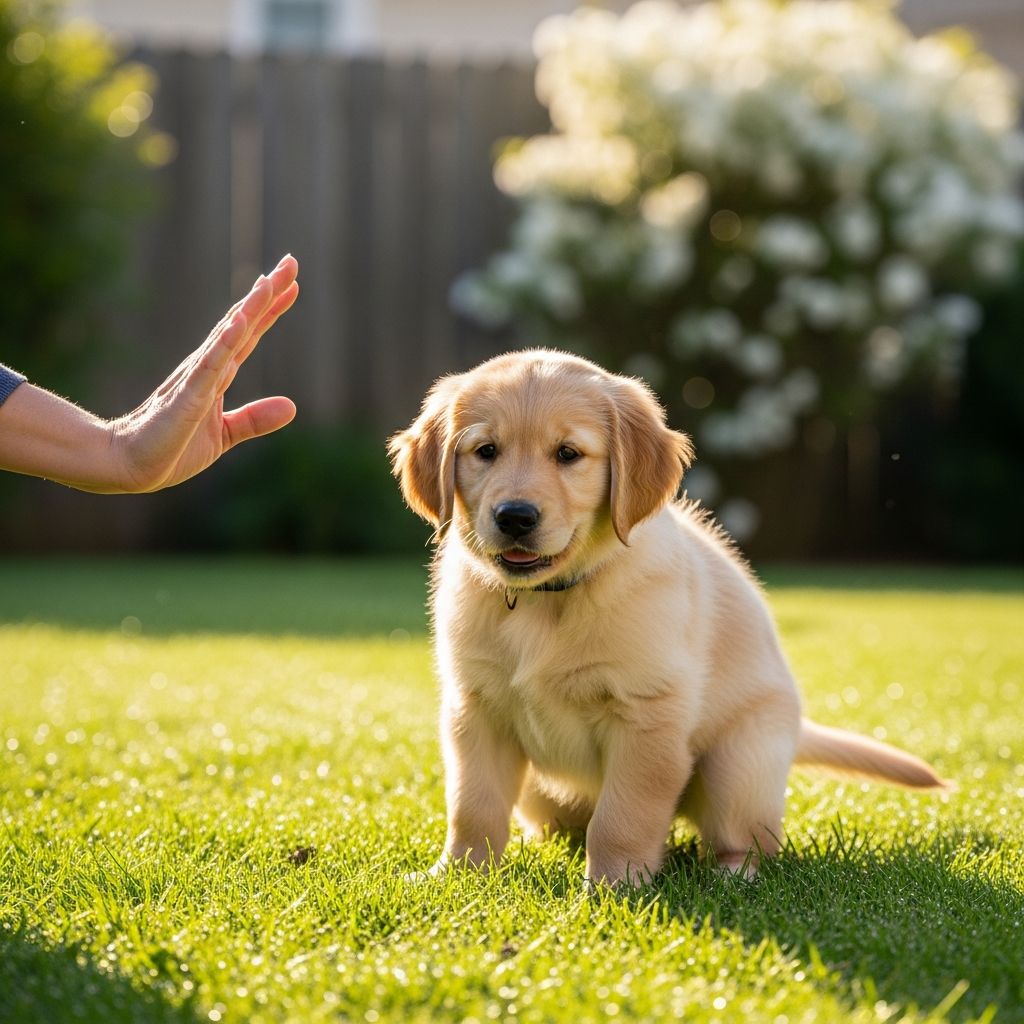
House training your dog transforms daily life, minimizing indoor messes and fostering a harmonious home. By teaching your pet to respond to a specific command for elimination, you gain predictability and control. This guide outlines a comprehensive approach drawn from expert recommendations, focusing on consistency, observation, and positive methods suitable for puppies and adult dogs alike.
Understanding Your Dog’s Natural Instincts
Dogs instinctively avoid soiling their sleeping areas, a trait rooted in their wild ancestry where dens stayed clean for hygiene. Leverage this by creating environments that encourage outdoor elimination. Puppies, with developing bladders, can typically hold urine for one hour per month of age plus one—meaning a two-month-old pup manages about three hours maximum. Adult dogs vary by breed, size, and health, but routines help all ages succeed.
Recognize elimination signals early: circling, sniffing excessively, whining, or squatting. These cues allow proactive outings, preventing accidents. Small breeds often need more frequent breaks due to smaller bladders, while larger ones may wait longer. Consistent observation builds your ability to anticipate needs, speeding up training.
Building a Solid Daily Schedule
A predictable routine aligns with your dog’s biological clock, linking meals, play, and potty times. Feed at set intervals—twice daily for adults, three for puppies under six months—to regulate digestion. Most dogs eliminate within 30 minutes post-meal, so plan immediate outdoor trips then.
- Morning wake-up: First outing upon rising.
- Post-meal: 15-30 minutes after eating.
- After naps or play: Activity stimulates bowels.
- Evening: Final break before bedtime.
- Hourly for young pups: Adjust as they age.
For working owners, sync schedules with breaks. Use alarms for hourly puppy outings initially. This structure reassures dogs, reducing anxiety-related accidents.
Selecting and Sticking to One Potty Area
Choose a consistent outdoor spot—grassy patch away from high-traffic zones for apartments or yards. The lingering scent from prior visits triggers the urge to go, reinforcing habits. Always leash during sessions to focus attention, preventing play distractions that delay elimination.
Walk straight to the spot, issue a cue like “hurry up” or “do it,” and wait patiently. Praise lavishly upon completion before returning inside. This separates potty time from play, avoiding associations where dogs hold out for fun.
Mastering the Potty Command
Introduce a verbal cue during natural elimination moments. As your dog begins to go, calmly say the phrase. Over repetitions, they link the word to the action. Reward immediately with high-value treats and enthusiastic praise to cement the association.
Progress by using the cue before they start, prompting quicker responses. Practice in varied locations to generalize the skill. For reliability, pair with bells: Hang by the door, guide paw touches during outings, rewarding nose or paw contact. Soon, your dog signals independently.
Training Bell Implementation Table
| Step | Action | Reward |
|---|---|---|
| 1. Introduce | Ring bell before each outing | Praise + Treat |
| 2. Paw Touch | Guide paw to bell, then outside | Immediate potty access |
| 3. Independent | Wait for self-touch, open door | Verbal cheer |
| 4. Refine | Ignore non-urgent rings | Consistency |
Supervision and Confinement Strategies
Constant vigilance prevents sneaky accidents. Tether your dog to you via leash indoors, or use baby gates for limited access. Crates mimic dens—size just large enough for standing, turning, and lying. Dogs avoid soiling crates if sized properly, but never exceed hold times.
Expand freedom gradually: Days without accidents earn more space. Regression? Shrink back. This methodical increase builds confidence.
Positive Reinforcement: The Key to Success
Rewards drive learning. Use tiny, soft treats saved for potty wins, delivered within seconds. Pair with phrases like “good potty!” to amplify joy. Avoid free treats elsewhere to maintain value. Punishment backfires, causing fear or hiding, so interrupt accidents gently—clap, lead outside—then reward success.
Handling Challenges and Setbacks
Accidents happen, especially with rescues or seniors. Clean thoroughly with enzymatic cleaners to erase scents. Medical issues like UTIs mimic poor training—consult vets if patterns persist. Excitement urination? Ignore, wait calmly; submissive peeing fades with confidence-building.
For multi-dog homes, train individually. Weather woes? Potty pads work temporarily, transitioning outdoors later.
Age-Specific Training Adjustments
| Age Group | Frequency | Hold Time | Tips |
|---|---|---|---|
| Puppies <3 months | Every 30-60 min | 1-2 hrs | Frequent crate use, meal timing |
| 3-6 months | Every 1-2 hrs | 3-4 hrs | Introduce cue, bell training |
| Adults | 3-4x daily | 6-8 hrs | Routine reinforcement |
| Seniors | 4-6x daily | Varies | Monitor health, ramps for mobility |
Long-Term Maintenance
Once reliable, maintain with occasional rewards and cues. Travel? Pack bells or pads. Consistency across family prevents confusion. Track progress in a journal to celebrate milestones.
Frequently Asked Questions
How long does potty training take?
Typically 4-6 months for puppies, faster for motivated adults. Patience varies by individual.
What if my dog regresses?
Return to basics: More supervision, smaller areas. Rule out medical causes.
Can I train multiple dogs at once?
Yes, but separately to avoid competition. Use unique cues if needed.
Are potty pads a good permanent solution?
Useful for apartments or seniors, but transition outdoors for full training.
What treats work best?
Soft, pea-sized pieces of chicken, cheese, or commercial training treats.
References
- Expert Tips for Potty Training Your Puppy — American Kennel Club. 2023-05-15. https://www.akc.org/expert-advice/training/potty-training-puppy-tips/
- Dog Training: How to Potty Train an Adult Dog — Purina US. 2024-02-10. https://www.purina.com/articles/dog/behavior/training/how-to-potty-train-adult-dog
- Tips for Potty Training Your New Puppy — Hill’s Pet US. 2024-01-20. https://www.hillspet.com/dog-care/training/puppy-potty-training-tips
- How To Toilet Train Your Puppy or Dog — RSPCA. 2023-11-05. https://www.rspca.org.uk/adviceandwelfare/pets/dogs/training/toilettraining
- Housetraining survival guide — Animal Humane Society. 2023-08-12. https://www.animalhumanesociety.org/resource/housetraining-survival-guide
Similar Articles








Read full bio of medha deb