
Master Off-Leash Training for Dogs: A Complete Guide
Learn proven techniques to safely train your dog for reliable off-leash freedom and control.
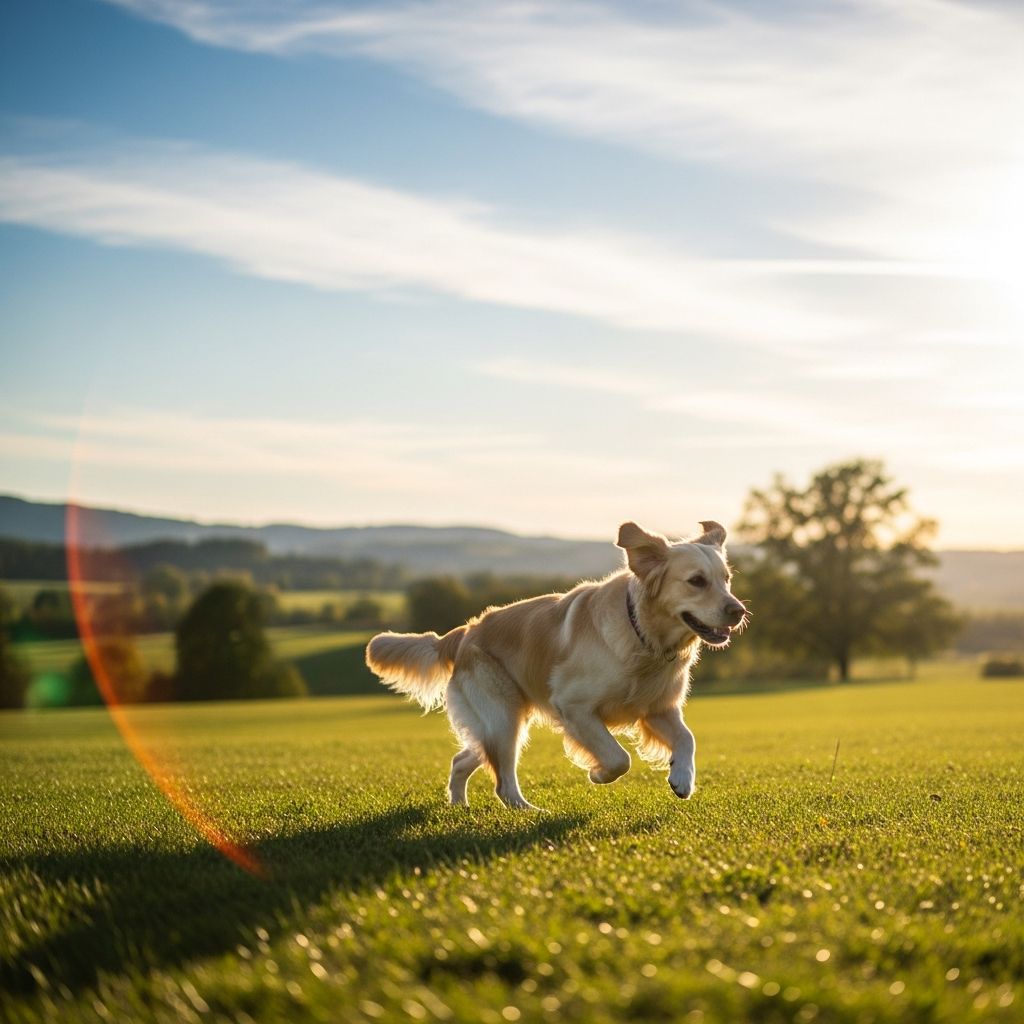
Off-leash training represents one of the most rewarding yet challenging aspects of canine education. While the freedom to let your dog roam without a leash offers tremendous benefits—increased exercise, mental stimulation, and bonding opportunities—it requires a systematic, patient approach built on foundational obedience skills. This comprehensive guide explores the essential components of successful off-leash training, from understanding prerequisites to implementing advanced techniques.
Understanding the Foundation: Essential Skills Your Dog Must Master
Before your dog enjoys off-leash freedom, they must develop several critical competencies. These skills form the backbone of safe off-leash behavior and cannot be rushed or skipped. Each component builds upon the previous one, creating a reliable framework for decision-making and responsiveness when your dog is unleashed.
The Five Core Competencies for Off-Leash Safety
- Proximity Awareness: Your dog must understand that staying near you or within a defined boundary is the default behavior, not an exception. This differs from traditional recall training where you must actively call your dog back. Proximity awareness creates a natural gravitational pull toward you.
- Reliable Recall Response: Your dog should return promptly when called, regardless of environmental distractions. This means practicing recall amid food temptations, moving objects, other animals, and engaging stimuli. Without rock-solid recall, off-leash freedom becomes dangerous.
- Emergency Stop Command: Beyond standard recall, your dog needs an immediate “stop” cue for life-threatening situations—a dog running toward traffic or a dangerous animal. This command creates instantaneous response when milliseconds matter.
- Leave-It Proficiency: Your dog must reliably ignore potentially harmful items—spoiled food, toxic substances, or unsafe objects—when instructed. This skill prevents accidental poisoning or injury from discovered hazards.
- Drop-It Reliability: If your dog retrieves something dangerous, they must release it immediately on command. This skill complements Leave-It and provides another safety layer.
Building the Invisible Connection: Radius Training Methodology
Radius training introduces a sophisticated concept: teaching your dog to maintain awareness of your location and movements without explicit commands. This technique cultivates what trainers describe as an “invisible leash”—a psychological connection where your dog actively chooses to remain within your orbit.
The Indoor Foundation Phase
Begin this training indoors in a quiet room where distractions are minimal. This controlled environment allows your dog to focus exclusively on you without competing stimuli. Here’s the progression:
Initial Observation and Reward: Walk around the room casually without calling or directing your dog. Observe your dog’s behavior carefully. Whenever your dog notices you—whether by turning an ear toward you, making direct eye contact, or moving in your direction—immediately mark this moment with an enthusiastic verbal cue such as “Good!” or “Yes!”
This verbal marker serves as a communication bridge, telling your dog exactly which behavior earned the reward. Deliver high-value treats directly at your feet when your dog approaches. After rewarding, release your dog with a clear dismissal cue like “OK” or “Go walk,” indicating they’re free to explore again independently.
This cycle repeats dozens of times during training sessions. Your dog learns that checking in with you produces immediate, valuable rewards, establishing a positive feedback loop that gradually becomes habitual.
Outdoor Fenced Area Training
Once your dog demonstrates consistent check-in behavior indoors, transition to a securely fenced outdoor area. Begin with a 10 to 15-foot leash attached to your dog’s harness or collar. The leash functions as a safety net, not a control tool—maintain slack in the line, following your dog as they explore rather than directing them.
Apply the same observation and reward principle. Watch for voluntary check-ins and enthusiastically reward them. As your dog shows increasing reliability, gradually increase leash length if your intended off-leash radius is larger. This progression builds confidence in both dog and handler.
Directional Changes and Advanced Awareness
Once your dog maintains frequent check-ins, introduce directional changes. While your dog explores at the edge of their training radius, unexpectedly change your direction, particularly when your dog faces away but can see you peripherally. This variation challenges your dog to maintain awareness even during independent exploration.
When your dog notices the direction change and redirects toward you, mark enthusiastically and reward. This teaches your dog that you’re constantly present and responsive, deepening their attentiveness. Over time, your dog develops an almost intuitive sense of your movements and location.
As reliability increases, transition from holding the leash to allowing it to drag freely along the ground. This intermediate step maintains safety while reducing your physical connection. Eventually, in a securely fenced area, remove the leash entirely and observe your dog’s behavior. Most dogs who’ve received proper radius training demonstrate noticeable changes in their attention patterns and movements relative to you.
Mastering Recall: The Command That Saves Lives
Recall training represents perhaps the most critical skill for off-leash safety. Unlike radius training’s passive awareness, recall demands an active, immediate response when called, even amidst powerful distractions.
Progressive Distraction Exposure
Effective recall training requires systematic exposure to increasingly difficult distractions. Begin in low-distraction environments—your backyard or a quiet fenced area. Practice your recall command repeatedly, rewarding enthusiastically with high-value treats or toys. Once your dog responds reliably in calm settings, gradually introduce moderate distractions: other people at a distance, moving objects, or mildly interesting scents.
After mastering moderate distractions, progress to challenging scenarios: competing food sources, other dogs, or highly stimulating play opportunities. Each level should be practiced extensively before advancing. This graduated approach prevents the common mistake of expecting reliable recall in highly distracting environments before building foundational responses in controlled settings.
Reward Matching and Motivation
The reward must match or exceed the distraction’s appeal. If your dog ignores your recall command to chase a squirrel, your treats were simply insufficient motivation. Identify what genuinely excites your dog—whether special treats, favorite toys, or enthusiastic play—and reserve these premium rewards specifically for recall training. Rotate between rewards to maintain novelty and interest.
Positive reinforcement training combined with marker signals creates powerful learning associations. When your dog responds correctly, immediately mark the moment with “Yes!” or a clicker, then deliver the reward. This precise timing helps your dog understand exactly which behavior earned the payoff.
Creating Safe Practice Environments
Location selection significantly impacts training success and safety. Begin off-leash practice in extremely controlled settings before progressing to real-world scenarios.
Ideal Training Locations
| Environment Type | Advantages | Best For Stage |
|---|---|---|
| Home Backyard (Fenced) | Familiar, minimal distractions, immediate safety net | Foundational radius and recall training |
| Empty Fenced Fields | Space for distance work, controlled distraction introduction | Intermediate training, distance practice |
| Enclosed Dog Parks (Off-hours) | Larger space, real-world surfaces, still contained | Advanced training with some distractions |
| Tennis Courts/Sports Fields (Closed) | Secure boundaries, flat terrain for control assessment | Transition training between phases |
| Structured Training Classes | Professional guidance, peer learning, supervised practice | All stages with expert instruction |
Essential Equipment and Training Tools
Successful off-leash training requires specific equipment that supports skill development while maintaining safety margins.
- Extended Leashes: Long-lines (10 to 30 feet) allow freedom while providing emergency control. Select durable materials that won’t tangle or break under moderate stress.
- High-Value Rewards: Reserve special treats, toys, or play opportunities exclusively for off-leash training. Rotate between motivators to maintain enthusiasm and novelty.
- Marker System: Develop consistent verbal markers (“Yes!” or “Good!”) or use a clicker device. This bridge signal communicates success between the correct behavior and reward delivery.
- Safety Equipment: Securely fitted collars or harnesses ensure your dog cannot slip free. Harnesses often provide better control than collars, especially for excited dogs.
Addressing Common Challenges and Training Plateaus
Even well-executed training encounters obstacles. Understanding common difficulties helps you navigate challenges effectively.
Selective Hearing in Exciting Scenarios: Your dog obeys reliably at home but ignores commands at the park. This reflects insufficient distraction training rather than willful disobedience. Return to lower-distraction environments and gradually rebuild toward park-level stimuli. Never jump directly from quiet home training to chaotic public spaces.
Distance-Related Non-Compliance: Recall succeeds when your dog is 10 feet away but fails at 30 feet. Your dog hasn’t yet internalized that the command applies across all distances. Practice recall at gradually increasing distances, maintaining reliability before expanding range.
Excitement-Driven Unresponsiveness: Certain triggers—other dogs, fast-moving animals, ball games—override training. Reserve your highest-value rewards specifically for these scenarios. Some dogs require longer foundational periods before managing these distractions reliably.
Understanding Local Regulations and Legal Considerations
Before allowing off-leash freedom, research your area’s specific leash laws and regulations. Many jurisdictions require dogs to remain leashed in public spaces regardless of training level. Some areas designate specific off-leash zones during particular hours. Understanding legal requirements prevents conflicts with authorities and protects your dog from liability complications.
Frequently Asked Questions
At what age can I begin off-leash training?
Dogs should master basic obedience (sit, stay, come) before off-leash work, typically around 5 to 6 months for most breeds. However, foundational radius training can start earlier once your dog responds reliably to basic commands.
How long does off-leash training typically take?
Duration varies considerably based on your dog’s age, temperament, prior training, and the trainer’s consistency. Most dogs require 6 to 12 weeks of dedicated practice to achieve reliable off-leash behavior in controlled environments.
Can all dog breeds successfully learn off-leash training?
Most dogs can learn off-leash reliability with proper training. However, breeds with strong prey drives or wandering instincts may require extended training periods and may never be safe off-leash in uncontrolled environments like urban parks.
What should I do if my dog doesn’t respond to off-leash training?
Consult a certified professional trainer. Some dogs require specialized approaches, and underlying behavioral or medical issues may interfere with learning.
Building Long-Term Off-Leash Success
Off-leash training represents an ongoing commitment, not a destination. Continue reinforcing learned behaviors periodically, even after your dog achieves reliability. Maintain training momentum by incorporating brief practice sessions into regular routines. Stay vigilant about environmental changes—moving to a new area or encountering novel distractions may require refresher training.
The invisible leash concept most accurately describes successful off-leash relationships. This psychological connection develops through consistent, positive reinforcement and the deep trust built between you and your dog. The freedom your dog enjoys off-leash reflects the responsibility you’ve invested in thorough, patient training.
References
- Off-Leash Training for Dogs — VCA Animal Hospitals. Accessed 2026. https://vcahospitals.com/know-your-pet/off-leash-training-for-dogs
- The Complete Guide To Off Leash Dog Training — Tractive. Accessed 2026. https://tractive.com/blog/en/training-en/the-complete-guide-to-off-leash-dog-training
- Off Leash Training: Building Reliability — Whole Dog Journal. Accessed 2026. https://www.whole-dog-journal.com/training/building-off-leash-reliability/
- Teach your dog to walk on a loose leash — Animal Humane Society. Accessed 2026. https://www.animalhumanesociety.org/resource/teach-your-dog-walk-loose-leash
Similar Articles








Read full bio of Sneha Tete




