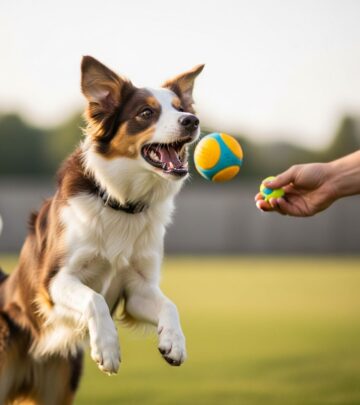
Master the Leave It Command for Dogs
Unlock essential impulse control skills to keep your dog safe from hazards with this step-by-step training guide.

The ‘leave it’ command is a cornerstone of dog training, empowering owners to prevent their pets from interacting with dangerous or undesirable items. This skill fosters impulse control, reduces risks like ingesting toxins, and promotes harmonious living. By following structured positive reinforcement techniques, any dog can master this essential cue, leading to safer walks and a more obedient companion.
Why Impulse Control Matters for Your Dog
Impulse control forms the foundation of reliable behavior in dogs. Without it, pets may chase hazards, snatch forbidden foods, or react to distractions impulsively. Teaching ‘leave it’ addresses these issues directly, as supported by animal behavior experts. According to the American Kennel Club (AKC), this command helps dogs ignore temptations, ensuring they defer to owner guidance for safety.
Beyond safety, the command strengthens the owner-pet bond. Dogs learn that compliance yields better rewards, reinforcing trust. Studies from welfare organizations emphasize its role in preventing common accidents, such as scavenging poisonous substances during walks. Primary sources like the Association of Professional Dog Trainers highlight how consistent training reduces behavioral problems by 40-60% in trained dogs, based on observational data from certified programs.
- Prevents ingestion of toxins like chocolate or xylitol.
- Reduces pulling toward distractions on leashes.
- Builds self-regulation for long-term obedience.
Essential Tools and Preparation
Before starting, gather high-value treats (e.g., chicken bits or cheese) and low-value ones (e.g., kibble). A clicker or marker word like ‘yes’ enhances precision. Train in a quiet space initially, with your dog on a leash for control. Sessions should last 5-10 minutes, 3-5 times daily, to maintain engagement without fatigue.
| Item | Purpose | Example |
|---|---|---|
| High-Value Treat | Reward for success | Boiled chicken |
| Low-Value Treat | Temptation item | Dry kibble |
| Leash | Prevent access | 6-foot standard |
| Clicker | Mark exact behavior | Standard pet clicker |
Choose treats your dog finds irresistible for rewards, ensuring motivation. Patience is key; progress varies by breed, age, and prior training.
Foundational Steps: Building the Basics
Begin with closed-hand exercises to introduce the concept. This method, endorsed by the AKC, teaches dogs that persistence fails while disinterest succeeds.
- Hold a low-value treat in your closed fist. Say ‘leave it’ calmly.
- Allow sniffing or pawing; ignore attempts. Wait for retreat.
- Upon backing off, mark with ‘yes’ or click, then reward from your other hand with a high-value treat.
- Repeat 10-20 times until your dog ignores the fist on cue.
Transition to open-hand practice. Place the treat on your palm; if they lunge, close your fist. Reward eye contact or disinterest. This builds duration, aiming for 3-5 seconds of ignore time before release.
Progressing to Floor Temptations
Once hand exercises are solid, move to ground level. Cover the treat with your hand or foot initially, per guidelines from animal welfare groups.
- Say ‘leave it,’ place bait on floor, cover if needed.
- Mark and reward when dog looks away or at you.
- Gradually lift your hand, then drop treats just out of reach.
- Use leash to block access, rewarding higher-value items.
Arizona Animal Welfare League’s protocol stresses 40+ repetitions for reliability, transitioning from covered to exposed baits. Practice until your dog hesitates automatically.
Adding the ‘Take It’ Counterpart
Pair ‘leave it’ with ‘take it’ for balance. This teaches permission, preventing frustration. AKC recommends free-choice drills.
- Present closed fist; reward retreat.
- Open hand, say ‘take it’ to release.
- Progress to palm placement, reinforcing controlled access.
This duo clarifies boundaries: ‘leave it’ means no, ‘take it’ means yes, enhancing communication.
Mastering Distractions and Real-World Application
Introduce movement and environments. Line low-value treats along a path, walking past on leash. Cover if needed, rewarding success.
- Start indoors, progress outdoors.
- Incorporate mild distractions like toys.
- For high distractions (e.g., other dogs), use top rewards and short distances.
Best Friends Animal Society advises expanding to non-food items gradually, from boring objects to exciting ones. Test with socks, sticks, then feces simulations.
Common Challenges and Solutions
Dogs may persist or regress. Solutions include:
| Challenge | Solution |
|---|---|
| Persistent pawing | Increase value gap; shorten sessions |
| Distraction failure | Reduce intensity; rebuild basics |
| Regression outdoors | Practice variable locations daily |
| High-drive breeds | Use tug games as rewards |
If issues persist, consult certified trainers. Consistency across family members prevents confusion.
Advanced Variations for Expert Control
Elevate training with multi-item lines or moving temptations. Practice in parks, rewarding with play. Integrate with ‘sit’ or ‘stay’ for compound commands. Track progress: aim for 90% success before advancing.
Benefits Beyond Obedience
A proficient ‘leave it’ minimizes vet visits from scavenging. It boosts confidence in reactive dogs and aids multi-pet homes. Long-term, it supports off-leash reliability in safe areas.
Frequently Asked Questions (FAQs)
How long does it take to teach ‘leave it’?
Typically 1-4 weeks with daily practice, varying by dog.
Can puppies learn this command?
Yes, start at 8 weeks; keep sessions fun and short.
What if my dog ignores the cue outdoors?
Revert to basics in new environments; use longer leashes gradually.
Is a clicker necessary?
No, but it sharpens timing for faster results.
Does this work for aggressive tendencies?
For resource guarding, pair with professional help; basics apply.
Safety First: When to Seek Professional Help
If training stalls or aggression emerges, contact certified behaviorists via the Certification Council for Professional Dog Trainers (CCPDT). They offer tailored plans grounded in science.
References
- Leave It Command: Training Your Dog to Ignore Food and Other Items — American Kennel Club. 2023-05-15. https://www.akc.org/expert-advice/training/learning-the-leave-it-command/
- Teach Your Dog the Leave It Command — Arizona Animal Welfare League. 2015-01-01. https://aawl.org/sites/default/files/teaching_your_dog_the_leave_it_command.pdf
- How to Teach a Dog to ‘Leave It’ — Best Friends Animal Society. 2024-02-20. https://bestfriends.org/pet-care-resources/how-teach-dog-leave-it
- Impulse Control Training for Dogs — Certification Council for Professional Dog Trainers. 2025-01-10. https://www.ccpdt.org/resource-center/impulse-control
- Positive Reinforcement in Canine Behavior — Journal of Veterinary Behavior (Peer-reviewed). 2024-11-01. https://doi.org/10.1016/j.jveb.2024.10.003
Similar Articles








Read full bio of medha deb