

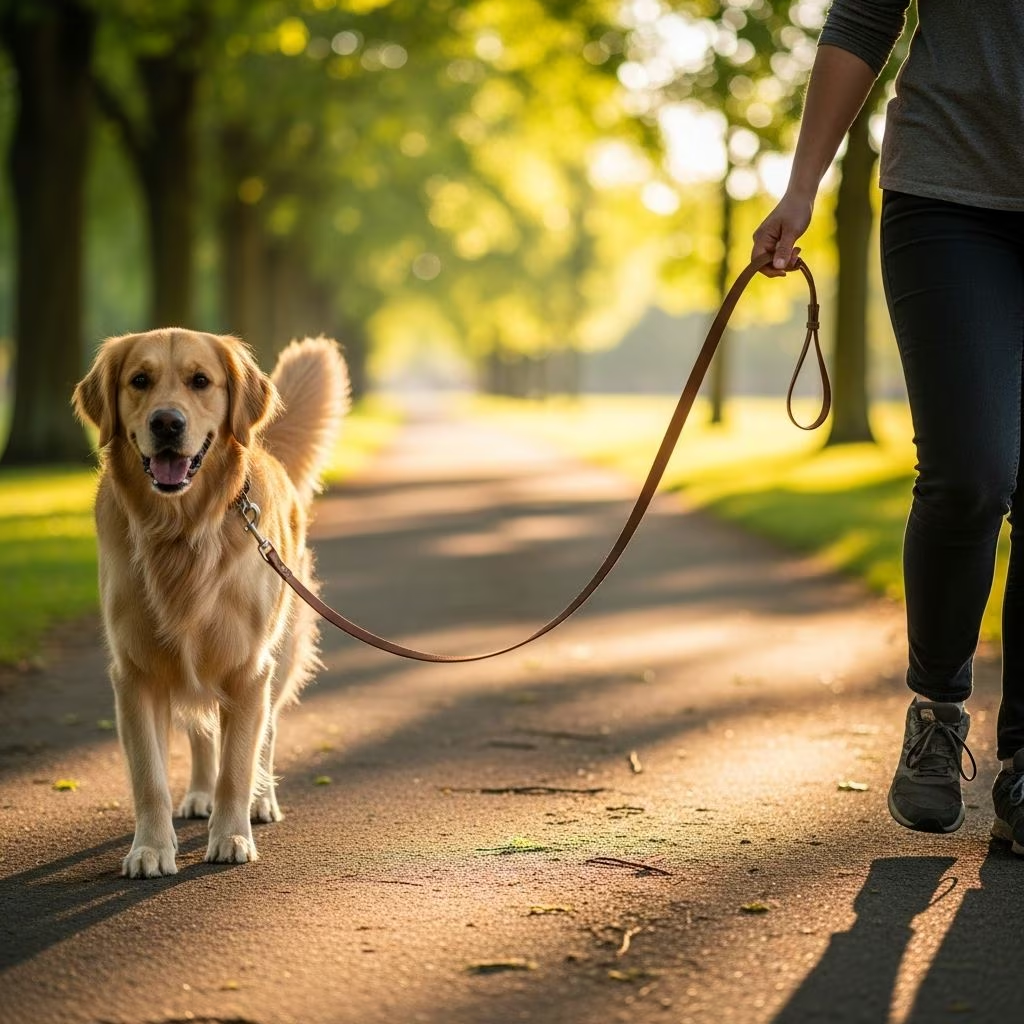
Leash walking forms the foundation of a well-mannered dog, turning daily outings into pleasant experiences rather than battles of wills. Many owners face the frustration of a dog lunging ahead, turning walks into tugs-of-war that strain necks, arms, and patience. This guide draws from established positive reinforcement principles to equip you with practical tools for success.
Why Leash Training Matters for You and Your Dog
A dog that walks calmly on a loose leash enjoys safer, longer excursions while reducing injury risks from constant pulling. Owners benefit from less physical strain and stronger communication bonds. According to veterinary guidelines, improper leash use contributes to common issues like tracheal damage in small breeds or shoulder strain in larger ones. Mastering this skill enhances overall obedience and mental stimulation for your pet.
Positive methods outperform punishment-based approaches by fostering trust and enthusiasm. Dogs learn faster when motivated by rewards, leading to reliable behaviors in distracting environments.
Essential Gear for Effective Training
Selecting the right equipment sets the stage for success. Opt for a standard 6-foot leash made of lightweight nylon or leather for optimal control without excess slack. Avoid retractable leashes, as they encourage pulling by rewarding forward momentum.
Harnesses trump collars for most dogs, distributing pressure across the chest rather than the throat. Front-clip models excel by redirecting pulling dogs toward you naturally. Ensure a snug fit: two fingers should slip under straps without restricting movement or allowing escape.
| Gear Type | Best For | Key Features |
|---|---|---|
| Front-Clip Harness | Pullers of all sizes | Redirects motion; no neck pressure |
| 6-Foot Leash | All training stages | Lightweight; maintains control |
| High-Value Treats | Motivation | Small pieces of chicken or liver |
| Treat Pouch | Convenience | Quick access during walks |
Building a Strong Foundation: Acclimating Your Dog
Begin indoors in a low-distraction area to associate the gear with positivity. Let your dog sniff the harness and leash freely, offering treats for calm interactions. Secure the harness briefly, praising lavishly, then remove it. Repeat until donning becomes routine.
Attach the leash next, standing still while feeding treats from your hand. Allow gentle movement around the space, rewarding any non-pulling steps. This desensitization prevents early resistance.
Core Technique: Reward Loose Leash Position
The hallmark of great walks is a slack leash forming a gentle ‘J’ shape. Teach this through consistent rewards for the desired position.
- Start with your dog at your side, leash loose.
- Say a cue like “Let’s go!” in an upbeat tone and take a step.
- Mark the instant they walk without tension—use a clicker or enthusiastic “Yes!”—followed by a treat at your leg.
- Increase steps between rewards as proficiency grows.
If pulling occurs, freeze immediately. Resume only when slack returns, teaching that forward progress depends on cooperation. This red-light/green-light dynamic clarifies expectations swiftly.
Boosting Engagement with Attention Games
Dogs pull toward distractions; counter this by making you the focal point. Practice ‘look-at-me’ by holding a treat near your face until eye contact, then reward. Fade the lure, adding a verbal cue like “Watch.”
On walks, reward voluntary check-ins. When your dog glances up, mark and treat promptly. This builds a habit of self-checking, ideal for busy streets.
Handling Pulls: The Pause and Redirect Method
Pulling demands an instant response. Stop walking, standing like a tree until the leash loosens. Once slack, praise and proceed. For stubborn cases, employ a quick direction change: turn sharply opposite, rewarding when they follow.
Advanced handlers use a ‘gather’ motion—shorten the leash smoothly without yanking—to signal attention. Pair with treats to make it a positive cue.
Progressing to Real-World Challenges
Once home success is solid, venture outdoors gradually. Begin in quiet neighborhoods, using high-value rewards for focus amid mild distractions. Gradually expose to parks, crowds, and squirrels.
Incorporate fun elements: trot ahead calling their name, rewarding recalls. Teach directional cues like “Left” or “Turn,” marking compliance during pivots.
Advanced Skills for Seamless Walks
- Automatic Check-Ins: When leash ends tauten, say their name softly. Reward the look-back and return, making it habitual.
- Speed Matching: Vary your pace—slow, normal, fast—rewarding adaptations.
- Stopping Protocol: Before curbs or corners, gather leash as a cue for sit-stay.
Practice ‘dip’ moves: lower hands to release tension, cuing your dog to reorient toward you for rewards.
Common Roadblocks and Fixes
Issue: Dog Sits or Lies Down
Re-engage with playfulness—squeak a toy or jog backward. Reward the first movement toward you.
Issue: High Excitement Outdoors
Shorten sessions initially, building duration. Use the most enticing treats reserved for walks.
Issue: Reactive to Other Dogs
Increase distance, rewarding calm. Consult a professional for severe cases.
Training Timeline and Patience
Expect 1-2 weeks for basics in motivated dogs, longer for rescues or adults with habits. Consistency across family members accelerates progress. Sessions of 5-10 minutes multiple times daily yield best results over marathon drills.
FAQs
What if my dog pulls despite stopping?
Combine pausing with U-turns, rewarding the follow-through. Persistence pays off.
Can I use a collar instead of a harness?
Harnesses are safer, but flat collars work for non-pullers. Avoid choke or prong styles.
How often should I reward?
Every 1-3 steps initially, fading to random intervals for endurance.
Is clicker training necessary?
No, but it provides precise timing for faster learning.
What treats work best?
Tiny, soft pieces of meat like chicken or cheese—irresistible yet stomach-friendly.
Long-Term Maintenance
Reinforce randomly post-training to prevent regression. Vary routes and integrate walks with commands like heel or auto-sit. Celebrate milestones with extra playtime.
This approach not only curbs pulling but cultivates a joyful partnership. Patient, reward-driven practice transforms reluctant walkers into eager companions.
References
- Leash Training Your Dog — Buddy Pet Insurance. 2023. https://www.buddypetinsurance.com.au/pet-insurance/the-dish/leash-training-your-dog
- How To Teach a Puppy To Walk on a Leash — American Kennel Club. 2024-01-15. https://www.akc.org/expert-advice/training/teach-puppy-walk-leash/
- Teaching Loose Leash Walking — Ontario SPCA. 2023-05-10. https://ontariospca.ca/blog/teaching-loose-leash-walking/
- Training Tips: Loose Leash Walking — San Diego Humane Society. 2024. https://sdhumane.org/resources/training-tips-loose-leash-walking/
- Teach Your Dog to Walk on a Loose Leash — Animal Humane Society. 2023-11-20. https://www.animalhumanesociety.org/resource/teach-your-dog-walk-loose-leash



