

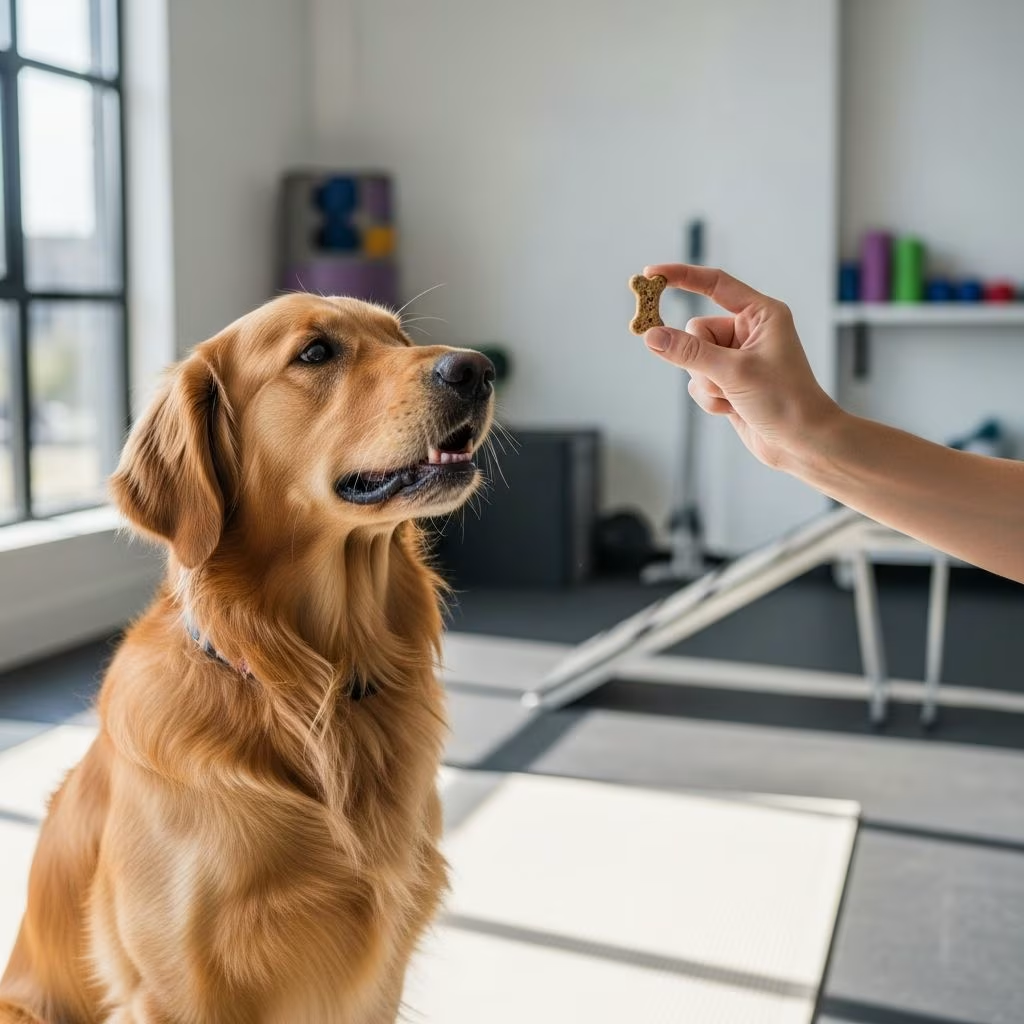
Integrating treats into dog training transforms routine sessions into engaging, productive experiences that accelerate learning and foster trust between you and your pet. This approach leverages a dog’s natural food motivation to reinforce desired behaviors effectively.
The Power of Positive Reinforcement in Canine Learning
Positive reinforcement stands as the cornerstone of modern dog training, rewarding good actions to encourage repetition. Food treats serve as immediate, tangible incentives that dogs associate with success, making complex commands more accessible. Research supports this method, showing reward-based training leads to superior behavior outcomes compared to punitive techniques.
Dogs, particularly food-driven breeds, respond enthusiastically to this system. The instant gratification from a treat solidifies neural pathways, turning sporadic compliance into reliable habits. Benefits extend beyond obedience: it builds confidence, reduces anxiety, and enhances the human-canine relationship through mutual enjoyment.
- Boosts motivation for challenging tasks
- Creates positive training associations
- Supports long-term retention of skills
- Minimizes stress for sensitive pups
Selecting the Ideal Training Treats for Your Dog
Choosing appropriate treats is crucial for success. Opt for small, soft pieces that deliver quick rewards without filling your dog up. High-value options—those with strong aromas and flavors like meat or fish—prove most effective for high-distraction environments.
Consider your dog’s age, size, and dietary needs. Puppies benefit from nutrient-dense, low-calorie treats supporting growth, while adults need balanced options to prevent weight gain. Limited-ingredient formulas reduce allergy risks and maintain health benefits, often including vitamins for skin and coat.
| Treat Type | Best For | Key Features |
|---|---|---|
| Soft, Small Bites | Daily Training | Quick consumption, high protein |
| High-Value Meaty | Distraction-Prone Areas | Strong scent, irresistible taste |
| Crunchy Low-Cal | Puppies/Weight Control | Vitamin-enriched, digestive aids |
| Dehydrated Jerky | Advanced Sessions | Long-lasting chew, focus booster |
Always account for treats in daily caloric intake—typically 10% max—to avoid obesity. Consult a veterinarian for personalized recommendations, especially for dogs with health conditions.
Perfect Timing: The Secret to Effective Reward Delivery
Timing dictates training efficacy; deliver treats within 1-2 seconds of the desired behavior to forge clear connections. Delayed rewards confuse dogs, as they link treats to unrelated actions.
For basic commands like ‘sit’ or ‘stay,’ mark the exact moment with a clicker or verbal cue like ‘yes,’ followed instantly by the treat. This precision sharpens focus and speeds mastery. In multi-step sequences, reward incrementally to shape behaviors progressively.
Timing Protocol
- Issue command clearly.
- Observe precise execution.
- Mark behavior immediately.
- Deliver treat within 2 seconds.
- Praise enthusiastically.
Structuring Productive Training Sessions
Short sessions—5-10 minutes, 3-5 times daily—prevent fatigue and maintain engagement. Begin with known commands to build confidence, introduce one new skill, and end positively with a mastered task and extra rewards.
Incorporate variety: alternate treats with praise, toys, or play to prevent food dependency. Train in low-distraction settings first, gradually increasing challenges. Consistency across family members ensures uniform reinforcement.
- Morning: Recall practice in yard
- Afternoon: Sit/stay indoors
- Evening: Heel on leash walk
High-Value Treats for Challenging Scenarios
Reserve premium treats for tough situations like public spaces or recall amid distractions. These ‘jackpot’ rewards—multiple treats or favored flavors—amplify motivation during breakthroughs.
For anxious dogs, pair treats with calming activities pre-session. Food-motivated breeds like Labs excel here, but even picky eaters respond to novel textures or warmed treats enhancing aroma.
Puppy-Specific Treat Tactics
Puppies require frequent, tiny rewards due to short attention spans. Flavorful, aromatic treats capture their focus amid teething distractions. High-protein, low-fat options fuel energy without tummy upset.
Focus on foundational skills: house manners, name response, and gentle play. Use treats to redirect biting, rewarding calm alternatives. Sessions build impulse control essential for adolescence.
Fading Treats: Building Independent Obedience
Gradual reduction prevents treat reliance. Start with 100% rewarding, shift to every other success, then random intervals. Replace with life rewards like walks or meals.
Monitor for regression; reintroduce treats sparingly if needed. Most dogs transition seamlessly, performing for praise alone as habits solidify.
Pitfalls to Sidestep in Treat Training
Avoid these errors for optimal results:
- Luring vs. Rewarding: Never show treat first; it becomes a bribe.
- Overuse: Exceeds calorie limits, leading to weight issues.
- Poor Timing: Delays erode associations.
- Distraction Overload: Start simple, build complexity.
- Ignoring Non-Food Rewards: Balance prevents one-dimensional training.
Enhancing Bonds Through Treat-Fueled Training
Treats transcend mere tools; they symbolize partnership. Shared successes deepen emotional ties, with dogs viewing handlers as sources of joy. This trust extends to vet visits and grooming.
Track progress via journals, celebrating milestones with special playdates. Involve children supervised, teaching responsible reward use.
FAQs
What if my dog ignores treats?
Verify high value; use hungrier times or compete with toys. Check health issues with vet.
Can treats cause begging?
No, if used only during training, not table food. Consistency prevents this.
How many treats per day?
Limit to 10% of calories; calculate based on kibble intake.
Best for food-aggressive dogs?
Train hand-feeding first; consult professional trainers.
Treat alternatives?
Praise, tug toys, access to play—rotate for variety.
References
- The Effect of Training Treats on Canine Behavior — Petcube. 2023. https://petcube.com/blog/canine-training-treats/
- Dog Training Tips: How to Use Treats Effectively — Petdirect. 2024. https://petdirect.co.nz/blog/dog-training-tips-using-treats-effectively
- 5 Benefits of Using Treats in Dog Training — Boulder Dog Food Company. 2023. https://boulderdogfoodcompany.com/blogs/all-articles/5-benefits-of-using-treats-in-dog-training
- High Value Dog Training Treats — K9 Connoisseur. 2024. https://k9connoisseur.com/blogs/news/high-value-dog-training-treats
- How to Reward Dogs With Positive Reinforcement Training — Humane World. 2023. https://www.humaneworld.org/en/resources/positive-reinforcement-training



