

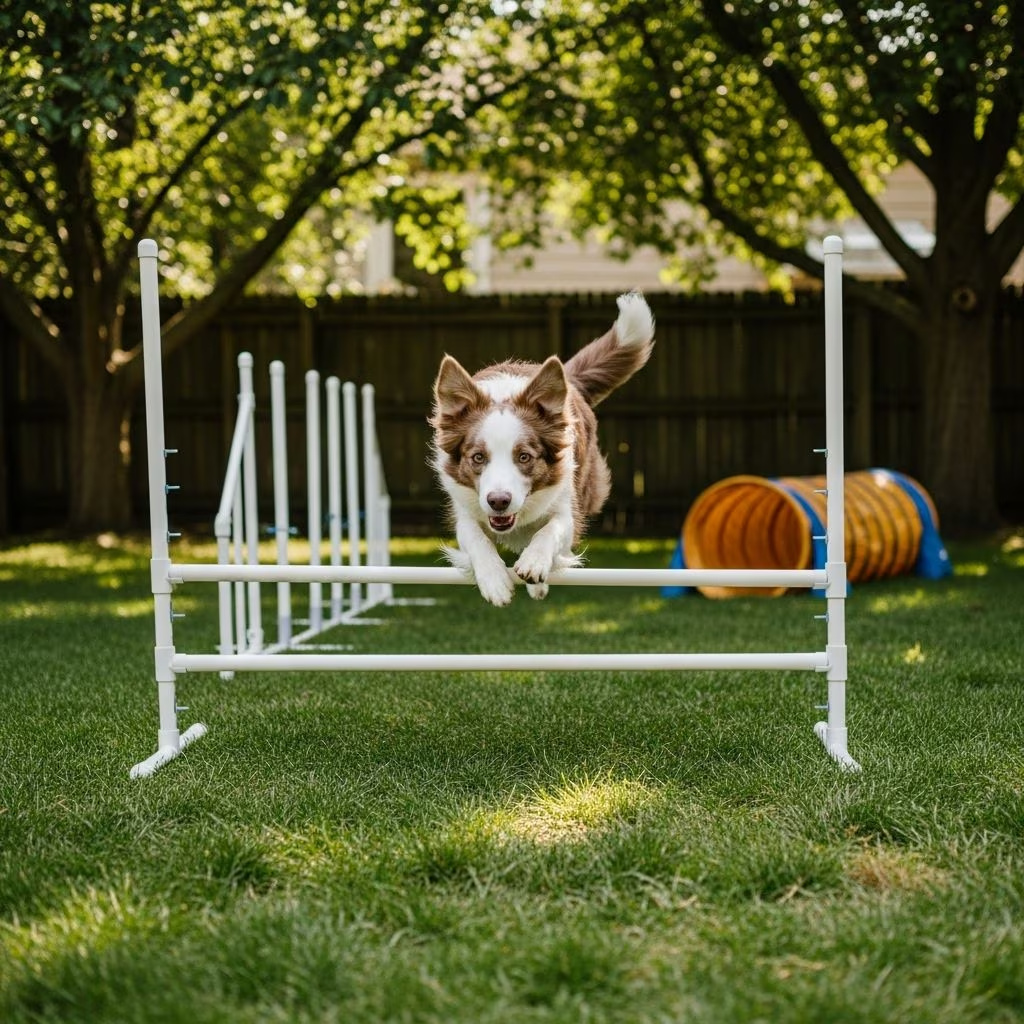
Training your dog for sports doesn’t require expensive facilities or professional arenas. With everyday items and consistent practice, you can develop essential skills in agility, obedience, and tricks right in your backyard or living room. This approach strengthens the bond between you and your pet while boosting their physical fitness and mental sharpness.
Why Home Training Builds Champions
Home-based dog sports training offers flexibility, allowing short daily sessions that fit busy schedules. Experts recommend 15-20 minute practices to maintain focus and prevent fatigue, gradually building endurance and precision. It also allows customization to your dog’s breed, age, and energy level, ensuring safe progression from basics to advanced maneuvers.
Benefits extend beyond competition readiness: improved coordination reduces injury risk, enhanced confidence tackles anxiety, and positive reinforcement fosters trust. Start young or with puppies, but adults benefit too—always prioritize foundational obedience first.
Essential Prerequisites for Success
Before diving into sports-specific drills, solidify core commands like sit, stay, come, and heel. These form the backbone of any canine athlete’s performance. Assess your dog’s stamina through joint runs or play to gauge readiness for dynamic activities.
- Obedience Mastery: Ensures reliable response under distraction.
- Physical Check: Consult a vet for joint health, especially for high-impact sports.
- Mental Prep: Use toys and treats to spark enthusiasm without overwhelm.
DIY Agility Obstacles: Start Simple
Agility captivates with its blend of speed, precision, and teamwork, featuring obstacles like jumps, tunnels, and weaves. No need for full kits initially—household hacks mimic pro setups effectively.
Building a Basic Jump Station
Jumps teach clearance and timing. Begin with a broomstick on the ground, progressing to raised poles. Safety first: use soft surfaces, keep heights low (4-12 inches for starters), and monitor for slips.
- Position your dog on one side; toss a treat or toy over the bar.
- Release with a cue like “over” as they leap.
- Repeat 5-10 times, fading the lure while adding the verbal command.
- Graduate to sequences of 2-4 jumps, spaced 8-10 feet apart.
For variety, suspend a hula hoop or old tire at ground level initially.
Crafting Tunnels for Speed
Tunnels build confidence in enclosed spaces. DIY with chairs draped in a bedsheet or cardboard boxes taped end-to-end. Keep lengths short (4-6 feet) for beginners.
| Obstacle | DIY Materials | Training Tip |
|---|---|---|
| Tunnel | Sheet over chairs; kid’s play tunnel | Lure through with toy; praise exit speed. |
| Jump | Broomstick on blocks; PVC pipe | Start bar on ground; raise 2 inches per session. |
| Weave Poles | Pool noodles; cones in line | Wide spacing first; narrow gradually. |
Mastering Weave Poles at Home
Weaves challenge coordination most. Space poles (broom handles, PVC, or stakes) 20-24 inches apart in a straight line. Create a wide channel initially by offsetting every other pole.
- Guide your dog through straight, rewarding the end.
- Narrow the channel incrementally over sessions.
- Add a “weave” cue; tilt poles for realism.
Practice entry from the left between poles 1 and 2. Fixed-base PVC sets offer durability for repeated use.
Tricks as Sport Foundations
Tricks enhance flexibility, targeting, and positioning—key for agility contacts and turns. They’re fun gateways to competitive titles like AKC Trick Dog.
Target Touch and Positioning
Teach nose-to-hand targeting: present fist with treat scent, mark touches with a clicker or “yes,” reward. Move hand to guide spins, bows, or wraps around cones—building tight turns for jumps.
- Spin: Lure in circle; fade hand to verbal cue.
- Bow: Encourage downward stretch post-sit.
- Leg Weaves: Figure-8 around your legs for suppleness.
Advanced Wraps and Platforms
Platforms (chair or box) teach pausing and directional control. Send dog around objects like barrels for wrap skills, shaping from approaches to full circles.
Setting Up Your Home Course
A 10×10 foot area suffices for singles or mini-sequences; expand as skills grow. Rotate 2-4 obstacles per session to sustain interest. Outdoors? Use grass; indoors, carpet for traction.
Invest gradually: starter tunnels ($30-50), weave kits ($40+). Track progress with videos for self-review.
Safety and Progression Guidelines
Puppies under 12-18 months avoid full heights to protect growth plates. Sessions: 5-10 minutes early on, building to 20. Watch for fatigue signs—panting, hesitation—and end positively.
- Surfaces: Non-slip, padded.
- Warm-up: 2-minute trot.
- Cool-down: Stretches via tricks.
From Home to Competition
Once proficient, join clubs via AKC or local searches. Events like “My Dog Can Do That” offer trials. Titles start accessible: CGC, trick levels.
Pro classes refine techniques; home practice reinforces.
Frequently Asked Questions
What’s the best age to start agility training?
Puppies can learn foundations post-vaccinations, but full obstacles after 12-18 months for skeletal maturity.
Can any dog breed do sports?
Yes—size-adapted courses exist for all, focusing on enthusiasm over speed.
How often should I train?
Daily 15-20 minutes; rest days prevent overuse.
What if my dog loses interest?
Shorten sessions, vary rewards, incorporate play breaks.
Do I need fancy equipment?
No—DIY builds basics; upgrade for precision later.
References
- Beginner’s Guide to Dog Sports: How Everyday Dog Owners Can Get Started — Blue-9 Balance. 2023. https://www.blue-9.com/blogs/news/beginner-s-guide-to-dog-sports-how-everyday-dog-owners-can-get-started
- How To Start Dog Agility Training at Home — Chewy. 2024. https://www.chewy.com/education/dog/training-and-behavior/dog-agility-training-tips
- Agility Equipment for Dogs: Beginner’s Guide to Training — Ultimate Pet Food. 2023. https://www.ultimatespetfood.com/agility-equipment-for-dogs-beginners-guide-to-training/
- Getting Started With Dog Agility Training: A Beginner’s Guide — DogTuff. 2024. https://www.dogtuff.com/blogs/news/getting-started-with-dog-agility-training
- Agility Training for Dogs: How to Get Started — Purina. 2023. https://www.purina.com/articles/dog/behavior/training/agility-training-for-dogs
- Tips to Practice Agility at Home with Your Dog — American Kennel Club (AKC). 2024-03-15. https://www.akc.org/expert-advice/training/practice-agility-at-home/



