
Mast Cell Tumors in Pets
Essential guide to recognizing, diagnosing, and treating mast cell tumors in dogs and cats for better pet outcomes.
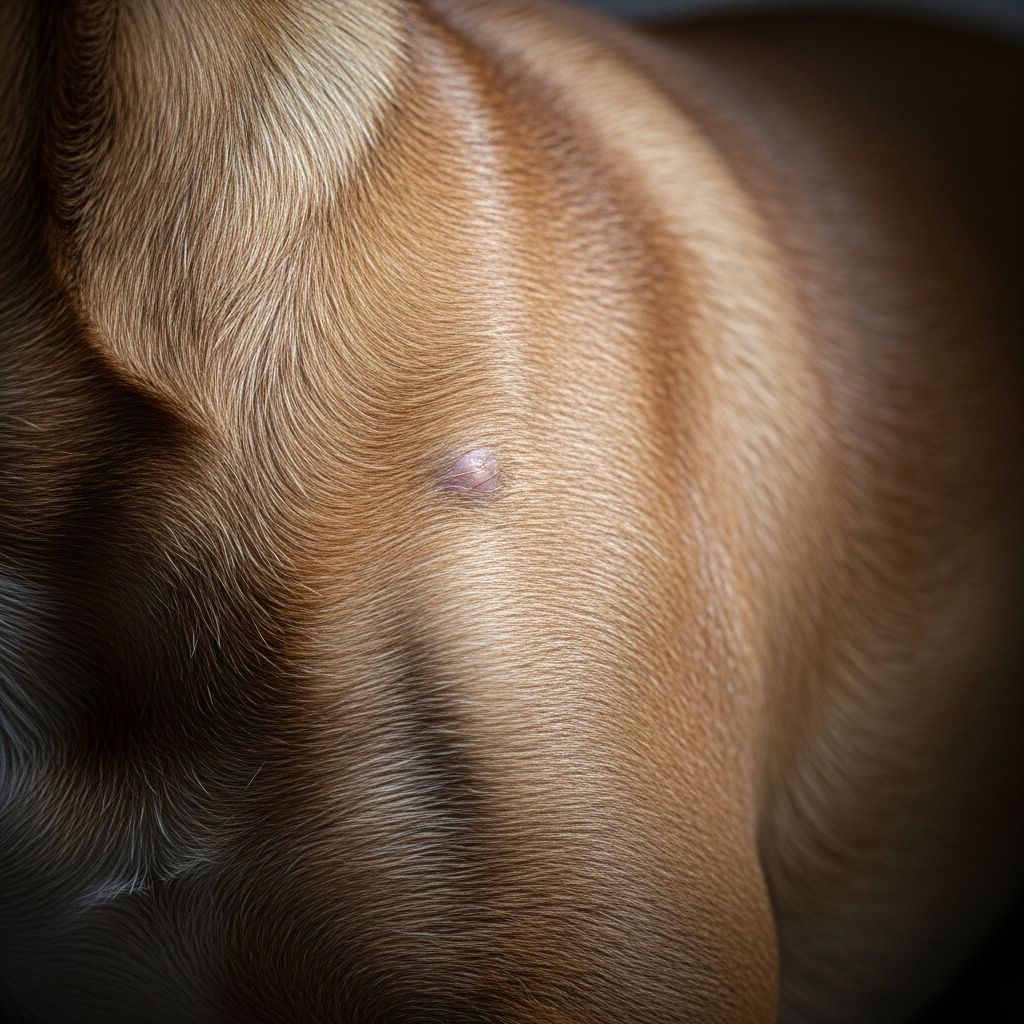
Mast cell tumors represent a prevalent form of skin cancer in dogs, while proving rarer but still impactful in cats. These growths arise from mast cells, immune components that release histamine and other substances during allergic reactions, potentially causing widespread effects when uncontrolled.
Understanding the Biology of Mast Cell Tumors
Mast cells play a vital role in the body’s defense against parasites and allergens, storing granules filled with chemicals like histamine, heparin, and cytokines. In pets, abnormal proliferation leads to tumors that can vary from harmless lumps to aggressive malignancies. In dogs, these tumors account for up to 20% of skin neoplasms, often appearing as raised, hairless nodules. Cats experience them less frequently, with many cutaneous forms behaving benignly.
The genetic underpinnings, such as mutations in the c-KIT receptor, drive uncontrolled growth, particularly in canine cases. This mutation influences treatment choices, enabling targeted therapies.
Recognizing Clinical Signs in Dogs
Dogs may present with solitary or multiple skin masses, frequently on the trunk, legs, or head. These lesions can appear suddenly, growing rapidly or fluctuating in size due to histamine release. Common indicators include:
- Red, inflamed, or ulcerated bumps that itch or bleed.
- Swelling around the face, muzzle, or limbs from degranulation.
- Gastrointestinal upset like vomiting, diarrhea, or bloody stools from systemic histamine effects.
- Lethargy, appetite loss, or abdominal pain in advanced stages.
Not all tumors cause overt symptoms; some remain asymptomatic until progression.
Clinical Manifestations in Cats
Feline mast cell tumors often manifest as small, firm dermal nodules, particularly on the head or limbs. Unlike dogs, many are low-grade and non-metastasizing. Visceral forms, involving the spleen or intestines, may cause:
- Vomiting or diarrhea, sometimes with blood.
- Weight loss and anorexia.
- Abdominal distension from organ involvement.
Cutaneous tumors in cats can regress spontaneously, but monitoring is essential as some progress.
Diagnostic Approaches for Accurate Assessment
Early diagnosis hinges on a multi-step process. Veterinarians start with fine-needle aspiration (FNA), where cells are extracted and examined microscopically for characteristic granulated mast cells. This quick, minimally invasive test confirms suspicion but cannot always determine grade.
For precise grading—critical for prognosis—full excision biopsy follows, with histopathology evaluating malignancy via Patnaik or Kiupel systems. Grading assesses mitotic index, necrosis, and invasion:
| Grade | Dogs: Behavior | Cats: Behavior |
|---|---|---|
| Low (I/II) | Benign, surgical cure likely | Often benign, excellent prognosis |
| High (III) | Metastatic potential high | Rare, more aggressive |
Staging involves bloodwork, imaging (ultrasound, X-rays, CT), and lymph node aspirates to detect spread to nodes, liver, or spleen. In dogs with c-KIT mutations, PCR testing guides therapy.
Primary Treatment Modalities
Surgical Intervention
Surgery remains the cornerstone, aiming for wide margins (2-3 cm) to encompass invisible extensions, as tumors infiltrate beyond visible boundaries. Complete excision offers cure for low-grade canine tumors and most feline cases. For incomplete removals, adjunct therapies follow.
Radiation Therapy
Highly effective for dogs, fractionated protocols (15-18 sessions, 46-54 Gy) achieve 75-96% local control post-incomplete surgery. Cats benefit similarly for inoperable skin tumors, though less commonly needed due to benign nature.
Chemotherapy Protocols
Reserved for high-grade, metastatic, or non-resectable tumors. Vinblastine, lomustine, or paccaliTaxel show efficacy; the latter boasts a 30% response in bulky grade II/III canine MCTs. Cats receive similar agents for visceral disease.
Targeted Molecular Therapies
Toceranib (Palladia) and masitinib target c-KIT mutations, extending progression-free survival (e.g., 178 days vs. 75 for placebo). Ideal for non-surgical or recurrent cases, with gastrointestinal side effects manageable via dosing.
Supportive care includes antihistamines (diphenhydramine), antacids (famotidine, omeprazole), and anti-nausea drugs to counter degranulation effects during manipulation.
Prognosis Factors and Outcomes
Prognosis varies widely:
- Dogs: Low-grade: >90% 5-year survival with surgery. High-grade or metastatic: 6-12 months median, improved by multi-modal therapy.
- Cats: Cutaneous: Often cured surgically. Splenic: 1-2 years post-splenectomy. Multicentric: Variable, some regress.
Predictors include grade, location (muzzle/trunk worse), mitotic index, and metastasis. Regular monitoring detects recurrence early.
Preventive Measures and Home Management
No proven prevention exists, but early detection via routine skin checks aids outcomes. For dogs prone to multiples, chronic Benadryl may reduce new growths. Post-treatment, E-collars prevent self-trauma, and owners should watch for GI signs.
Nutrition supports immunity; omega-3 fatty acids and antioxidants may help, though evidence is anecdotal.
Common Questions About Mast Cell Tumors
What causes mast cell tumors in pets?
Genetic mutations, especially c-KIT in dogs, underlie most cases. Environmental factors are unclear.
Can mast cell tumors be cured?
Yes, many low-grade tumors in both species are curable with surgery alone.
Is chemotherapy painful for pets?
Typically not; side effects are mild compared to human regimens.
How often should I check my pet for lumps?
Weekly skin exams, especially for breeds like Boxers, Retrievers.
What breeds are at higher risk?
Dogs: Labrador Retriever, Golden Retriever, Boxer, Bulldog. Cats: No strong breed predisposition.
Navigating Veterinary Oncology Care
Consult board-certified oncologists for complex cases. Costs vary: surgery $1,000-$5,000, chemo $3,000-$6,000/course, targeted drugs $100-$300/month. Pet insurance often covers diagnostics and treatments.
Holistic adjuncts like acupuncture or herbal anti-inflammatories complement conventional care but lack robust data.
References
- Canine mast cell tumors: diagnosis, treatment, and prognosis — PMC/NCBI. 2020-07-01. https://pmc.ncbi.nlm.nih.gov/articles/PMC7337164/
- Mast Cell Tumors in Dogs and Cats — Animal Surgical Center. 2023-01-15. https://www.animalsurgicalcenter.com/mast-cell-tumors-in-dogs-and-cats
- Mast Cell Tumors in Cats — VCA Animal Hospitals. 2024-05-20. https://vcahospitals.com/know-your-pet/mast-cell-tumors-in-cats
- Mast Cell Tumors in Cats — PetMD. 2023-11-10. https://www.petmd.com/cat/conditions/cancer/mast-cell-tumors-cats
- Mast Cell Tumors in Dogs — VCA Animal Hospitals. 2024-03-05. https://vcahospitals.com/know-your-pet/mast-cell-tumors-in-dogs
- Mast Cell Tumors in Dogs — NC State Veterinary Hospital. 2024-02-14. https://hospital.cvm.ncsu.edu/services/small-animals/cancer-oncology/oncology/mast-cell-tumors/
Similar Articles








Read full bio of medha deb


