

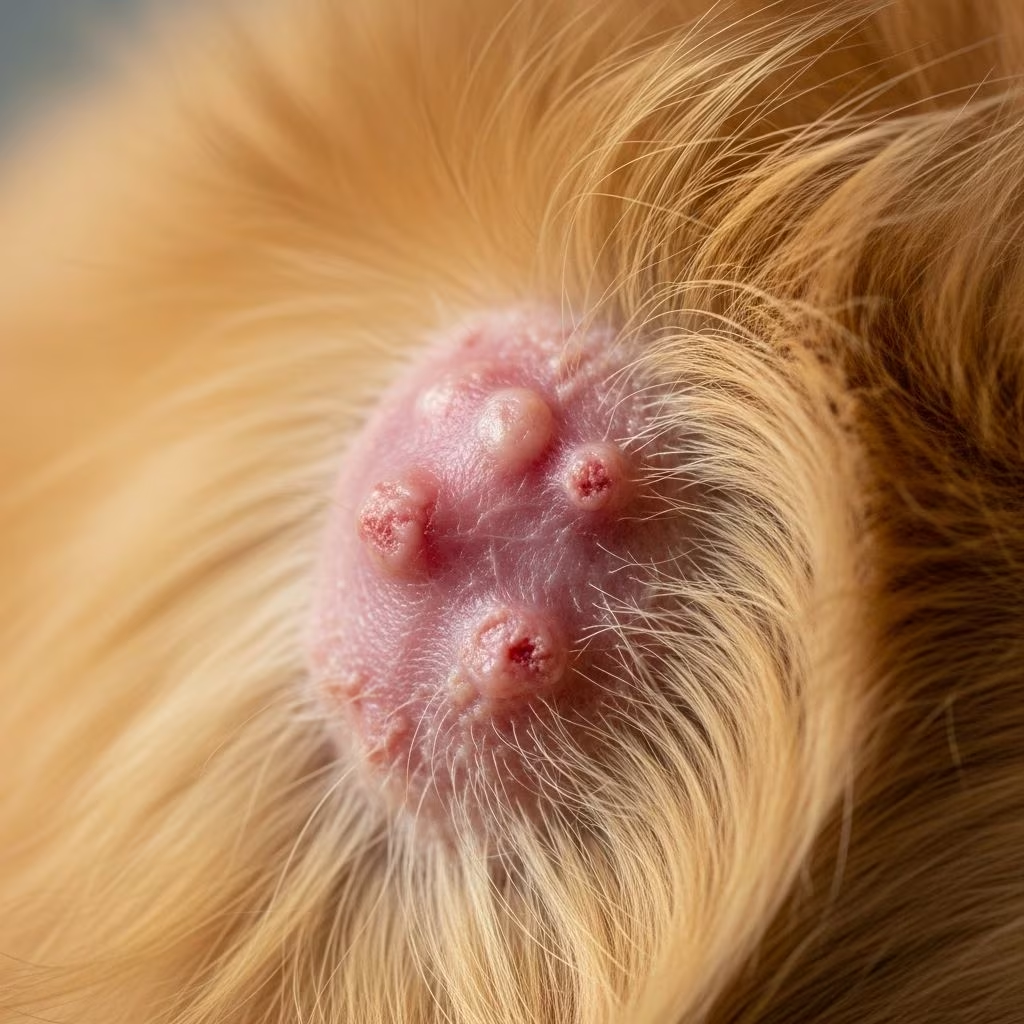
Mast cell tumors (MCTs) represent the most prevalent form of skin cancer in dogs, originating from mast cells that play a key role in the immune response. These tumors can vary widely in behavior, from benign growths to aggressive malignancies that spread to vital organs. Understanding their nature is crucial for pet owners, as timely intervention often leads to successful management.
Understanding the Biology of Canine Mast Cell Tumors
Mast cells are granular cells found in connective tissues throughout the body, particularly in the skin, respiratory tract, and digestive system. In dogs, genetic mutations can cause these cells to proliferate uncontrollably, forming tumors. Certain breeds, such as Boxers, Bulldogs, Boston Terriers, Labrador Retrievers, and Golden Retrievers, show a higher predisposition due to hereditary factors.
These tumors release histamine and other chemicals upon degranulation, leading to local inflammation and systemic effects. While most MCTs appear on the skin, they can also develop internally in the spleen, liver, or gastrointestinal tract, complicating diagnosis and treatment.
Recognizing Early Warning Signs
Early detection hinges on vigilance for subtle changes in your dog’s skin and behavior. Common indicators include:
- Firm, raised lumps or nodules on the skin, often hairless and reddish.
- Swelling, itching, or ulceration around the growth, which may fluctuate in size.
- Gastrointestinal disturbances like vomiting, diarrhea, or black, tarry stools (melena) from stomach ulcers.
- Lethargy, reduced appetite, abdominal distension, or limb edema if the tumor affects deeper tissues.
In rare cases, severe degranulation triggers anaphylaxis, manifesting as sudden collapse or breathing difficulties. Internal spread may enlarge lymph nodes, spleen, or liver, causing fluid accumulation in the abdomen.
Diagnostic Approaches for Accurate Assessment
Veterinarians employ a multi-step process to confirm MCTs and evaluate their severity. Initial examination often involves fine needle aspiration (FNA), where cells are extracted from the lump and analyzed under a microscope by a pathologist. This quick, minimally invasive test identifies abnormal mast cells with high accuracy.
Further staging includes bloodwork, abdominal ultrasound, chest X-rays, and lymph node aspirates to detect metastasis. Advanced prognostic panels analyze genetic markers like c-KIT mutations, predicting aggressiveness and guiding therapy.
Tumors are graded using systems such as the Patnaik (three grades: I low, II intermediate, III high) or Kiupel (two grades: low/high). Low-grade tumors are localized and manageable, while high-grade ones pose greater risks.
Treatment Strategies Tailored to Tumor Characteristics
Treatment selection depends on grade, location, size, and spread. Here’s an overview:
| Treatment Type | Best For | Typical Protocol | Approx. Cost Range |
|---|---|---|---|
| Surgery | Low-grade, localized tumors | Wide excision with margins; often curative | Varies by size/location |
| Radiation Therapy | Inoperable or incompletely excised tumors | Palliative or curative sessions | $1,500–$5,000 |
| Chemotherapy (Vinblastine/Lomustine) | High-grade or metastatic | IV/oral every 1–3 weeks | $600–$700 per dose |
| Targeted Therapy (Palladia) | c-KIT mutations, non-surgical cases | Oral every other day | $400–$700/month |
| Steroids/Supportive Meds | Palliative care | Daily oral with monitoring | $30–$250/month |
Surgery remains the cornerstone, aiming for clean margins. For high-grade cases, combining it with chemotherapy improves outcomes. Radiation suits tumors in challenging spots like the muzzle or nails. Novel injectables like tigilanol tiglate (Stelfonta) disrupt tumor blood supply for non-surgical options.
Supportive care includes antihistamines (e.g., Benadryl), antacids (e.g., Pepcid), and e-collars to prevent self-trauma, as manipulation exacerbates degranulation.
Prognosis: Factors Influencing Long-Term Outcomes
Prognosis varies significantly. Low-grade, fully excised tumors boast excellent survival rates, often exceeding years with minimal recurrence. High-grade tumors, especially with metastasis to lymph nodes, liver, or spleen, carry median survival times under one year despite aggressive treatment.
Mucosal MCTs (e.g., oral, conjunctival) behave more aggressively but recent studies show promising surgical results. Recurrent tumors tend to be higher grade, underscoring monthly skin checks for at-risk dogs.
Preventive Measures and Post-Treatment Care
No proven prevention exists, but breed awareness and routine vet exams aid early detection. Post-treatment, monitor for new lumps, isolate from other pets if tumors are present, and adhere to follow-ups.
Nutrition supports recovery: high-quality diets rich in omega-3s reduce inflammation. Avoid tumor irritation to prevent complications.
Frequently Asked Questions (FAQs)
What breeds are most at risk for mast cell tumors?
Boxers, Bulldogs, Retrievers, and Terriers face higher risks due to genetic predispositions.
Can mast cell tumors be benign?
Many low-grade MCTs behave benignly if excised early, but all require grading.
Is chemotherapy painful for dogs?
Side effects are milder than in humans; most dogs tolerate it well with supportive meds.
How often should I check my dog’s skin?
Daily for history of MCTs; monthly vet checks recommended.
What if surgery isn’t possible?
Radiation, targeted drugs like Palladia, or palliation offer viable alternatives.
This guide empowers dog owners to act swiftly. Consult a veterinary oncologist for personalized plans, as individual cases differ widely.
References
- Mast Cell Tumors in Dogs: What You Need to Know — Laurel Mountain Animal Hospital. 2023. https://laurelpets.com/blog/dog-mast-cell-tumors-broomfield-co/
- Mast Cell Tumors in Dogs — NC State Veterinary Hospital. 2024-10-15. https://hospital.cvm.ncsu.edu/services/small-animals/cancer-oncology/oncology/mast-cell-tumors/
- Mast Cell Tumors – A Common Skin Cancer in Dogs — Morris Animal Foundation. 2023-05-12. https://www.morrisanimalfoundation.org/article/mast-cell-tumors-in-dogs
- Mast Cell Tumors in Dogs — VCA Animal Hospitals. 2024. https://vcahospitals.com/know-your-pet/mast-cell-tumors-in-dogs
- Canine mast cell tumors: diagnosis, treatment, and prognosis — PMC (NCBI). 2020-07-15. https://pmc.ncbi.nlm.nih.gov/articles/PMC7337164/
- Mast Cell Tumors — American College of Veterinary Surgeons. 2023. https://www.acvs.org/small-animal/mast-cell-tumors/



