

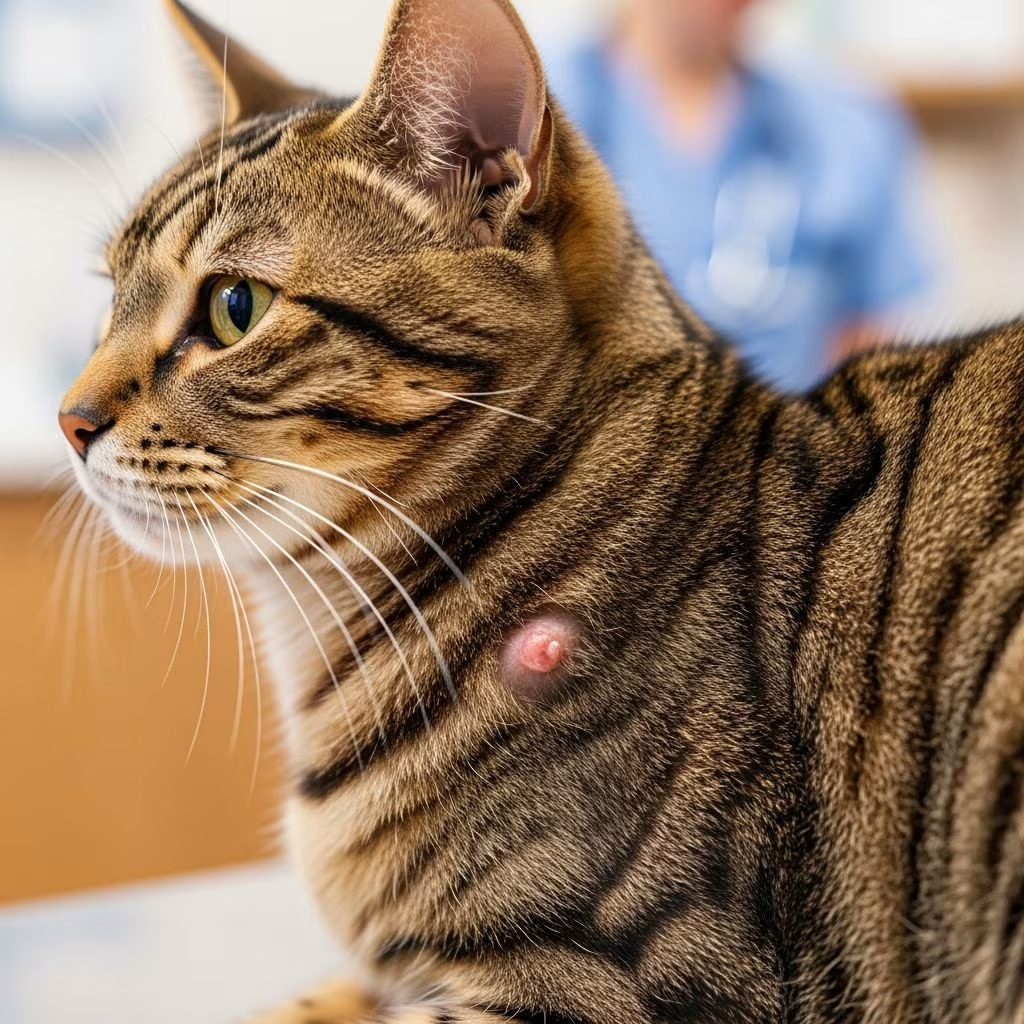
Mast cell tumors (MCTs) represent one of the most common skin cancers affecting cats, and understanding this condition is essential for pet owners who want to provide optimal care for their feline companions. These tumors originate from mast cells, which are normal cells found throughout the body that play a role in immune responses and inflammation. When these cells become cancerous, they can develop into tumors that vary significantly in their behavior, location, and prognosis. This comprehensive guide explores everything you need to know about mast cell tumors in cats, from recognition to treatment options.
What Are Mast Cell Tumors?
Mast cell tumors are neoplasms that develop from mast cells, specialized cells involved in allergic and inflammatory responses. In cats, these tumors can occur in different locations throughout the body, including the skin, spleen, and gastrointestinal tract. The behavior and severity of mast cell tumors can vary dramatically depending on their location and cellular characteristics. Some tumors are benign and grow slowly, while others are aggressive and have the potential to metastasize to other areas of the body.
Mast cell tumors are the second most common skin tumor in cats and represent the most common splenic tumor and third most common intestinal tumor in feline patients. Understanding the differences between cutaneous (skin), splenic, and gastrointestinal mast cell tumors is crucial for determining appropriate treatment strategies and predicting outcomes.
Types of Mast Cell Tumors in Cats
Mast cell tumors in cats are classified based on their location within the body. Each type presents unique challenges and requires different treatment approaches.
Cutaneous Mast Cell Tumors
Cutaneous mast cell tumors develop in the skin and are the most commonly encountered type in cats. These tumors typically appear as raised, firm bumps or lumps that may or may not have hair loss overlying them. Most feline cutaneous mast cell tumors are benign, though some can be more aggressive. The appearance alone cannot determine whether a tumor is benign or malignant, which is why histopathological examination is essential.
Splenic Mast Cell Tumors
The spleen is a blood-filtering organ that, while important for immune function, is not essential for adult cats to survive. Splenic mast cell tumors represent the most common splenic tumor in cats. Cats with splenic MCTs may show signs of systemic illness and benefit significantly from surgical removal of the affected spleen.
Gastrointestinal Mast Cell Tumors
Gastrointestinal mast cell tumors develop in the stomach or intestines and represent the third most common intestinal tumor in cats. These tumors tend to be more challenging to treat and have a higher likelihood of recurrence even after surgical removal.
Signs and Symptoms of Mast Cell Tumors
The clinical presentation of mast cell tumors varies depending on the tumor’s location and extent. Recognizing these signs early can lead to prompt veterinary evaluation and treatment.
Cutaneous Mast Cell Tumor Symptoms
Cats with skin mast cell tumors typically exhibit the following signs:
- Raised red spots on the skin, typically with hair loss
- Firm, hairless bumps or lumps on the skin
- Itchiness or excessive licking and grooming in one specific area
- Inflammation or redness around the tumor
- Occasionally, the tumor may become ulcerated or painful
Visceral and Gastrointestinal Mast Cell Tumor Symptoms
Cats with internal mast cell tumors typically display signs of systemic illness:
- Vomiting or diarrhea
- Loss of appetite or decreased interest in food
- Weight loss
- Lethargy and decreased activity levels
- Enlarged liver or spleen
- Enlarged lymph nodes
Systemic Release Symptoms
When mast cell tumors are disrupted or manipulated, they can release histamine and other chemical mediators, causing stomach upset and heartburn-like symptoms. These signs may include nausea, vomiting, and abdominal discomfort.
Diagnosis of Mast Cell Tumors
Accurate diagnosis of mast cell tumors requires a combination of diagnostic approaches to determine the tumor’s type, grade, and extent of spread.
Physical Examination
Your veterinarian will begin with a thorough physical examination, palpating the mass and evaluating for signs of metastasis such as enlarged lymph nodes or hepatomegaly (enlarged liver). The size, location, and characteristics of the tumor provide important initial information.
Fine Needle Aspiration
Fine needle aspiration involves using a small needle to collect cells from the tumor for microscopic examination. This procedure can often confirm the presence of mast cells and provide preliminary information about tumor characteristics. Gentle tissue handling during aspiration is important to minimize histamine release.
Histopathology and Biopsy
Histopathological examination is essential for determining the tumor’s grade and behavior. A pathologist evaluates the cellular characteristics, growth pattern, and other features to assess the tumor’s potential for spread and aggressiveness. This examination also confirms whether the tumor was completely removed during surgery and guides recommendations for additional treatment.
Staging and Imaging
To determine the extent of disease, your veterinarian may recommend imaging studies such as ultrasound or radiographs to evaluate for metastasis to other organs. Staging helps determine the appropriate treatment protocol and prognosis.
Tumor Behavior and Grading
Understanding whether a mast cell tumor is benign or malignant is crucial for treatment planning. Benign tumors typically grow slowly, have well-defined margins, are not painful, and are not attached to underlying tissue. Malignant tumors tend to grow rapidly, may be ulcerated or painful, have poorly defined margins, are fixed to underlying tissue, and may show evidence of spread to nearby lymph nodes or blood vessels.
How Are Mast Cell Tumors Treated?
Treatment options for mast cell tumors depend on the tumor’s location, size, grade, and extent of disease. A comprehensive approach tailored to your individual cat’s situation offers the best chance for successful outcomes.
Surgical Removal
Surgical removal of the mass is the treatment of choice whenever possible. Surgery is recommended for nearly all cutaneous tumors, as appearance alone cannot determine if a tumor is benign or aggressive. For cats presenting with multiple tumors simultaneously or those who develop additional mast cell tumors over time, surgical removal is still recommended.
Complete surgical removal with clear margins reduces the risk of recurrence. For splenic mast cell tumors, surgical removal of the affected spleen typically greatly improves the cat’s quality of life, even in cases where cancer has metastasized. Splenic removal can extend survival from approximately 4-6 months without surgery to around 14 months after surgery.
For gastrointestinal mast cell tumors, surgical removal is recommended whenever possible, though complete removal may not always be achievable. In cases where the tumor is not completely removed or surgery is too risky, additional treatment options become necessary.
Chemotherapy
Chemotherapy may be recommended based on histopathological findings and staging results. Chemotherapy is indicated when mast cell tumors appear in clusters, when a cat has masses in multiple locations, or when complete surgical removal is not possible. Both intravenous (IV) and oral chemotherapy forms are available.
The good news is that most cats tolerate chemotherapy remarkably well. Side effects such as vomiting, diarrhea, or loss of appetite are relatively uncommon and typically mild. Unlike dogs and humans, cats rarely lose fur during chemotherapy, though some may lose whiskers. A steroid called prednisone can also help when a cat has numerous nodules, as it can kill some mast cells and help shrink tumors or slow their growth.
For gastrointestinal mast cell tumors, chemotherapy may extend survival from a few months to as long as 1.5 to 2 years with aggressive treatment protocols. This typically requires regular veterinary visits, potentially monthly or more frequently.
Radiation Therapy
Radiation therapy may be suggested in cases where complete surgical removal is not possible or when the tumor’s location makes surgery too risky for your cat. This treatment option may require referral to a specialized veterinary cancer center.
Medical Management
All mast cell tumors can release compounds that increase acid production in the stomach, causing gastrointestinal upset and heartburn-like symptoms. Your veterinarian may prescribe various medications to minimize these effects:
- Antacid medications to reduce stomach acid production
- Anti-nausea medications to prevent vomiting
- Antihistamines to block histamine effects
- Pain medications for comfort
Medications such as prednisone, Benadryl, and Pepcid AC are commonly used before, during, and after surgical procedures to minimize histamine release and its serious effects on the gastrointestinal system. Gentle tissue handling during surgery is also crucial to minimize histamine release.
Prognosis and Outlook
The prognosis for cats with mast cell tumors varies significantly based on several factors:
| Tumor Type | Characteristics | Expected Prognosis |
|---|---|---|
| Benign Cutaneous | Slow-growing, well-defined margins | Excellent; cured with surgery |
| Aggressive Cutaneous | Rapid growth, poorly defined margins | Approximately 1 year average |
| Splenic (after surgery) | Complete or partial removal | Average 14 months |
| Splenic (without surgery) | Untreated | 4-6 months |
| Gastrointestinal | With aggressive treatment | 1-2 years variable |
Benign tumors are typically cured with surgery alone. The prognosis for cats with more aggressive cutaneous mast cell tumors averages about one year, though this varies considerably. For splenic tumors, surgery dramatically improves outcomes compared to no treatment. Gastrointestinal mast cell tumors have a more variable prognosis but can extend to 1-2 years with aggressive treatment including chemotherapy.
Frequently Asked Questions
Q: Are mast cell tumors in cats always cancerous?
A: No, most feline cutaneous (skin) mast cell tumors are benign. However, they should still be removed because appearance alone cannot determine whether a tumor is benign or malignant. Only histopathological examination can definitively determine a tumor’s behavior and potential for spread.
Q: Can mast cell tumors in cats spread to other parts of the body?
A: While cutaneous mast cell tumors in cats rarely spread to other areas of the body, it can happen, particularly with more aggressive tumors. Splenic and gastrointestinal mast cell tumors have greater potential for metastasis. Proper staging and treatment are important to monitor for and prevent spread.
Q: Why is histopathology important for mast cell tumors?
A: Histopathological examination determines two critical pieces of information: the cellular characteristics that indicate the tumor’s potential for spread and aggressiveness, and whether the tumor was completely removed during surgery. This information guides decisions about additional treatment, such as chemotherapy or radiation therapy.
Q: How well do cats tolerate chemotherapy for mast cell tumors?
A: Cats generally tolerate chemotherapy quite well, much better than dogs. The majority of cats experience only mild side effects such as occasional vomiting, diarrhea, or decreased appetite. Cats typically do not lose fur during chemotherapy, though some may lose whiskers.
Q: What should I do if my cat’s mast cell tumor becomes irritated?
A: If the tumor becomes red, sore, or develops a wound or crust, keep the area clean by bathing with saline solution (1 teaspoon salt per 500ml water). Contact your veterinarian promptly, as this may indicate infection or other complications requiring treatment.
Q: Is surgery always recommended for mast cell tumors in cats?
A: Surgery is the recommended treatment whenever possible for all types of mast cell tumors in cats. However, if surgery is too risky for your cat’s health, the tumor’s location makes surgery difficult, or the tumor cannot be completely removed, alternative treatments such as chemotherapy or radiation may be recommended.
Q: What is the importance of gentle tissue handling during surgery for mast cell tumors?
A: Gentle tissue handling during surgery is crucial because mast cells release histamine when disrupted. This can cause serious gastrointestinal effects and systemic symptoms. Veterinarians typically prescribe medications like prednisone, Benadryl, and Pepcid AC before, during, and after surgery to minimize these effects.
Conclusion
Mast cell tumors in cats require prompt recognition, accurate diagnosis, and comprehensive treatment planning. While many cutaneous mast cell tumors are benign, all suspicious skin lesions should be evaluated by a veterinarian and submitted for histopathology to determine appropriate treatment. Surgical removal remains the gold standard treatment whenever possible, offering the best chance for cure or extended survival. For cats where surgery is not feasible or tumors are not completely removed, chemotherapy, radiation therapy, and medical management provide important options to improve quality of life and extend survival. Regular communication with your veterinarian and potentially a veterinary oncologist will help ensure your cat receives the most appropriate care for their specific situation.
References
- Mast Cell Tumors in Cats — VCA Animal Hospitals. 2024. https://vcahospitals.com/know-your-pet/mast-cell-tumors-in-cats
- Medical Oncology: Feline Mast Cell Tumors — North Carolina State University College of Veterinary Medicine. 2024. https://hospital.cvm.ncsu.edu/services/small-animals/cancer-oncology/oncology/medical-oncology-feline-mast-cell-tumors/
- Mast Cell Tumors in Cats — PetMD. 2024. https://www.petmd.com/cat/conditions/cancer/mast-cell-tumors-cats
- What to Know About Mast Cell Tumors in Cats — WebMD Pets. 2024. https://www.webmd.com/pets/cats/what-to-know-mast-cell-tumors-cats
- Mast Cell Tumors in Cats — PetCure Oncology. 2024. https://petcureoncology.com/mast-cell-tumors-in-cats/
- Mast Cell Tumor (Mastocytoma) in Cats — Ashworth Pet Care. 2024. https://www.ashworthpet.com/mast-cell-tumor-mastocytoma-in-cats



