

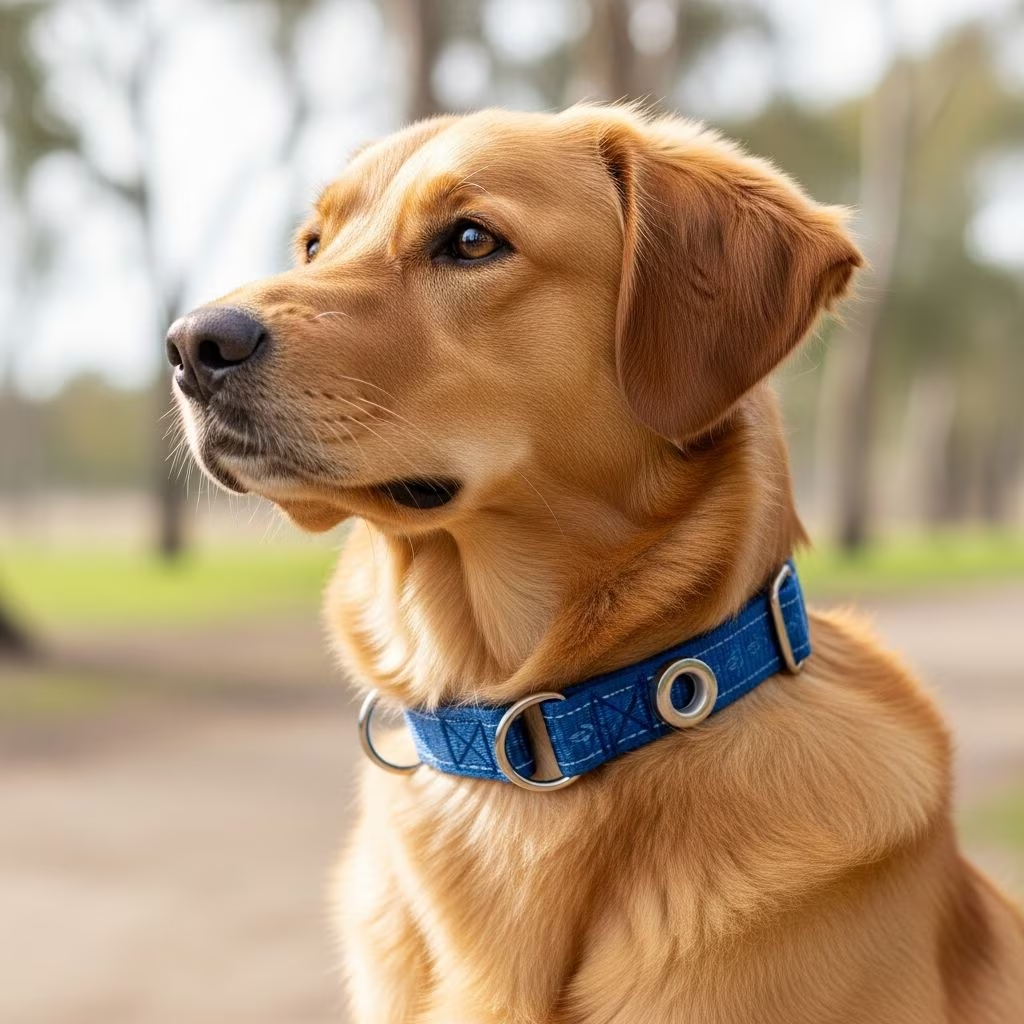
Dog owners face numerous challenges when it comes to keeping their pets safe during outdoor activities. One of the most common concerns involves dogs that slip out of their collars or attempt to escape during walks. This safety issue has prompted the development of specialized equipment designed to prevent such incidents while maintaining comfort for the animal. Martingale collars represent a thoughtful solution to this problem, offering enhanced security without the harsh impact of traditional restraint methods.
Understanding How Martingale Collars Function
Martingale collars operate on a straightforward yet effective mechanical principle that distinguishes them from conventional flat collars. The collar features a dual-loop design where one larger loop encircles the dog’s neck while a smaller loop connects to the leash attachment point. When a dog pulls on the leash or attempts to back out of the collar, the smaller loop tightens gradually, distributing pressure evenly across the neck rather than concentrating force at a single point.
This design mechanism provides several advantages over standard collars. The even distribution of pressure reduces the risk of neck injury compared to choke chains or prong collars, which can cause localized trauma. Unlike slip leads that continue tightening indefinitely, martingale collars include a built-in safety feature that prevents over-tightening, automatically limiting the amount of tension applied to the dog’s neck when the leash is pulled.
The historical origins of martingale collars trace back to their use with sight hounds, particularly breeds like Greyhounds and Whippets. These dogs naturally possess smaller heads relative to their neck circumference, making escape from regular collars a significant safety concern. Modern dog owners have adopted martingale collars for this same reason, recognizing that many breeds and mixed dogs struggle with slipping out of traditional collar designs.
Distinguishing Between Standard and Martingale Collar Designs
The primary operational difference between standard collars and martingale collars lies in how they achieve a secure fit. Traditional collars rely on fixed buckle mechanisms that set a predetermined collar size, meaning the fit remains constant regardless of whether the dog pulls on the leash. This static design creates vulnerability for dogs prone to backing out or slipping free.
Martingale collars, by contrast, employ dynamic tightening mechanisms that respond to the dog’s movement. When stationary or walking normally without pulling, martingale collars maintain a comfortably loose fit that doesn’t restrict breathing or cause discomfort. The moment a dog attempts to escape or pulls forcefully, the secondary loop engages, gently reducing the collar’s circumference to create a secure hold that prevents slipping without causing harm.
This responsive design philosophy makes martingale collars particularly valuable for dogs with anxiety, prey drive, or natural escape instincts. Rather than applying constant pressure like some restraint devices, martingale collars apply pressure only when necessary, making them more humane and psychologically less stressful for the dog.
Exploring Different Martingale Collar Varieties
The martingale collar market offers several distinct design variations, each suited to different dog breeds, sizes, and owner preferences. Understanding these options helps pet owners select the most appropriate collar for their specific situation.
Slip-On Martingale Designs
Slip-on martingale collars feature the most straightforward construction, utilizing two fabric, leather, or nylon loops without any buckle mechanism. The larger loop slides over the dog’s head to encircle the neck, while the smaller loop provides the tightening function when connected to the leash. This simple design eliminates bulk and creates a streamlined appearance that many owners find aesthetically pleasing.
The slip-on style offers particular advantages for dogs that dislike having collars fastened around them or owners seeking a faster application process. However, this design requires slipping the collar over the dog’s head, which can be cumbersome for dogs with particularly large heads or for owners managing anxious pets. The lightweight construction and minimal hardware make slip-on collars an excellent everyday option for well-behaved dogs.
Buckle-Equipped Martingale Collars
Buckle martingale collars combine the security features of martingale designs with quick-release mechanisms for enhanced convenience. These collars typically feature durable nylon or leather construction with a rapid-release buckle that allows owners to fasten and remove the collar without sliding it over the dog’s head. The buckle mechanism also enables collar size adjustments without handling the collar awkwardly.
This style proves particularly beneficial for larger breed dogs or those with thicker necks, as the buckle eliminates the challenge of maneuvering a collar over a sizable head. Additionally, buckle martingale collars often include customization options such as engraved or embroidered buckles, providing both functional security and personal identification features. These collars suit dogs that dislike collars being pulled over their heads or situations where owners need rapid collar removal.
Chain-Hybrid Martingale Collars
Chain-hybrid designs, sometimes called “half-check” collars, blend fabric or nylon material with metal chain components. The nylon portion rests comfortably around the neck while a metal chain loop provides the tightening mechanism. This hybrid construction offers an audible feedback element when the chain tightens, creating a distinctive sound that communicates with the dog during training sessions.
The metal chain component provides durability and creates a training signal through sound association. Dogs often respond to the metallic clicking or jingling sound, making these collars particularly useful for behavioral training. However, some owners prefer avoiding chain components due to personal preferences or concerns about durability when exposed to moisture or salt.
Key Advantages of Martingale Collar Technology
Martingale collars address specific safety and practical concerns that standard collars fail to resolve:
- Escape Prevention: The tightening mechanism effectively prevents dogs from backing out or slipping free, particularly valuable for nervous, anxious, or prey-driven dogs
- Injury Reduction: Even pressure distribution minimizes neck trauma compared to choke chains or prong collars
- Safety Limiting: Built-in mechanisms prevent dangerous over-tightening, protecting the dog from inadvertent harm
- Behavioral Training: The responsive design provides immediate feedback when dogs pull, assisting with leash training efforts
- Breed Suitability: Particularly effective for sight hounds and breeds with head-to-neck proportions that facilitate escape
- Comfort During Activity: Loose fit during normal walking provides comfort while maintaining security during stressful situations
Selection Criteria for Choosing the Right Martingale Collar
Selecting an appropriate martingale collar requires evaluating multiple factors to ensure the collar meets both the dog’s physical requirements and the owner’s practical needs.
Size and Fit Considerations
Proper collar sizing ensures both comfort and functionality. The collar should fit snugly enough to prevent slipping when the dog pulls but loosely enough to allow comfortable breathing during normal activities. Most quality martingale collars offer adjustable sizing to accommodate neck growth or weight changes. Owners should measure their dog’s neck circumference and consult manufacturer sizing charts to identify the correct size range.
Material Quality and Durability
The collar’s material directly impacts its longevity and performance. Heavy-duty nylon provides excellent durability for active dogs, resisting fraying and maintaining structural integrity through repeated use. Leather alternatives offer aesthetic appeal and natural comfort but require regular maintenance to prevent deterioration. Reflective materials enhance nighttime visibility, particularly important for dogs walked during evening or early morning hours when light conditions compromise visibility to vehicle operators.
Hardware and Attachment Points
The leash attachment mechanism should feature sturdy metal components capable of withstanding the force generated by a pulling dog. V-ring attachments and heavy-duty metal loops provide reliable connection points that distribute force evenly rather than concentrating pressure at a single location. Poor-quality hardware may bend, break, or separate, compromising the collar’s safety function.
Ease of Application and Removal
Consider how quickly and easily the collar can be fastened and removed. Slip-on designs require speed and control but offer streamlined appearance. Buckle designs sacrifice minimal application time but provide convenient removal options. For owners managing anxious or reactive dogs, quick-release mechanisms may prove invaluable.
Premium Martingale Collar Recommendations
Several manufacturers have earned recognition for producing high-quality martingale collars that balance durability, functionality, and comfort:
Ruffwear Web Reaction Collar
Ruffwear’s Web Reaction martingale collar features the company’s signature durable nylon material engineered to withstand demanding outdoor activities. The collar incorporates a heavy-duty metal V-ring leash attachment point designed to handle substantial pulling force without deformation. Integrated reflective webbing significantly enhances visibility during low-light conditions, making the dog easily identifiable to approaching vehicles or pedestrians on evening walks. This collar appeals to active owners seeking robust equipment for dogs that spend considerable time outdoors.
Max and Neo Martingale Collar
The Max and Neo martingale collar balances quality with accessibility through mid-range pricing and versatile design. Heavy-duty nylon construction ensures durability comparable to premium alternatives while remaining affordable for budget-conscious owners. The lockable nylon clasp enables quick fastening without requiring the collar to slide over the dog’s head, benefiting dogs with larger frames or those resistant to collar handling. Reflective stitching provides nighttime visibility comparable to more expensive options, and the extensive size range accommodates dogs from small breeds to large breeds. This collar represents an excellent choice for owners seeking professional-quality equipment without premium pricing.
Ideal Candidates for Martingale Collar Use
Certain dog characteristics and situations make martingale collars particularly appropriate choices:
| Dog Type | Reason for Martingale Suitability |
|---|---|
| Sight Hounds (Greyhounds, Whippets) | Naturally small heads relative to neck circumference facilitate escape from standard collars |
| Anxious or Fearful Dogs | Responsive tightening provides security without constant pressure, reducing anxiety triggers |
| High Prey Drive Dogs | Enhanced security prevents impulsive escape attempts during sightings of wildlife or distractions |
| Escape Artist Dogs | Proven track record of preventing backing out or slipping free during walks |
| Dogs in Training | Responsive design provides immediate behavioral feedback during leash training sessions |
| Senior Dogs | Gentle pressure distribution minimizes neck strain compared to choke or prong alternatives |
Frequently Asked Questions About Martingale Collars
Do martingale collars harm dogs?
When properly fitted and used appropriately, martingale collars cause minimal harm compared to alternative restraint devices. The even pressure distribution significantly reduces injury risk compared to choke chains or prong collars. However, improper sizing or excessive force can cause discomfort. Owners should ensure collars fit correctly and avoid unnecessary tugging or jerking.
Are martingale collars appropriate for all dog breeds?
While martingale collars provide benefits for most breeds, they prove particularly valuable for dogs with escape tendencies or specific head-to-neck proportions. Dogs with existing neck problems or health conditions affecting the throat should consult veterinarians before martingale collar use. Large-breed dogs may benefit from buckle-style martingale collars that accommodate easier fastening.
How do martingale collars compare to harnesses?
Martingale collars and harnesses serve different purposes. Collars concentrate control around the neck for directional guidance during walks, while harnesses distribute force across the chest and shoulders, making them preferable for dogs with pulling issues or respiratory concerns. Many owners use both devices depending on walking conditions and behavioral goals.
Can puppies wear martingale collars?
Puppies can wear appropriately sized martingale collars, and many owners prefer them for young dogs prone to escaping. Proper fit ensures the collar doesn’t restrict growth or cause discomfort. As puppies grow, collar sizes require periodic updates to maintain appropriate fit.
Conclusion: Enhancing Pet Safety Through Smart Equipment Choices
Martingale collars represent a significant advancement in pet safety equipment, addressing escape risks through thoughtful engineering that balances security with comfort. By understanding the different martingale collar styles, selection criteria, and quality indicators, dog owners can make informed decisions that enhance their pets’ safety during outdoor activities. Whether managing escape-prone dogs or training reactive animals, martingale collars provide a humane, effective solution that has earned widespread adoption among conscientious pet owners and professional trainers alike.
References
- Choosing the Right Collar for Your Dog — American Kennel Club. Accessed March 2026. https://www.akc.org/expert-advice/lifestyle/choosing-right-dog-collar/
- Martingale Dog Collars – Types & Uses — The Artful Canine Blog. https://blog.theartfulcanine.com/martingale-dog-collars/
- When to Choose a Martingale Collar for Your Dog — 2 Hounds Design. https://2houndsdesign.com/blogs/blog/the-pros-and-cons-of-martingale-dog-collars
- Types of Martingale Collars: A Comparison for Pet Owners — dogIDs. https://www.dogids.com/blog/types-of-martingale-collars-a-comparison-for-pet-owners/
- How to Choose a Martingale Collar — Petiquette Collars UK. https://petiquettecollars.co.uk/how-to-choose-a-martingale-collar/



