

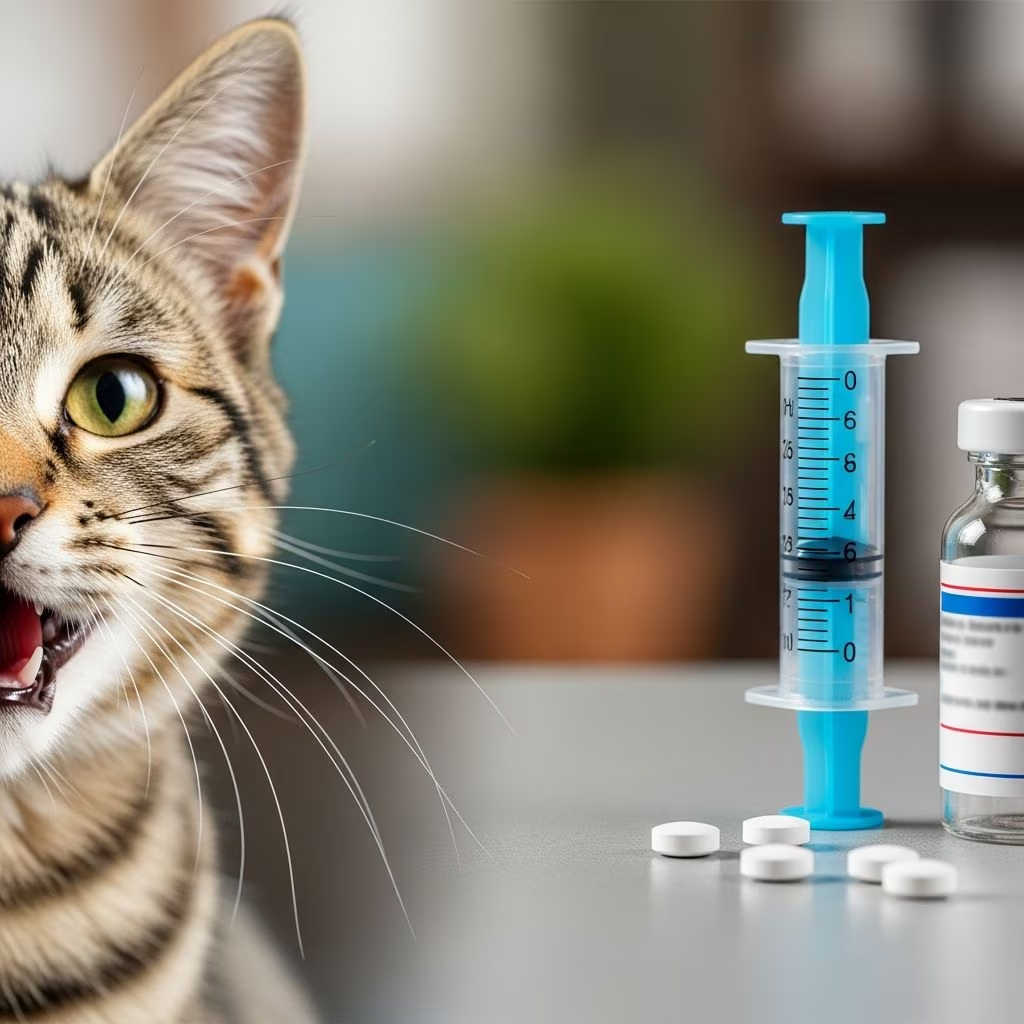
Understanding Maropitant Citrate
Maropitant citrate, commonly known by its brand name Cerenia, is a prescription antiemetic medication specifically designed to prevent and treat vomiting in dogs and cats. This neurokinin-1 (NK1) receptor antagonist was first approved by the FDA in 2007 for use in dogs and later approved for cats in 2012. The medication works by blocking substance P, a key chemical involved in the vomiting reflex within the central nervous system, making it highly effective for various causes of nausea and vomiting.
How Maropitant Citrate Works
Maropitant functions by targeting neurokinin-1 receptors located in multiple areas of the body, including the chemoreceptor trigger zone (CRTZ) and vomiting center in the brain, as well as in the gastrointestinal tract. By blocking these receptors, maropitant prevents the transmission of signals that trigger the vomiting response. This dual action—both in the central nervous system and the gastrointestinal tract—makes it effective regardless of what is causing the vomiting, whether it’s motion sickness, post-operative complications, systemic illness, or chemotherapy side effects.
Common Uses in Dogs
Veterinarians frequently prescribe maropitant for dogs experiencing various types of vomiting and nausea. The medication is particularly valued for its effectiveness in preventing motion sickness, which is a common problem in dogs who travel in vehicles. Additionally, maropitant is used to manage perioperative vomiting—nausea that often occurs during recovery from surgery or anesthesia—and to address chemotherapy-related vomiting in dogs undergoing cancer treatment. The injectable formulation is FDA-approved for treating acute vomiting, while tablet formulations are used for prevention of vomiting from multiple causes.
Motion Sickness Prevention
Motion sickness is one of the primary indications for maropitant in dogs. By blocking the receptors responsible for vestibular-related nausea, maropitant is now considered the first choice for preventing motion sickness vomiting in dogs. This makes travel and transportation significantly more comfortable for affected animals.
Perioperative Use
Maropitant has proven valuable during the perioperative period, helping to prevent emesis associated with premedication and anesthesia. Veterinarians often administer this medication as part of the pre-surgical protocol to ensure the dog’s comfort during and after procedures.
Common Uses in Cats
In cats, injectable maropitant is approved for the treatment of vomiting, administered at a dose of 1 mg/kg intravenously or subcutaneously every 24 hours for 5 days. However, oral maropitant is commonly used off-label in feline patients. Cats typically require a lower dose than dogs (1 mg/kg versus 2 mg/kg in dogs) due to differences in bioavailability, with cats showing approximately 50% bioavailability compared to 23.7% in dogs.
Vomiting Management
Maropitant has demonstrated significant effectiveness in cats suffering from vomiting. Studies show that when administered before xylazine (a sedative that commonly causes vomiting), maropitant reduced the mean number of emetic events by 90% when given orally or intravenously, and by 76% when given subcutaneously.
Chronic Kidney Disease Applications
Cats with chronic kidney disease represent a particularly important application for maropitant. The medication is especially useful in these cases because it targets receptors in the CRTZ and vomiting center where uremic toxins are sensed, as well as receptors in the gastrointestinal tract. Studies demonstrate that maropitant administered daily at 4 mg per cat orally for 2 weeks significantly decreased vomiting in cats with International Renal Interest Society stage 2 and 3 chronic kidney disease.
Dosage and Administration
Proper dosing is critical for maropitant’s effectiveness. The medication is available in multiple formulations with varying strengths and routes of administration.
Available Forms and Strengths
Maropitant citrate tablets are supplied in 16, 24, 60, or 160 mg doses of maropitant as maropitant citrate per tablet. Each tablet strength is scored and packaged in blister packs containing four tablets per perforated sheet. Injectable formulations are also available for veterinary use. The FDA approved the first generic maropitant citrate tablets in March 2023, making this medication more accessible to pet owners.
Dosing Guidelines
In dogs, the typical tablet dose differs from the injectable formulation dose requirements. Dogs receiving tablets typically require 2 mg/kg for prevention of vomiting from various causes. For cats, the approved injectable dose is 1 mg/kg IV or SC every 24 hours for 5 days, though oral administration at 1 mg/kg daily is common off-label use. Dosing adjustments may be necessary for cats with hepatic disease, with doses often reduced by 50%, though specific pharmacokinetic data in feline patients with liver dysfunction remains limited.
Additional Benefits Beyond Vomiting Control
Beyond its primary anti-vomiting action, maropitant offers several additional therapeutic benefits that make it valuable in veterinary medicine.
Mild Analgesic Properties
Maropitant possesses mild pain control properties and can function as an adjunct analgesic, particularly useful for managing visceral pain. This pain-relieving capability makes it especially valuable in the perioperative period and for chronic pain conditions. Research indicates that maropitant’s ability to block substance P—a key neurotransmitter in pain transmission pathways—contributes to its analgesic effects.
Anesthetic-Sparing Effects
The medication also exhibits anesthetic-sparing effects, mildly reducing intra-procedural inhaled anesthesia dose requirements. This benefit can reduce overall anesthetic exposure during surgical procedures, contributing to improved patient safety and recovery.
Potential Side Effects
While maropitant is generally well-tolerated in both dogs and cats, pet owners should be aware of potential adverse effects.
Common Side Effects
The most commonly reported side effects in dogs include loss of appetite, excessive tiredness or lethargy, drooling, vomiting (paradoxically in some cases), and diarrhea. These effects are typically mild and temporary. In cats, adverse effects appear to be minimal when the medication is used as directed, though long-term use in chronically ill patients requires careful monitoring.
Allergic Reactions and Handling Precautions
The product labeling warns that people handling, administering, or exposed to maropitant citrate may experience allergic skin reactions if the product contacts their skin. Individuals administering the drug should wash their hands thoroughly with soap and water after administration. The medication may also cause eye irritation if it contacts the eye, and accidental eye exposure requires immediate flushing with water for 15 minutes and subsequent medical attention.
Important Considerations for Use
Pet owners must understand several important aspects of maropitant before administration.
Prescription-Only Medication
Maropitant citrate is only available by prescription from a licensed veterinarian because professional veterinary expertise is needed to determine whether maropitant is an appropriate treatment for each individual pet. A veterinarian must evaluate the pet’s specific condition, underlying causes of vomiting, and overall health status before prescribing this medication.
Treatment of Underlying Conditions
It is important to note that while maropitant effectively controls nausea and vomiting symptoms, it does not treat or resolve underlying gastrointestinal problems or systemic diseases causing the vomiting. The medication works on symptoms while veterinarians must address the root cause of the vomiting through appropriate diagnostic testing and treatment protocols.
Monitoring in Hepatic Disease
Cats with hepatic (liver) disease require special consideration, and dosing is often reduced by 50% due to cautions on the package insert, though specific pharmacokinetic data about how liver dysfunction affects maropitant metabolism in cats has not been extensively published.
Comparison with Alternative Antiemetics
Several antiemetic medications are available for treating pet vomiting, each with distinct characteristics and applications.
| Medication | Mechanism | Primary Use | Key Advantage |
|---|---|---|---|
| Maropitant (Cerenia) | NK1 receptor antagonist | Motion sickness, acute vomiting | Effective for motion sickness; adjunct analgesia |
| Ondansetron (Zofran) | 5-HT3 receptor antagonist | Chemotherapy-induced nausea | Effective for specific types of vomiting |
| Metoclopramide (Reglan) | Dopamine antagonist | Gastroesophageal reflux | Prokinetic effects |
| Chlorpromazine (Thorazine) | Dopamine antagonist | General vomiting | Traditional option |
Veterinarians now often prefer maropitant over traditional options such as chlorpromazine, ondansetron, dolasetron, and metoclopramide due to its superior effectiveness and additional therapeutic benefits.
Frequently Asked Questions
Q: Is maropitant citrate safe for long-term use?
A: Anecdotally, long-term use of maropitant in chronically ill patients appears to be well tolerated, and it is increasingly being used for chronic pain management in dogs. However, veterinary supervision is essential for monitoring effectiveness and safety over time.
Q: Can maropitant be used to treat vomiting from all causes?
A: Maropitant is effective for vomiting from various causes because it blocks receptors in multiple locations affecting the vomiting response. However, a veterinarian must determine whether it is appropriate for your pet’s specific condition, as it treats symptoms rather than underlying diseases.
Q: What is the difference between the injectable and tablet forms?
A: The injectable formulation is FDA-approved for acute vomiting treatment in dogs and cats, while tablet formulations in dogs are primarily used for prevention of vomiting from various causes. The tablet form may require a higher dose to prevent motion sickness-related vomiting.
Q: Does maropitant provide pain relief?
A: Yes, maropitant provides mild pain control and serves as an adjunct analgesic, particularly for visceral pain, making it valuable during the perioperative period and for certain chronic pain conditions.
Q: Can maropitant be used in cats with kidney disease?
A: Yes, maropitant is particularly useful for cats with chronic kidney disease because it targets receptors where uremic toxins are sensed. Studies show it significantly reduces vomiting in cats with stage 2 and 3 chronic kidney disease.
Q: Are there any special handling precautions?
A: Yes, people administering maropitant should wash their hands thoroughly with soap and water after administration due to potential allergic skin reactions. Eye contact requires immediate flushing with water for 15 minutes and medical attention.
Q: How quickly does maropitant work?
A: Maropitant is a fast-acting medication that quickly addresses nausea and vomiting symptoms, though it does not treat underlying gastrointestinal or systemic problems causing the vomiting.
References
- FDA Approves First Generic Maropitant Citrate Tablets for Use in Dogs to Prevent Vomiting — U.S. Food and Drug Administration. 2023-03-31. https://www.fda.gov/animal-veterinary/cvm-updates/fda-approves-first-generic-maropitant-citrate-tablets-use-dogs-prevent-vomiting
- Maropitant Use in Cats — Today’s Veterinary Practice. https://todaysveterinarypractice.com/pharmacology/maropitant-use-in-cats/
- Maropitant — Wikipedia. https://en.wikipedia.org/wiki/Maropitant
- Cerenia (Maropitant) for Dogs: Uses, Side Effects, and Alternatives — American Kennel Club. https://www.akc.org/expert-advice/health/cerenia-for-dogs/
- Efficacy of Maropitant (Cerenia®) as an Adjunct Analgesic in Dogs — College of Veterinary Medicine, Cornell University. https://www.vet.cornell.edu/research/awards/201601/efficacy-maropitant-cerenia-adjunct-analgesic-dogs
- Maropitant (Cerenia®) for Dogs — PetMD. https://www.petmd.com/pet-medication/cerenia-maropitant-for-dogs
- Cerenia (Maropitant Citrate) for Dogs: Uses, Side Effects, and More — GoodRx. https://www.goodrx.com/pet-health/dog/cerenia-for-dogs



