

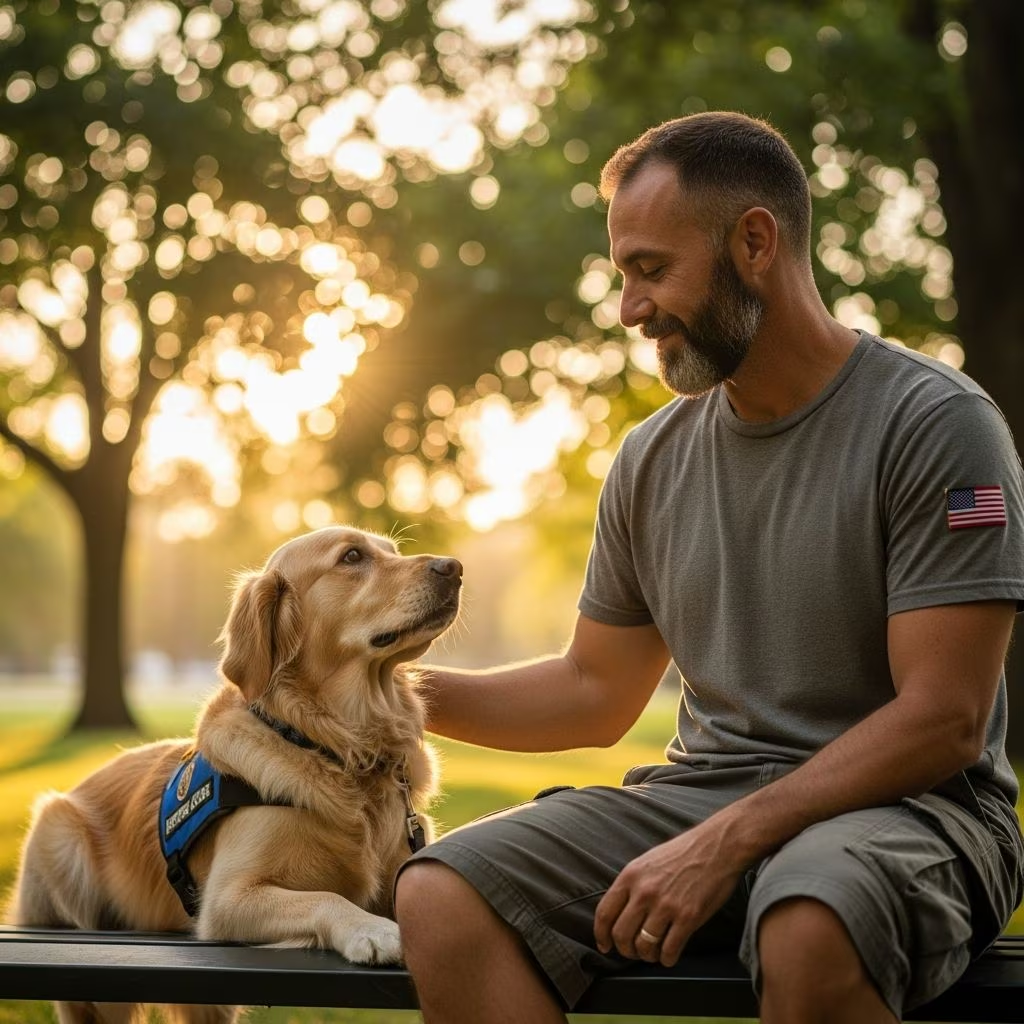
From Struggle to Strength: A Marine Veteran’s Journey with His Service Dog
For Marine veteran Paul Coppola, life after military service presented challenges that extended far beyond physical injuries. A Purple Heart recipient who had endured significant trauma during his service, Paul initially believed that seeking help through a service dog was unnecessary. He didn’t think his post-traumatic stress disorder (PTSD) warranted the support of a specially trained canine companion. However, his perspective would change dramatically when he met Dobby at Operation Delta Dog, a nonprofit organization dedicated to pairing veterans with service dogs. Today, Paul credits his service dog with giving him his freedom back and transforming his entire life.
Understanding Paul Coppola’s Military Background
Paul Coppola’s service in the United States Marine Corps left lasting impressions on both his body and mind. As a Purple Heart recipient, Paul had faced combat situations that tested his resilience and courage. The experiences he endured during his deployment created invisible wounds that would continue to affect his daily life long after his service ended. Like many veterans, Paul struggled with the transition back to civilian life, finding it difficult to navigate the complexities of PTSD and its manifestations in everyday situations.
The Initial Hesitation About Service Dog Support
One of the most significant barriers Paul faced was his own reluctance to accept help. Many veterans share this mindset, believing that their struggles don’t warrant professional support or that asking for help represents a weakness rather than a strength. Paul held similar beliefs initially, questioning whether his PTSD symptoms were severe enough to justify the resources of a service dog. This hesitation is common among veterans who have been trained to be self-reliant and to push through adversity. However, what Paul would soon discover is that accepting help doesn’t diminish strength—it demonstrates wisdom and self-awareness.
Meeting Dobby: The Turning Point
Paul’s journey took a transformative turn when he connected with Operation Delta Dog and met Dobby, his soon-to-be service dog. Dobby was specifically trained to assist Paul with his PTSD symptoms and to provide the specialized support that only a well-trained service dog can offer. From their first meeting, something clicked between Paul and Dobby. The connection wasn’t instantaneous in terms of magical moments, but rather a gradual recognition that this dog was precisely what Paul needed. The bond that formed between them would become the foundation for Paul’s recovery and renewed sense of hope.
How Service Dogs Support Veterans with PTSD
Service dogs trained for veterans with PTSD perform multiple critical functions that go far beyond being a comforting companion. These highly trained animals are taught to recognize specific behavioral changes and stress responses in their handlers. They can alert veterans to anxiety attacks before they become overwhelming, helping the veteran take proactive steps to manage their symptoms. Service dogs can also provide deep pressure therapy, which involves applying gentle pressure to their handler’s body during moments of distress—a technique that has been scientifically shown to reduce anxiety and promote calm.
Key Functions of Dobby’s Service Work
Dobby’s training enabled him to perform several essential tasks:
- Recognizing signs of PTSD episodes and providing alert responses
- Creating a protective presence during anxiety and panic attacks
- Offering deep pressure therapy to ground Paul during emotional overwhelm
- Helping Paul feel safer in public spaces and crowded environments
- Providing consistent, unconditional companionship and emotional support
- Interrupting harmful thought patterns through their presence and interaction
The Immediate Impact on Paul’s Daily Life
The changes Paul experienced after beginning life with Dobby were remarkable and, in many ways, immediate. Tasks that had previously seemed overwhelming became manageable. Social situations that had triggered anxiety became more navigable. Paul found himself able to venture into public spaces with greater confidence, knowing that Dobby was there to provide both practical support and emotional reassurance. The service dog didn’t just help with specific PTSD symptoms; Dobby became a catalyst for broader positive changes in Paul’s life, including improved sleep, reduced hypervigilance, and enhanced overall well-being.
Restoring Independence and Freedom
Perhaps the most profound impact of Paul’s relationship with Dobby was the restoration of his independence and freedom. Many veterans with PTSD experience significant limitations that restrict their ability to move through the world with confidence. They may avoid certain situations, limit their social interactions, or struggle with activities that once brought them joy. Through Dobby’s support, Paul gradually reclaimed areas of his life that PTSD had constrained. He could attend social events, visit new places, and engage with his community in ways that had felt impossible before. This reclaimed freedom extended to psychological and emotional independence as well—Paul no longer felt imprisoned by his symptoms.
The Role of Operation Delta Dog
Operation Delta Dog plays a crucial role in stories like Paul’s. As a nonprofit organization dedicated to pairing rescued dogs with veterans, Operation Delta Dog combines two important missions: providing service dogs to veterans who need them and giving rescue dogs a purposeful second life. The organization’s trainers work extensively with both the dogs and the veterans to ensure successful matches and to prepare both parties for their life together. The rigorous training process means that service dogs like Dobby arrive fully equipped to support their handlers from day one, but the human-canine bond continues to deepen over time.
Understanding Service Dog Training Standards
The training that Dobby received represents hundreds of hours of specialized instruction. Service dogs for veterans must learn to work calmly in public spaces, recognize behavioral changes in their handlers, respond to specific commands, and maintain focus despite environmental distractions. This training process typically takes several months to over a year, depending on the individual dog and the specific needs of the veteran. The investment in thorough training ensures that the service dog can reliably perform their duties and provide consistent support to their handler.
The Emotional Bond Between Handler and Service Dog
While Dobby’s training and abilities are essential to his role, the emotional bond between Paul and Dobby is equally important. This relationship transcends the formal service dog duties. Dobby provides companionship, unconditional acceptance, and a constant reminder to Paul that he is not alone in his struggles. For many veterans, this emotional connection is as therapeutic as the physical and behavioral support the dog provides. The presence of a loving, supportive animal can significantly impact mental health outcomes and promote healing.
Challenges Paul Overcame
Paul’s journey wasn’t without obstacles. Beyond his initial reluctance to accept a service dog, veterans often face other challenges including stigma around mental health, difficulty trusting new relationships or bonds, and the practical challenges of integrating a working animal into daily life. Some veterans worry about how others will perceive them with a service dog, fearing judgment or unwanted attention. Paul’s decision to share his story publicly helps break down these barriers and encourages other veterans to consider whether a service dog might support their own healing journey.
The Broader Impact of Sharing Paul’s Story
By opening up about his experience with Dobby, Paul Coppola contributes to a broader cultural shift in how we understand service dogs and PTSD treatment. His story, highlighted through platforms like Chewy and other media outlets, demonstrates that seeking help is not weakness and that unexpected sources of support can produce transformative results. When veterans see other veterans thriving with service dog support, it normalizes the option and removes barriers to seeking help. Paul’s willingness to be vulnerable and share his journey creates a ripple effect that may inspire countless other veterans to consider service dogs as part of their healing process.
Life After Meeting Dobby: Paul’s New Normal
Since welcoming Dobby into his life, Paul has experienced a “new normal” that feels significantly better than his previous day-to-day existence. He has regained activities and freedoms that PTSD had stolen from him. Paul can engage with his community, maintain social connections, and participate in activities that bring him joy. Perhaps most importantly, Paul has reclaimed his sense of possibility and hope for the future. Rather than viewing life through a lens of limitation and struggle, Paul now sees opportunities and potential. Dobby made this shift possible.
Frequently Asked Questions
Q: How long does it take to train a service dog for a veteran?
A: Service dog training typically takes between six months to two years, depending on the individual dog’s ability to learn and the specific needs of the veteran. Organizations like Operation Delta Dog provide intensive training to ensure dogs are fully prepared for their role.
Q: Can any dog become a service dog for PTSD?
A: Not every dog has the temperament and ability to become a service dog. Organizations select dogs with specific traits including intelligence, trainability, calm demeanor, and the ability to focus despite distractions. Many service dogs come from rescue backgrounds, given a second chance at purposeful work.
Q: What is the cost of obtaining a service dog through Operation Delta Dog?
A: Operation Delta Dog provides service dogs at no cost to veterans. The organization is supported through donations and grants, making this life-changing service accessible to those who have served.
Q: How do service dogs help with PTSD specifically?
A: Service dogs for PTSD provide multiple forms of support including recognizing anxiety and panic attack symptoms, offering grounding through deep pressure therapy, creating a protective presence in public spaces, and providing consistent emotional companionship that reduces isolation and promotes healing.
Q: Are service dogs allowed in all public spaces?
A: Yes, properly trained and certified service dogs are legally allowed to accompany their handlers in most public spaces including restaurants, stores, and transportation, as they are considered working animals rather than pets.
Q: How do I know if a service dog might help with my PTSD?
A: If you’re a veteran experiencing PTSD symptoms that limit your daily functioning, consulting with your healthcare provider or contacting organizations like Operation Delta Dog can help you determine whether a service dog might be beneficial for your specific situation.
Conclusion: Freedom Reclaimed
Paul Coppola’s story is a testament to the transformative power of service dogs in supporting veterans with PTSD. What began as hesitation evolved into a profound partnership with Dobby that restored Paul’s freedom, independence, and quality of life. Paul’s journey illustrates that healing is possible, that accepting help is an act of strength, and that sometimes the support we need comes from the most unexpected sources—in this case, a specially trained service dog with an enormous heart. For veterans struggling with PTSD, Paul’s story offers hope and inspiration. It demonstrates that life can improve, that new beginnings are possible, and that sometimes all it takes is meeting the right companion at the right time to change everything.
References
- A Day in the Life of a Veteran and His Service Dog — Chewy. Retrieved from https://www.youtube.com/watch?v=ve3kvpX9Eq0
- He Saved My Life: Marine Veteran Shares How His Life Was Transformed by Service Dog — Upworthy. Retrieved from https://www.upworthy.com/he-saved-my-life-marine-veteran-shares-how-his-life-was-transformed-by-service-dog
- Veterans Benefits Update — U.S. Department of Veterans Affairs. 2024. Retrieved from https://news.va.gov/127378/2023-end-of-year-veteran-benefits-update/



