
Health Threats in Marine Mammal Environments
Understanding how environmental factors impact marine mammal wellness and survival
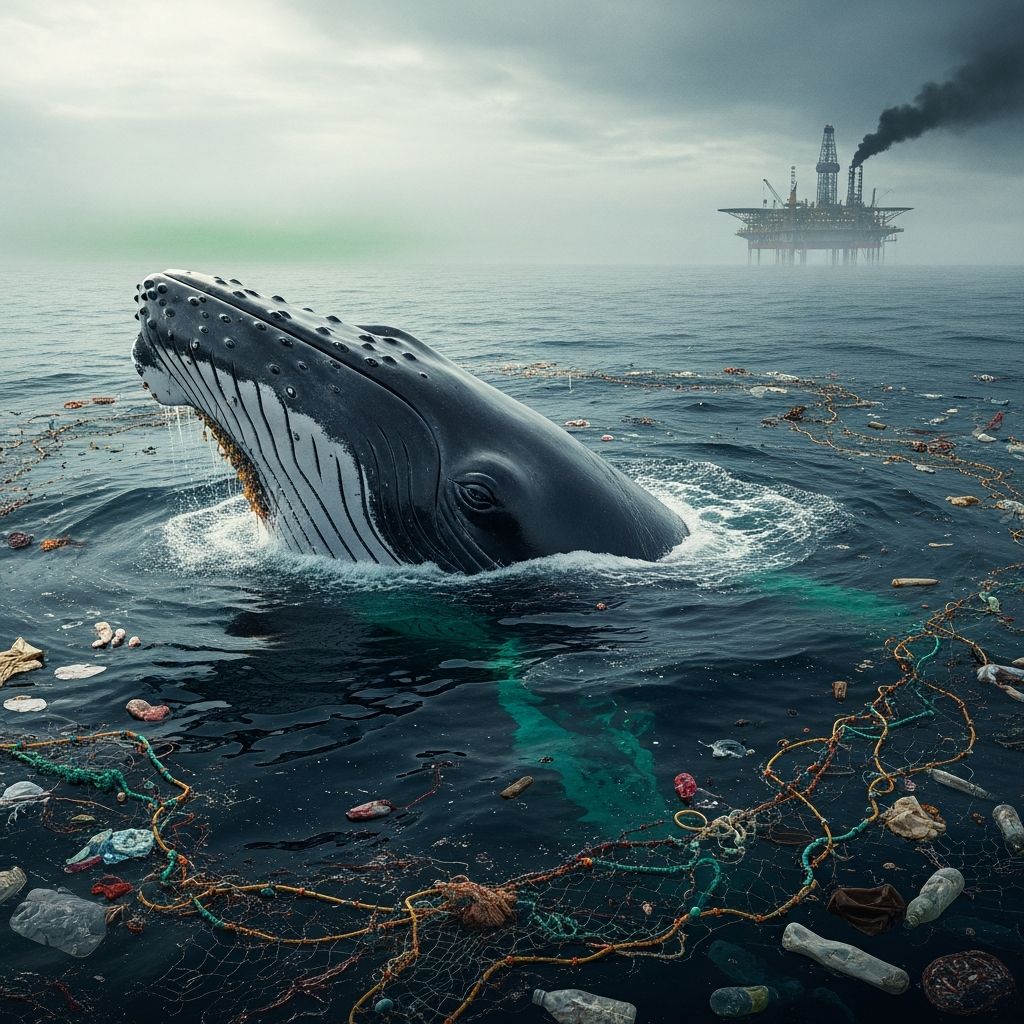
Marine mammals represent some of the ocean’s most remarkable creatures, yet they face significant health challenges from their surrounding environments. Whether in captive settings or their natural habitats, these animals encounter numerous environmental stressors that compromise their well-being. Understanding these threats is essential for both conservation efforts and the care of animals in human care.
The Intersection of Environment and Disease
Environmental factors play a critical role in determining the health outcomes of marine mammals across various species. Water quality parameters, chemical exposure, and physical conditions directly influence susceptibility to disease and illness. The relationship between environmental degradation and marine mammal health has become increasingly apparent as researchers document rising disease patterns in both wild and captive populations. Factors such as pollution, habitat destruction, and climate-related changes create conditions where pathogens flourish and animals become immunocompromised.
Marine mammals occupy a unique ecological niche, feeding high in aquatic food chains where they accumulate toxins and pollutants through biomagnification. This positions them as sentinel species, reflecting broader ocean health issues that may eventually affect other marine ecosystems and human populations.
Vision-Related Complications in Confined Settings
Ocular health represents a frequently overlooked but significant concern for marine mammals living in human care facilities. Eye diseases manifest prominently in captive dolphins and seals, with environmental factors serving as primary contributors to their development and persistence.
The pool environment itself presents numerous ocular challenges. Chemical disinfectants, while necessary for maintaining water sanitation, can create hostile conditions for sensitive eye tissues when used excessively. High concentrations of bacteria in inadequately maintained pools compound these problems, causing chronic irritation and infection. Additionally, lighting conditions within facilities often prove problematic. Intense illumination reflecting off light-colored surfaces and shallow pool bottoms creates glare that damages sensitive ocular structures. The absence of adequate shaded areas compounds visual stress, as marine mammals cannot escape harsh light exposure.
Prevention requires careful attention to pool chemistry, bacterial load management, strategic facility design incorporating shade structures, and judicious use of water treatment chemicals. Monitoring animals for signs of visual discomfort allows early intervention before complications develop.
Gastrointestinal Complications and Stress Response
Ulceration of the gastrointestinal tract represents a serious health threat affecting both captive and free-ranging marine mammals. These ulcers vary in severity depending on their location within the digestive system, with some proving life-threatening while others remain manageable with treatment.
The esophagus and upper stomach regions tolerate ulceration better than lower digestive structures. However, when ulcers develop in the pyloric region or proximal duodenum, they frequently perforate, leading to peritonitis and death in pinnipeds. Cetaceans show somewhat better tolerance, though ulceration remains a serious condition requiring immediate attention. Sea otters and sirenians also experience gastrointestinal ulcer formation, indicating this problem affects diverse marine mammal taxa.
Multiple etiological factors contribute to ulcer development. Parasitic infections, spoiled food containing elevated histamine levels, and direct mechanical damage all play roles. However, in captive animals, environmental and psychological stress emerges as the dominant contributing factor. Dramatic changes in facility conditions, alterations in caretaking personnel, or shifts in companion animal groups can precipitate severe gastrointestinal ulceration. This stress-disease relationship highlights the importance of stable, predictable environments for captive marine mammal welfare.
Petroleum Hydrocarbon Exposure and Acute Injury
Oil spills and petroleum contamination present acute and chronic health hazards for marine mammal populations. Different species show varying vulnerability based on their physiological adaptations. Sea otters face particular susceptibility due to their grooming behaviors and absence of insulating blubber layers, making them prone to severe hypothermia following oiling. Fur seals occupy an intermediate risk category, possessing blubber insulation but remaining vulnerable through grooming behaviors. Young animals of any marine mammal species face elevated risk regardless of age-related protective features.
The health consequences of petroleum exposure are multifaceted. Hepatotoxicity damages liver function, while renal involvement compromises kidney performance. Gastrointestinal, mucosal, and ocular tissues sustain direct injury from contact with hydrocarbons. Perhaps most devastatingly, inhalation of volatile hydrocarbon components causes severe pulmonary damage. This respiratory injury frequently proves fatal in the short term and causes chronic complications in surviving animals.
Baleen whales experience temporary fouling of baleen plates during oil spills, though this condition typically resolves within 24 to 36 hours without intervention. Sirenians present an understudied concern, as petroleum ingestion could trigger dysbiosis given their hindgut fermentation digestive system and prolonged gastrointestinal transit times. Long-term monitoring of affected cetacean populations reveals moderate to severe pulmonary damage persisting for years following major oil spills, alongside chronic adrenal insufficiency and increased perinatal mortality rates.
Response protocols prioritize minimizing human exposure to contaminated materials while managing affected animals appropriately. Specialized training for personnel handling oiled marine mammals is strongly recommended to ensure both worker safety and optimal animal outcomes.
Respiratory Infections in Marine Mammal Populations
Pneumonia stands as one of the most common causes of mortality in marine mammals, affecting both captive facilities and wild populations. Bacterial, fungal, and viral pathogens all contribute to pneumonia development, with most organisms identified in terrestrial species also found in marine mammals.
Captive marine mammals experience pneumonia despite optimal care protocols, suggesting that infection occurs even under careful management conditions. Husbandry errors that compromise respiratory health include inadequate environmental controls, poor air quality, temperature fluctuations, and improper water conditions. However, even when management meets highest standards, pneumonia-associated mortality remains a persistent problem.
The causative agents demonstrate remarkable diversity. Bacterial species associated with aquatic environments prove particularly problematic, along with environmental fungi that exploit immunocompromised animals. Viral pneumonia occurs through multiple transmission pathways, including direct contact, aerosol exposure, and contaminated water sources. Emerging viral pathogens, including influenza viruses and other novel agents, present evolving challenges for marine mammal health management.
Emerging Disease Patterns and Future Concerns
Recent documentation of emerging viral infections in marine mammal populations indicates evolving disease landscapes. Influenza viruses, morbilliviruses, papillomaviruses, herpesviruses, arboviruses, and caliciviruses have been isolated from various marine mammal species. These emerging pathogens may be associated with tumor formation, disease epizootics affecting entire populations, and cross-species transmission to humans.
The pathogenesis of these emerging infections involves complex interactions between infectious agents and multiple noninfectious cofactors. Anthropogenic toxins, biotoxins from harmful algal blooms, immunological suppression, and cumulative environmental stressors all enhance disease susceptibility. This multifactorial disease model explains why some individuals succumb while others resist infection despite exposure to identical pathogens.
Harmful algal bloom-associated toxins particularly impact California sea lion populations, which comprise 85 to 100 percent of reported annual marine mammal illness cases related to harmful algal blooms. Domoic acid, the primary toxin of concern, causes neurological symptoms and stranding events that are tracked through collaborative monitoring systems involving marine rescue centers and federal agencies.
Zoonotic Disease Transmission Considerations
Marine mammal professionals face occupational health risks from disease transmission. Researchers, rehabilitators, trainers, veterinarians, and subsistence hunters experience elevated illness risk through extended contact with marine mammals. The most common zoonotic infections cause localized, self-limiting skin infections, though life-threatening systemic diseases have been documented. The condition colloquially known as “seal finger,” affecting more than 10 percent of occupationally exposed individuals, results from various bacterial and viral species transferred through direct contact.
Multiple bacterial pathogens establish zoonotic transmission pathways, including Mycobacterium species that generate chronic cutaneous lesions or internal infections. Brucella species infect diverse marine mammals, including pinnipeds and cetaceans, and can transmit to human handlers. Erysipelothrix rhusiopathiae, ubiquitous in marine environments, infects numerous species and persists in watersheds for extended periods.
Recognition of zoonotic disease risk drives recommendations for appropriate personal protective equipment, proper handling protocols, and medical evaluation following potential exposure incidents. Educational programs targeting marine mammal workers reduce infection rates through behavior modification and awareness enhancement.
Management Strategies and Prevention
Addressing environmental diseases in marine mammals requires multifaceted approaches tailored to specific conditions:
- Water Quality Management: Maintaining appropriate chemical balances, bacterial control, and pH parameters in both indoor and outdoor pools prevents ocular and respiratory complications
- Environmental Design: Incorporating adequate shading, appropriate lighting, proper water circulation, and temperature control systems supports animal wellness
- Nutritional Oversight: Sourcing quality food items, proper storage to prevent spoilage, and monitoring for parasites reduces gastrointestinal complications
- Stress Minimization: Maintaining stable personnel assignments, predictable routines, and appropriate social groupings prevents stress-related ulceration
- Pollution Prevention: Supporting oil spill response protocols and pollution reduction efforts protects wild populations from acute hydrocarbon exposure
- Disease Surveillance: Monitoring population health indicators, tracking emerging pathogens, and documenting disease patterns enables early intervention and prevention efforts
Frequently Asked Questions
What environmental factors most commonly cause disease in captive marine mammals?
Water chemistry imbalances, excessive disinfectant use, high bacterial loads, inadequate lighting control, and psychological stress from environmental changes represent primary causative factors. Each factor can independently or synergistically trigger disease development.
How do oil spills affect marine mammals differently based on species?
Sea otters face greatest vulnerability due to grooming behaviors and lack of blubber, while fur seals have intermediate risk with blubber protection but similar grooming exposure. Young animals of any species are highly susceptible. Cetaceans experience respiratory complications, while sirenians could theoretically develop dysbiosis through ingestion.
Can gastrointestinal ulcers be prevented in captive marine mammals?
Prevention focuses on stress reduction through environmental stability, personnel consistency, appropriate social groupings, quality nutrition without spoiled food items, and parasite control. Addressing stress-related factors proves most effective.
What safety precautions should marine mammal handlers follow?
Handlers should use appropriate personal protective equipment, follow proper handling protocols, receive training on zoonotic disease risk, and seek medical evaluation following potential exposure incidents. These measures reduce infection transmission rates significantly.
How are emerging marine mammal diseases monitored?
Federal agencies, marine rescue centers, and research institutions collaborate through disease tracking systems that document illness cases, environmental conditions, and pathogen identification. This surveillance enables early detection of emerging threats and facilitates rapid response.
References
- Marine Mammal Health and Strandings — Marine Mammal Commission. Accessed February 2026. https://www.mmc.gov/priority-topics/marine-mammal-health-and-strandings/
- Marine Mammal Zoonoses: A Review of Disease Manifestations — National Center for Biotechnology Information (NCBI). PMC7477081. https://pmc.ncbi.nlm.nih.gov/articles/PMC7477081/
- Environmental Diseases of Marine Mammals — Merck Veterinary Manual. https://www.merckvetmanual.com/exotic-and-laboratory-animals/marine-mammals/environmental-diseases-of-marine-mammals
- Emerging Viruses in Marine Mammals — Marine Mammal Center. https://www.marinemammalcenter.org/publications/emerging-viruses-in-marine-mammals
- Marine Harmful Algal Bloom (HAB)-Related Illness Tracking — Office of Environmental Health Hazard Assessment (OEHHA). https://oehha.ca.gov/habs/marine-harmful-algal-bloom-hab-related-illness-tracking
- Marine Life in Distress: Science — NOAA Fisheries. https://www.fisheries.noaa.gov/topic/marine-life-distress/science
Similar Articles








Read full bio of medha deb


