
Marine Mammal Care Essentials: Expert Guide To Best Practices
Expert strategies for housing, handling, and conserving marine mammals in captivity and the wild.
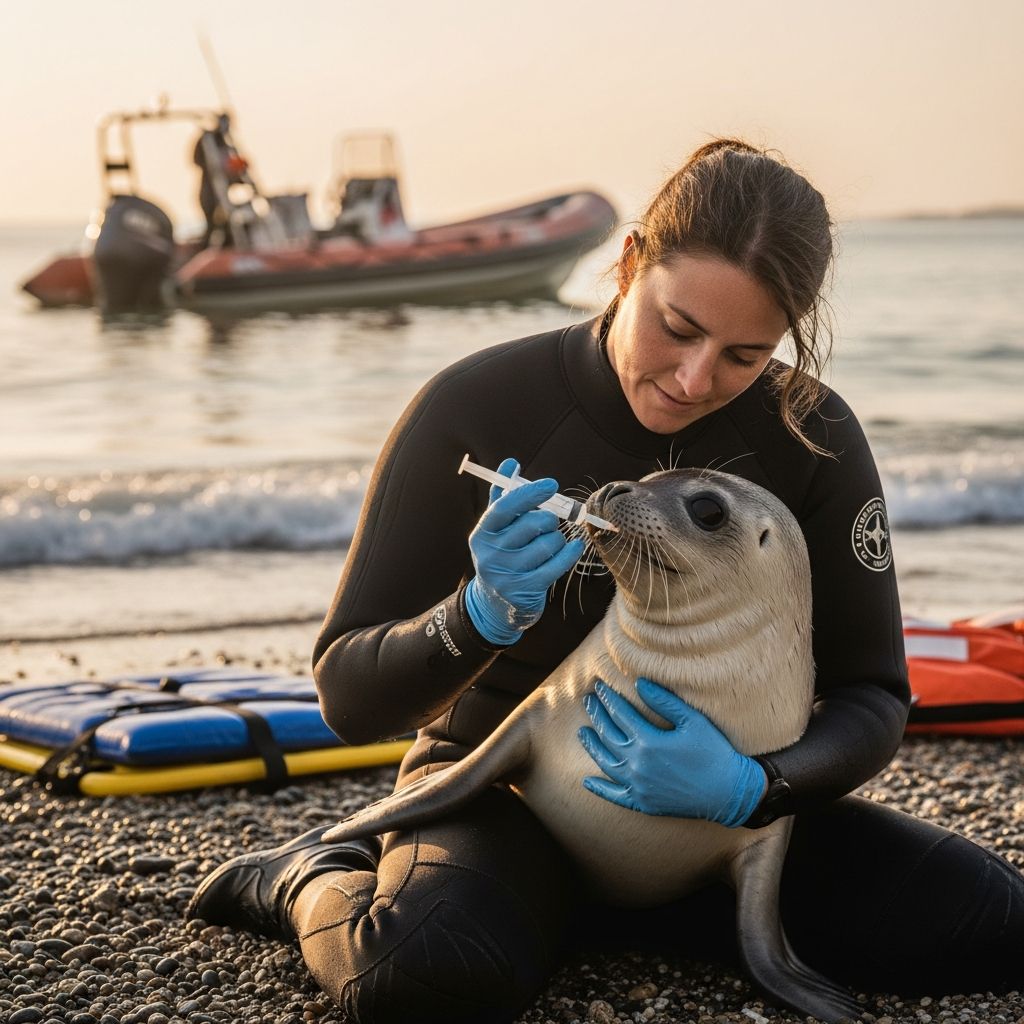
Effective management of marine mammals requires replicating their natural habitats while adhering to strict welfare and legal standards. This involves creating suitable living environments, employing safe handling methods, providing balanced nutrition, and implementing robust health programs to support their physical and behavioral needs.
Designing Optimal Living Environments
To promote health in captive marine mammals, enclosures must mimic ocean conditions closely. Water quality is paramount, with standards mandating coliform counts below 1,000 MPN per 100 mL, though best practices aim for far lower levels to prevent infections. Systems should incorporate filtration, UV sterilization, and ozone treatment for crystal-clear water.
- Pool Dimensions: Cetaceans like dolphins need pools at least 2.4 meters deep and spanning multiple body lengths to allow natural swimming patterns.
- Water Flow: Continuous circulation simulating tidal movements reduces stagnation and encourages exercise.
- Substrate Choices: Sandy or gravel bottoms for pinnipeds support natural foraging behaviors.
For pinnipeds and mustelids such as sea otters, haul-out areas with sloped beaches enable resting out of water. Polar bears demand expansive, climate-controlled spaces with ice features and deep pools. Sea pens in coastal facilities offer semi-natural exposure to tides and sunlight, bridging captivity and rehabilitation.
Safe Handling and Restraint Methods
Restraint techniques prioritize minimal stress and injury. Behavioral training, where animals voluntarily present for exams, is preferred, fostering trust through positive reinforcement with familiar keepers present.
| Species Group | Primary Methods | Key Considerations |
|---|---|---|
| Cetaceans (Dolphins, Whales) | Behavioral training, water drainage, nets | Use foam pads during drainage; experienced teams for netting to avoid drowning |
| Pinnipeds (Seals, Sea Lions) | Squeeze cages, hoop nets, stretchers | Padded surfaces; partial submersion for prolonged holds |
| Mustelids (Sea Otters) | Hoop nets, restraint bags, squeeze boxes | Quick transfer from water; avoid prolonged dry exposure |
| Ursids (Polar Bears) | Protected contact, squeeze cages | No manual handling; training combined with barriers |
Mechanical options include custom stretchers that keep animals partially submerged. Chemical sedation, using agents like midazolam or propofol, is reserved for emergencies, administered via pole syringe or dart for precise dosing. Post-restraint monitoring ensures recovery without complications.
Nutrition and Feeding Strategies
Diets must match wild nutritional profiles, varying by species. Cetaceans thrive on capelin, herring, or squid, fed multiple times daily to mimic foraging. Whole fish preserve natural oils and vitamins, supplemented with vitamins if needed.
- Pinnipeds: Fish like mackerel combined with vitamins for otariids; squid for phocids.
- Sea Otters: Live crabs, urchins, and clams to engage hunting instincts.
- Polar Bears: Seals, fish, and land meat with bones for dental health.
Feeding programs incorporate training sessions, environmental enrichment like scattered food, and monitoring for obesity or malnutrition via body condition scoring. Freshness is critical—thawing protocols prevent bacterial growth.
Health Monitoring and Veterinary Protocols
Regular assessments detect issues early. Bloodwork, fecal analysis, and ultrasounds track hematology, parasitism, and reproduction. Dermatology exams address skin conditions from poor water quality.
Unusual mortality events trigger coordinated responses, including necropsies and tissue banking for disease surveillance. Vaccination schedules target core pathogens, while quarantine for new arrivals prevents outbreaks.
Common Health Challenges
- Integumentary Issues: Blubber emphysema from gas bubbles; treated with antibiotics and improved filtration.
- Respiratory: Pneumonia in pinnipeds; nebulization and supportive care.
- Reproductive: Dystocia managed surgically if behavioral aids fail.
Biomonitoring programs collect data on contaminants and pathogens, contributing to population health insights.
Regulatory Frameworks and Conservation Integration
The Marine Mammal Protection Act (MMPA) governs U.S. practices, prohibiting takes except under permits and mandating ecosystem-based management. NOAA Fisheries oversees cetaceans and pinnipeds, while USFWS handles sirenians and ursids.
Captive facilities comply with Animal Welfare Act standards via APHIS inspections. Internationally, take reduction plans mitigate bycatch—the leading human-induced mortality—through gear modifications and fisher training.
The MMPA promotes sustainable populations while prioritizing ecosystem health, influencing global standards.
Rehabilitation and Release Programs
Stranded animals enter networks for rescue, stabilization, and assessment. Criteria for release include weight gain, predatory behavior, and absence of human imprinting. Soft releases with monitoring ensure survival post-release.
Facilities like those coordinated by NOAA maintain tissue archives for research on threats like harmful algal blooms.
Enrichment and Behavioral Wellness
Psychological health demands variety: toys, puzzles, and social groupings replicate pods or colonies. Bubble streams, mirrored surfaces, and novel foods stimulate curiosity. Tracking stereotypies like repetitive swimming flags inadequate setups.
FAQs
What water quality standards apply to captive marine mammals?
Coliform levels must stay under 1,000 MPN/100 mL per MMPA, with routine maintenance far below.
How do you safely restrain a large cetacean?
Drain pools gradually over foam pads or use trained behaviors; nets only by experts.
What agencies regulate marine mammals in the U.S.?
NOAA Fisheries for most, USFWS for others, with MMC oversight.
Why is bycatch a major threat?
It’s the top human-caused mortality; plans use gear tech and regulations to reduce it.
Can rehabilitated marine mammals be released?
Yes, if they meet health and behavioral criteria via stranding networks.
Future Directions in Marine Mammal Management
Advances include AI-monitored behaviors, non-invasive health tech, and climate-adaptive enclosures. Collaborative toolkits aid global protected areas in integrating mammals into conservation. Bycatch assessments prioritize high-risk fisheries with data-driven mitigations.
Sustainable practices ensure thriving populations, balancing captivity needs with wild conservation imperatives.
References
- Marine Mammal Protection: Conservation & Management — NOAA Fisheries. 2023. https://www.fisheries.noaa.gov/topic/marine-mammal-protection/conservation-and-management
- Marine Mammal Protection Act — Marine Mammal Commission. 2023. https://www.mmc.gov/about-the-commission/our-mission/marine-mammal-protection-act/
- The Marine Mammal Management Toolkit — United Nations SDGs Partnerships. 2023. https://sdgs.un.org/partnerships/marine-mammal-management-toolkit-tool-mpa-managers-and-policy-makers
- Management of Marine Mammals — Merck Veterinary Manual. 2023. https://www.merckvetmanual.com/exotic-and-laboratory-animals/marine-mammals/management-of-marine-mammals
- Summary of Best Practices for Assessing and Managing Marine Mammal Bycatch — Lenfest Ocean Program. 2023. https://www.lenfestocean.org/en/news-and-publications/fact-sheet/summary-of-best-practices-for-assessing-and-managing-marine-mammal-bycatch
Similar Articles








Read full bio of medha deb


